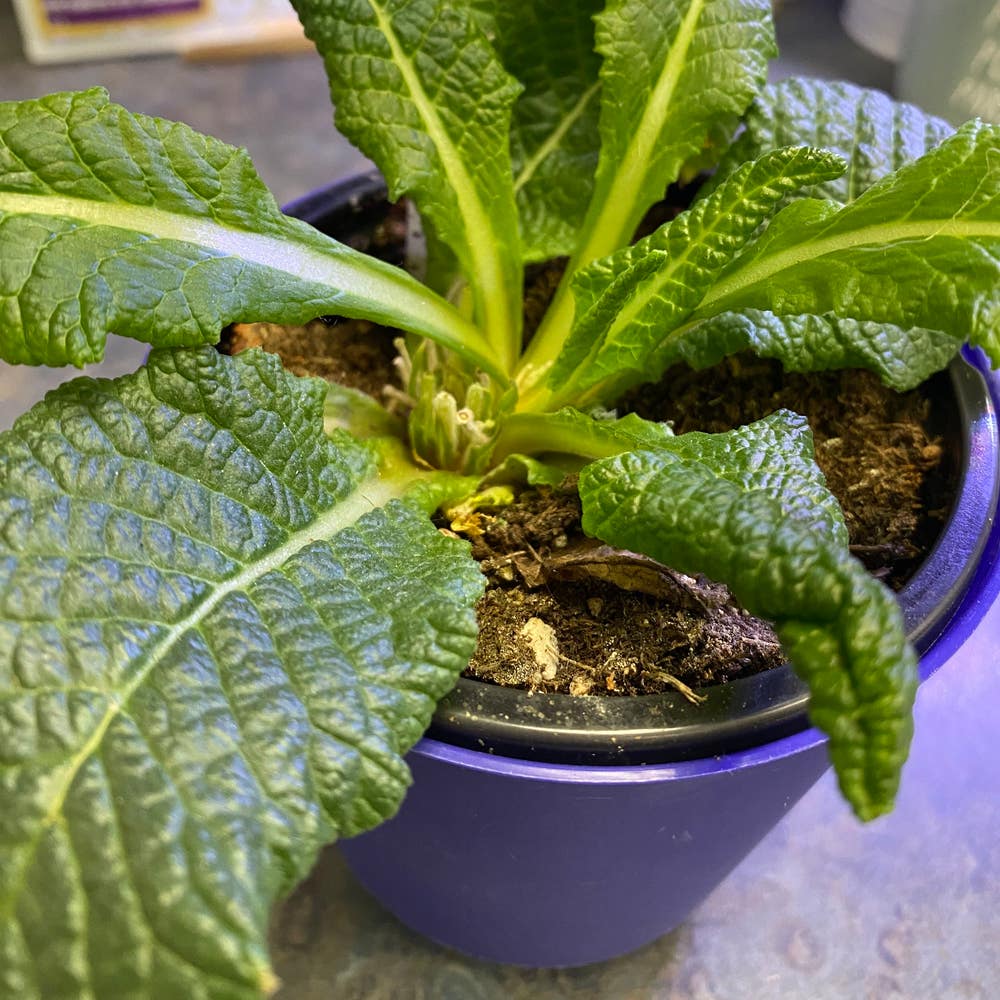
🌸 5 Tips for Selecting the Best Pot for Double Primrose
Primula vulgaris 'Double'
By the Greg Editorial Team
Oct 15, 2024•5 min read
This article was created with the help of AI so we can cover more plants for you. May contain errors. See one? Report it here.
Maximize your double primrose's growth 🌱 by choosing the right pot sizes and materials for every stage!
- 🌱 Choose 4-6 inch pots for seedlings; 8-12 inches for mature double primrose.
- 🚫 Signs of needing a larger pot: visible roots, stunted growth, yellowing leaves.
- 💧 Proper drainage is essential to prevent root rot and ensure healthy growth.
Pot Sizes for Different Growth Stages
🌱 Recommended sizes for seedlings
For seedlings, the ideal pot size is between 4 to 6 inches in diameter. Shallow pots are crucial here, as they accommodate the shallow root system of young plants.
Starting small is essential to avoid overwatering, which can lead to root rot. This approach promotes healthy root development, setting the stage for robust growth.
🌼 Recommended sizes for mature plants
As your double primrose matures, you'll want to transition to pots that are 8 to 12 inches in diameter. Ensure these pots are at least 6 to 8 inches deep to allow for proper root expansion.
Transitioning to larger pots is vital to prevent root crowding, which can stunt growth and affect plant health. A spacious environment encourages thriving plants.
📏 Signs that indicate a need for a larger pot
Watch for signs that your plant needs a larger pot. If you see roots visible through the drainage holes, it’s time to upgrade.
Other indicators include stunted growth or yellowing leaves, which signal that the plant is struggling. Additionally, if the soil dries out too quickly or remains soggy, it may be time for a new home.
Recognizing these signs early can help ensure your double primrose continues to flourish. Now that you understand pot sizes, let’s explore the ideal materials for your pots.
Ideal Pot Materials
🌱 Benefits of clay pots
Clay pots are a gardener's best friend when it comes to breathability. They allow for better air circulation to the roots, which is crucial for healthy growth.
Additionally, clay pots excel in moisture regulation. They absorb excess moisture, significantly reducing the risk of overwatering—something every plant parent fears.
🪴 Advantages of plastic pots
On the other hand, plastic pots offer a lightweight alternative. They are easier to move and handle, making them perfect for those who like to rearrange their plants frequently.
Cost-effectiveness is another major perk. Generally, plastic pots are less expensive than clay options, allowing you to expand your collection without breaking the bank.
🏺 Comparison of other materials
Ceramic pots are undeniably attractive, adding a touch of elegance to any space. However, they tend to be heavier and may retain too much moisture, which can be a concern for some plants.
Biodegradable pots present an eco-friendly option, especially for seedlings. While they are great for the environment, keep in mind that they may not last long-term, so consider your planting strategy carefully.
In summary, choosing the right pot material can significantly impact your double primrose's health and growth. Understanding the pros and cons of each option will help you make an informed decision that aligns with your gardening goals.
Next, let’s dive into the crucial topic of drainage considerations to ensure your plants thrive.
Drainage Considerations
Importance of drainage holes 🌊
Proper drainage holes are crucial for your double primrose's health. They prevent waterlogging, which can suffocate roots and lead to rot.
Promoting healthy root growth 🌱
Good drainage promotes robust root growth. When roots can breathe, they thrive, reducing the risk of root rot.
Ensuring proper drainage 🚰
To ensure your pot drains well, choose one with multiple drainage holes. This allows excess water to escape, keeping the soil at an optimal moisture level.
Adding a drainage layer 🪨
Consider adding a layer of gravel or perlite at the bottom of the pot. This enhances drainage and prevents soil from clogging the holes.
Common drainage issues ⚠️
Overwatering is a common issue that can manifest as yellowing leaves or wilting. If you notice these signs, it’s time to reassess your watering habits.
Solutions for drainage problems 🔧
Adjust your watering schedule to avoid over-saturation. Ensure your pot has adequate drainage to keep your double primrose thriving.
With these drainage considerations in mind, you'll set your plants up for success. Next, let’s explore when and how to repot your double primrose for optimal growth.
Repotting
When to repot 🌱
Timing is crucial when it comes to repotting your double primrose. Aim for early spring or fall, as these are the active growth periods for the plant.
Look for signs that indicate it's time to repot. If you notice roots outgrowing the pot or signs of soil depletion, it’s time for a change.
Steps for choosing the right pot during repotting 🪴
- Assess current pot size: Check if your plant has outgrown its current home.
- Select appropriate material: Choose a pot that suits your climate and moisture needs.
- Ensure drainage: Make sure the new pot has adequate drainage holes to prevent waterlogging.
Tips for successful repotting 🌼
Gently loosen the root ball when removing the plant from its old pot. This minimizes disturbance and helps maintain healthy roots.
Use fresh potting mix to provide essential nutrients and improve drainage. This step is vital for your plant's ongoing health.
Finally, water thoroughly after repotting. This helps settle the soil and reduces transplant shock, ensuring your double primrose thrives in its new environment.
By following these steps, you can ensure your double primrose continues to flourish, setting the stage for its next growth phase.
⚠️ Safety First
This content is for general information and may contain errors, omissions, or outdated details. It is not medical, veterinary advice, or an endorsement of therapeutic claims.
Always consult a qualified healthcare professional before using any plant as food, medicine, or supplement.
Never eat any plant (or feed one to pets) without confirming its identity with at least two trusted sources.
If you suspect poisoning, call Poison Control (800) 222-1222, the Pet Poison Helpline (800) 213-6680, or your local emergency service immediately.
Spotted an error? Please report it here.
Choose the perfect pot for your double primrose 🌼 with Greg's tailored reminders and expert tips to keep your plants thriving and happy!