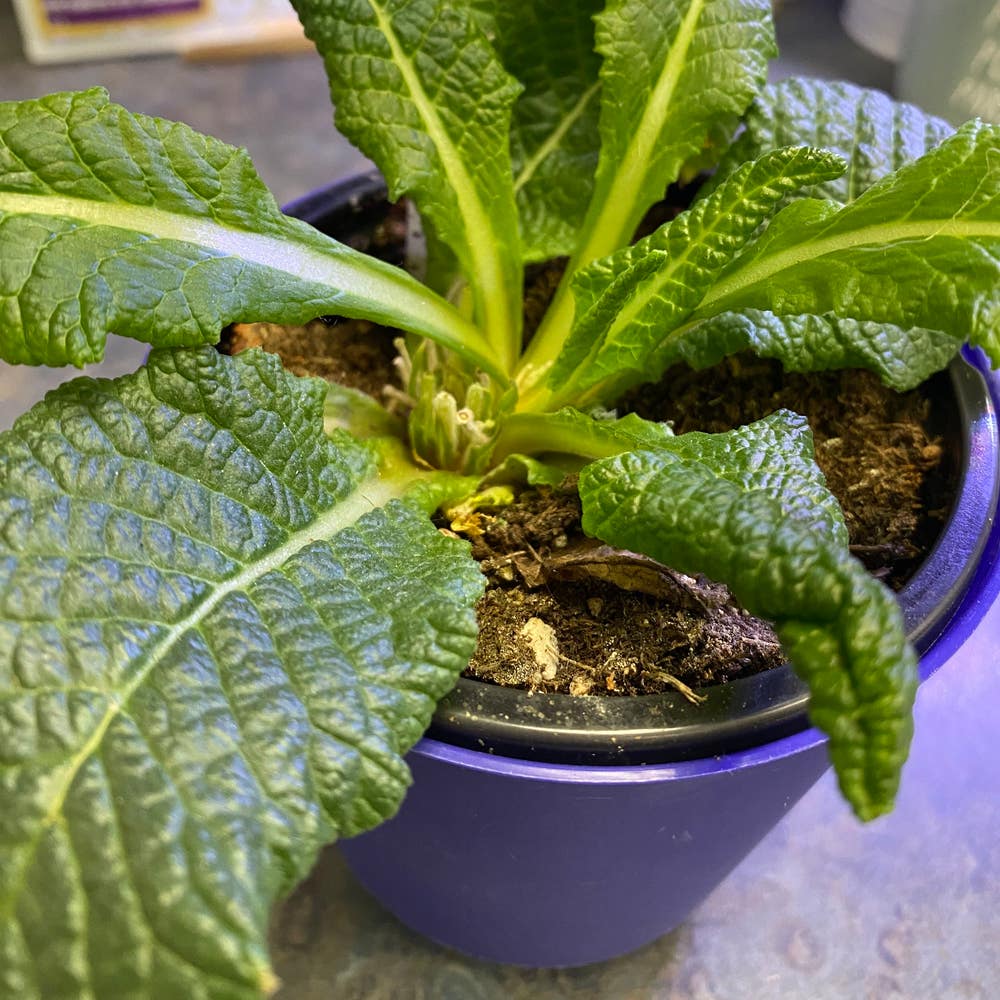
🌼 How to Propagate Your Double Primrose
Primula vulgaris 'Double'
By the Greg Editorial Team
Oct 15, 2024•5 min read
This article was created with the help of AI so we can cover more plants for you. May contain errors. See one? Report it here.
Master double primrose propagation 🌼 to effortlessly cultivate a lush, vibrant garden that flourishes with beauty!
- 🌱 Collect seeds after flowering for optimal quality; sow in well-draining mix.
- 🌡️ Maintain 15-20°C for germination; transplant seedlings with 2-3 true leaves.
- ✂️ Take cuttings in spring/summer; use rooting hormones and maintain high humidity.
Propagation by Seeds
Collecting Seeds 🌱
The best time to collect seeds from your double primrose is after flowering, when the seed pods are dry. Gently shake or cut the pods to release the seeds, and store them in a cool, dry place until you're ready to sow.
Seed Preparation and Sowing 🌾
For successful seed propagation, use a well-draining seed starting mix. Scatter the seeds on the surface and lightly press them into the soil, ensuring there's enough space for air circulation.
Germination Conditions 🌡️
Aim for an ideal temperature range of 15°C to 20°C (59°F to 68°F) for germination. Provide indirect light to prevent drying out, and keep the soil consistently moist but not waterlogged.
Transplanting Seedlings 🌼
Transplant your seedlings once they have developed 2-3 true leaves. Space them 6-12 inches apart in the nursery or garden, and gradually acclimate them to outdoor conditions over 7-10 days to ensure a smooth transition.
With these steps, you're well on your way to successfully propagating your double primrose by seeds. Next, let’s explore how to propagate this beautiful plant through cuttings.
Propagation by Cuttings
🌱 Selecting Healthy Cuttings
The best time to take cuttings is in early spring or late summer when your double primrose is actively growing. Aim for cuttings that are 3-4 inches long, selecting healthy stems without flowers to boost your chances of successful rooting.
✂️ Preparing Cuttings for Propagation
To prepare your cuttings, start by removing the lower leaves. This helps reduce moisture loss and focuses the plant's energy on root development.
Make a clean cut at a 45-degree angle. This increases the surface area for rooting, giving your cuttings a better shot at thriving.
🌿 Rooting Hormones and Their Use
Rooting hormones come in powder or gel forms, readily available at garden centers. Dip the cut end of your cutting into the hormone before planting to enhance root development.
Using rooting hormones can significantly increase your success rates, making it a worthwhile step in the propagation process.
💧 Care for Cuttings During Rooting
Creating the right environment is crucial for your cuttings. Maintain high humidity by covering them with a plastic bag or humidity dome to keep them from drying out.
Water the cuttings regularly, ensuring the soil remains moist but not soggy. Providing indirect light will also help prevent stress on the cuttings, allowing them to establish roots effectively.
As you navigate the propagation process, remember that patience is key. With the right care, your cuttings will soon flourish, leading you into the next exciting phase of nurturing your double primrose.
Propagation by Division
🕰️ When to Divide
The best time to divide your double primrose is in early spring or fall. Look for signs like crowded growth or reduced flowering, which indicate that it's time for a division.
🛠️ Tools Needed for Division
To get started, you'll need a few essential tools: a sharp spade, a garden fork, and clean pruning shears. Don’t forget to wear gloves to protect your hands from soil and plant irritants.
📋 Step-by-Step Division Process
- Water the plant thoroughly a day before division to ease the process.
- Carefully dig around the plant to lift it from the ground without damaging the roots.
- Gently separate the root ball into sections, ensuring each section has both roots and leaves.
- Replant the divisions immediately in well-draining soil to give them the best chance of thriving.
🌱 Post-Division Care
After replanting, water the divisions thoroughly to settle the soil around the roots.
Apply a light layer of mulch to help retain moisture and keep the soil temperature stable.
Finally, monitor the plants for signs of stress or wilting in the weeks following division to ensure they’re adjusting well.
With these steps, you’ll set your double primrose up for a successful growth journey. Next, let’s explore some common challenges you might face during propagation.
Common Challenges in Propagation
🐛 Pests and Diseases
Propagation can be thwarted by pests like aphids and slugs. Look for signs such as distorted leaves or holes, which indicate an infestation.
Root rot is another common issue, often caused by overwatering. Symptoms include yellowing leaves and wilting, signaling that your plant may be struggling.
To combat these problems, regular inspection is key. Maintaining proper watering practices can help prevent both pests and diseases from taking hold.
🌡️ Environmental Factors Affecting Propagation
Temperature fluctuations can disrupt the delicate process of germination and rooting. Aim for stable temperatures to give your plants the best chance to thrive.
Humidity levels also play a crucial role, especially for cuttings. Keeping adequate humidity prevents them from drying out and ensures successful rooting.
🛠️ Troubleshooting Poor Germination or Rooting
If you're facing poor germination, start by checking seed viability. Ensure you're sowing at the correct depth to maximize your chances of success.
For rooting issues, assess moisture levels and light exposure. Adjust these factors as needed to create an optimal environment for your cuttings to take root.
By addressing these challenges proactively, you can enhance your propagation success and enjoy a flourishing garden. Next, let’s explore best practices for successful propagation.
Best Practices for Successful Propagation
Timing for Each Method 🌱
Timing is crucial for successful propagation.
- Seeds: The best time to sow seeds is late winter to early spring.
- Cuttings: Take cuttings in early spring or late summer for optimal growth.
- Division: Conduct division in early spring or fall when the plant is less active.
Ideal Soil and Water Conditions 💧
Soil and water conditions play a significant role in plant health.
- Soil Type: Use well-draining soil rich in organic matter to support growth.
- Watering Frequency: Keep the soil consistently moist, but avoid waterlogging to prevent root rot.
Light Requirements for Propagation ☀️
Light is essential for the growth of seedlings and cuttings.
- Seedlings: They thrive in bright, indirect light for optimal growth.
- Cuttings: Provide shaded conditions until roots develop to reduce stress.
By following these best practices, you can enhance your propagation success and enjoy a flourishing garden. Next, let’s explore common challenges you might face during propagation and how to overcome them.
⚠️ Safety First
This content is for general information and may contain errors, omissions, or outdated details. It is not medical, veterinary advice, or an endorsement of therapeutic claims.
Always consult a qualified healthcare professional before using any plant as food, medicine, or supplement.
Never eat any plant (or feed one to pets) without confirming its identity with at least two trusted sources.
If you suspect poisoning, call Poison Control (800) 222-1222, the Pet Poison Helpline (800) 213-6680, or your local emergency service immediately.
Spotted an error? Please report it here.
Propagating your double primrose is easier than ever 🌼 with Greg's tailored reminders and expert tips to help your seeds and cuttings flourish from start to finish!