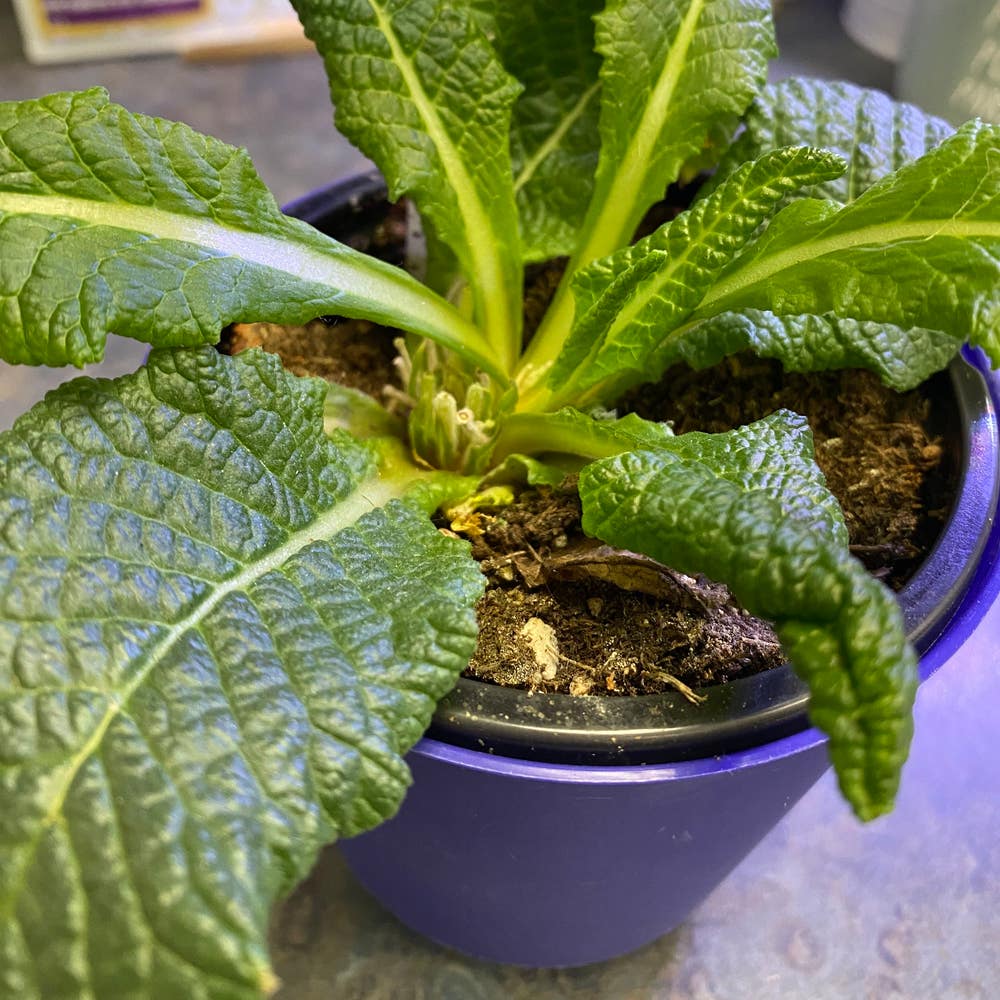
🌸 Why Your Double Primrose Buds Won't Open
Primula vulgaris 'Double'
By the Greg Editorial Team
Oct 15, 2024•3 min read
This article was created with the help of AI so we can cover more plants for you. May contain errors. See one? Report it here.
Revive your double primrose blooms 🌼 by mastering essential care tips to overcome common flowering challenges!
- 🌡️💧 Environmental stress like temperature and humidity affects double primrose bud opening.
- 🌱 Nutrient deficiencies in nitrogen, phosphorus, and potassium hinder growth and blooming.
- 🌞 Inadequate light prevents bud formation; double primroses thrive in partial to full shade.
Flowering Problems in Double Primrose
🌡️ Reasons for Buds Not Opening
Environmental Stress
Temperature fluctuations and humidity levels can significantly stress double primrose plants. Signs of stress include wilting leaves and discoloration, indicating that your plant needs immediate attention.
To combat environmental stress, stabilize the growing conditions. Ensure consistent moisture and maintain a stable temperature to help your double primrose thrive.
Nutrient Deficiencies
Key nutrients like nitrogen, phosphorus, and potassium are essential for flowering. If your plant exhibits stunted growth or yellowing leaves, it may be suffering from nutrient deficiencies.
Applying a balanced fertilizer can help restore nutrient levels. Additionally, consider soil testing to identify specific deficiencies and tailor your fertilization approach.
Light Requirements
Double primroses thrive in partial to full shade. Inadequate light can lead to poor bud formation and delayed blooming, leaving you frustrated.
Adjusting the plant's location or using grow lights indoors can significantly improve flowering conditions. Ensuring your double primrose receives the right amount of light is crucial for its blooming success.
🌪️ Common Causes of Premature Flower Drop
Environmental Factors
Temperature extremes, such as frost damage or excessive heat, can cause premature flower drop. Low humidity levels may also lead to desiccation, further stressing the plant.
To protect your double primrose, use protective coverings during cold snaps and mist the plants in dry conditions. These simple measures can help maintain a healthy environment.
Pest Issues
Common pests like aphids and spider mites can wreak havoc on your double primrose buds. Look for signs of infestation, such as sticky residue or webbing on leaves.
Using insecticidal soap or introducing beneficial insects can effectively manage pest problems. Keeping a close eye on your plants will help you catch infestations early.
Disease Prevention
Diseases like root rot and powdery mildew can severely impact your double primrose. Symptoms include wilting and white powdery spots on leaves, signaling that something is amiss.
Ensure your soil drains well and apply fungicides as needed to prevent disease. Healthy practices can keep your plants flourishing.
🌼 Abnormal Flower Development Issues
Genetic Factors
Variability in flowering traits exists among different cultivars, such as English Primrose versus Cowslip. Hybridization can also impact flower quality, leading to unexpected results.
Selecting disease-resistant varieties and understanding the traits of your chosen cultivar can help you achieve better flowering outcomes. Knowledge is power when it comes to plant care.
Improper Watering Practices
Overwatering and underwatering can both lead to flower development issues. Signs include buds failing to open or flowers drooping, indicating that your watering practices need adjustment.
Establishing a consistent watering schedule and using moisture meters can help you maintain optimal soil moisture levels. Your double primrose will thank you for it!
✂️ Pruning Techniques to Encourage Blooming
Best Practices for Pruning
Effective pruning techniques include deadheading spent flowers and cutting back foliage. Timing is crucial; aim to prune after the blooming period for the best results.
Ensure you have sharp pruning shears and disinfect them before use. Proper tools make all the difference in maintaining plant health.
🌱 Seasonal Considerations Affecting Flowering
How Seasonal Changes Affect Bloom Cycle
Understanding bloom cycles is essential for successful flowering. Early spring varieties may bloom differently than late spring ones, influenced by temperature and light.
Adjusting care practices based on seasonal changes can enhance your double primrose's blooming potential. Stay attuned to the seasons for optimal results.
Preparing Double Primrose for Different Seasons
Winter preparation involves mulching and protecting your plants from frost. In spring, focus on fertilization and watering adjustments to support new growth.
During summer, monitor for pests and diseases while ensuring adequate moisture. Each season brings unique challenges and opportunities for your double primrose.
⚠️ Safety First
This content is for general information and may contain errors, omissions, or outdated details. It is not medical, veterinary advice, or an endorsement of therapeutic claims.
Always consult a qualified healthcare professional before using any plant as food, medicine, or supplement.
Never eat any plant (or feed one to pets) without confirming its identity with at least two trusted sources.
If you suspect poisoning, call Poison Control (800) 222-1222, the Pet Poison Helpline (800) 213-6680, or your local emergency service immediately.
Spotted an error? Please report it here.
Unlock the secret to blooming double primroses 🌼 with Greg's tailored care reminders and tips, ensuring your plants thrive in the perfect environment for stunning flowers!