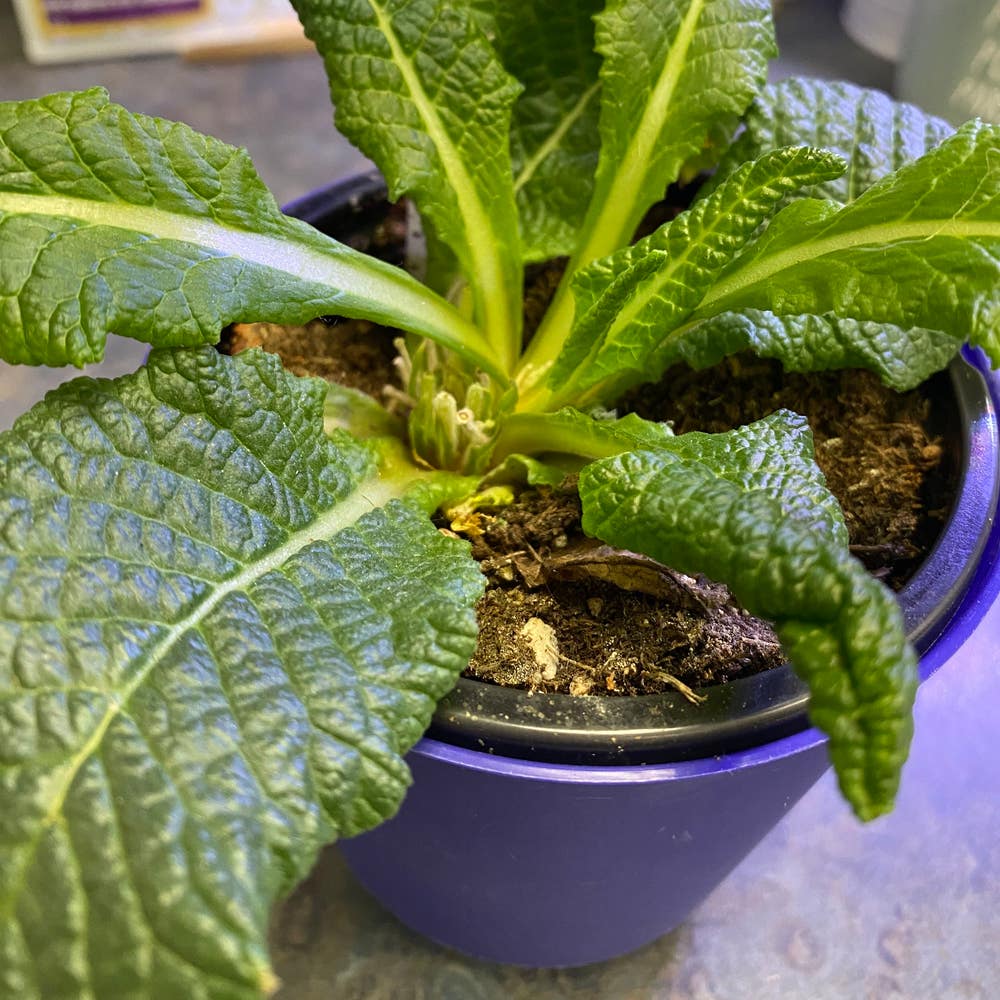
What to Do About Your Double Primrose Wilting 💧
Primula vulgaris 'Double'
By the Greg Editorial Team
Oct 15, 2024•6 min read
This article was created with the help of AI so we can cover more plants for you. May contain errors. See one? Report it here.
Transform your wilting Double Primrose into a thriving beauty 🌼 with these essential care tips and tricks!
- 💧 Wilting in Double Primrose often signals water stress; check soil moisture regularly.
- 🌞 Heat stress can cause wilting; relocate to shade during peak temperatures.
- 🐛 Inspect for pests; they can worsen wilting and damage your plant.
Common Causes of Wilting Leaves
💧 Water Stress
Wilting leaves can often signal water stress in your Double Primrose. Look for drooping leaves and dry soil as key symptoms.
Inconsistent watering and poor drainage are common culprits. When plants don’t receive a steady supply of moisture, they can suffer from stunted growth and reduced flowering.
🌡️ Heat Stress
Heat stress is another major factor that can lead to wilting. You might notice your Double Primrose wilting during hot days or developing scorched leaf edges.
This stress usually arises from exposure to direct sunlight and high temperatures. The consequences? Increased vulnerability to pests and diseases, which can further complicate care.
🦠 Disease-Related Wilting
While wilting can sometimes indicate disease, it’s less likely to be caused by pathogens. Symptoms like yellowing leaves and wilting despite adequate watering can be misleading.
In most cases, if you’re providing proper care, disease-related wilting is not the primary concern. Instead, focus on environmental factors and watering practices to diagnose the issue effectively.
Understanding these common causes is crucial for effective plant care. With this knowledge, you can better assess your Double Primrose's needs and take appropriate action.
Diagnosing Wilting in Double Primrose
🕵️♂️ Step-by-Step Guide to Diagnose Wilting
Diagnosing wilting in your Double Primrose starts with assessing soil moisture. Check if the soil is dry or soggy; this will give you a clear indication of whether your plant is suffering from water stress.
Next, observe the environmental conditions. Take note of the temperature, sunlight exposure, and humidity levels around your plant, as these factors can significantly impact its health.
🍃 Inspecting Leaves for Issues
Now, it’s time to inspect the leaves. Look for any discoloration, spots, or signs of pests that could be contributing to the wilting.
Finally, evaluate your watering schedule. Consider how consistent and adequate your watering has been, as irregular watering can lead to stress for your plant.
By following these steps, you can pinpoint the cause of wilting and take the necessary actions to revive your Double Primrose. This methodical approach sets the stage for effective solutions, ensuring your plant thrives once again.
Solutions for Wilting
💧 Actionable Advice for Water Stress
To combat water stress, start by adjusting your watering schedule. Water your Double Primrose when the top inch of soil feels dry, ensuring you provide enough water until it drains out of the bottom.
Improving soil drainage is also crucial. Use a well-draining potting mix, and if you notice persistent issues, consider repotting your plant to enhance drainage.
🌡️ Actionable Advice for Heat Stress
If your plant is suffering from heat stress, relocating it can make a significant difference. Move your Double Primrose to a partially shaded area during peak heat to protect it from harsh sunlight.
Additionally, providing humidity can help. Mist the leaves regularly or place a humidity tray nearby to boost moisture levels around the plant.
🦠 Addressing Disease-Related Wilting
Monitoring for pests is essential in addressing disease-related wilting. Regularly inspect your plant for common pests like aphids or spider mites, as they can cause significant damage.
If you detect any pests, treatment options are available. Using insecticidal soap or neem oil can effectively manage infestations and help your plant recover.
By implementing these solutions, you can help your Double Primrose thrive and prevent future wilting episodes. Next, let’s explore preventive measures to keep your plant healthy and vibrant.
Preventive Measures
Tips to Minimize Future Wilting Episodes 🌊
Establishing a consistent watering routine is crucial for your Double Primrose. Set reminders to water when the top inch of soil feels dry, ensuring your plant gets the hydration it needs.
Regularly monitor environmental conditions, too. Keep an eye on temperature and humidity levels to create a comfortable atmosphere for your plant.
Best Practices for Environmental Conditions 🌳
Choosing the right placement for your Double Primrose can make all the difference. Opt for a spot with partial shade to shield it from extreme temperatures.
Soil care is equally important. Regularly amend your soil with organic matter to enhance moisture retention, giving your plant a better chance to thrive.
By implementing these preventive measures, you can significantly reduce the chances of wilting in your Double Primrose. This proactive approach not only keeps your plant healthy but also enhances your gardening experience.
Reviving a Wilted Double Primrose
🌊 Techniques for Bottom Watering
Bottom watering is a simple yet effective method to revive your wilted double primrose.
- Place the pot in a shallow tray of water. This allows the roots to soak up moisture from below.
- Allow the plant to absorb moisture for 30 minutes. This ensures the soil gets adequately hydrated.
- Remove from the tray and let excess water drain. This prevents waterlogging, which can lead to further issues.
🌳 Relocating the Plant Temporarily
Sometimes, a change of scenery can work wonders for your plant's health.
- Identify a cooler, shaded area. This helps protect the plant from harsh sunlight and heat.
- Monitor the plant for signs of recovery. Look for improved leaf turgor and color.
- Gradually reintroduce to its original location. Once it shows signs of revival, slowly bring it back to its preferred spot.
✂️ Pruning Damaged Leaves
Pruning can help your double primrose focus its energy on new growth.
- Use clean, sharp scissors. This minimizes the risk of introducing disease.
- Remove only severely wilted or damaged leaves. This encourages the plant to redirect its resources toward healthier foliage.
Reviving a wilted double primrose is all about patience and care. With these techniques, you can help your plant bounce back and thrive. Next, let’s explore how to prevent future wilting episodes to keep your double primrose looking its best.
When to Seek Help
🆘 Signs That Professional Assistance is Needed
If your Double Primrose continues to wilt despite your best care efforts, it may be time to seek help. Persistent wilting, even after adjusting watering and environmental conditions, is a clear signal that something more serious might be at play.
Additionally, if you notice unusual pests or diseases that you can't identify, don’t hesitate to reach out for professional advice. Ignoring these signs can lead to further decline in your plant's health.
📚 Resources for Assistance
Local nurseries can be a goldmine of information. Knowledgeable staff can provide insights tailored to your specific plant and local conditions.
You might also consider consulting with local horticulturists or extension services. These experts can offer targeted advice and solutions based on their experience.
Online communities are another great resource. Engaging with fellow plant enthusiasts can provide shared experiences and practical tips that might just save your Double Primrose.
In summary, don’t hesitate to seek help when needed. Your plant deserves the best care, and sometimes that means getting a little extra support.
⚠️ Safety First
This content is for general information and may contain errors, omissions, or outdated details. It is not medical, veterinary advice, or an endorsement of therapeutic claims.
Always consult a qualified healthcare professional before using any plant as food, medicine, or supplement.
Never eat any plant (or feed one to pets) without confirming its identity with at least two trusted sources.
If you suspect poisoning, call Poison Control (800) 222-1222, the Pet Poison Helpline (800) 213-6680, or your local emergency service immediately.
Spotted an error? Please report it here.
Revive your wilting Double Primrose by mastering your watering routine and environmental care, and let Greg's custom reminders 🌿 guide you to a thriving plant!