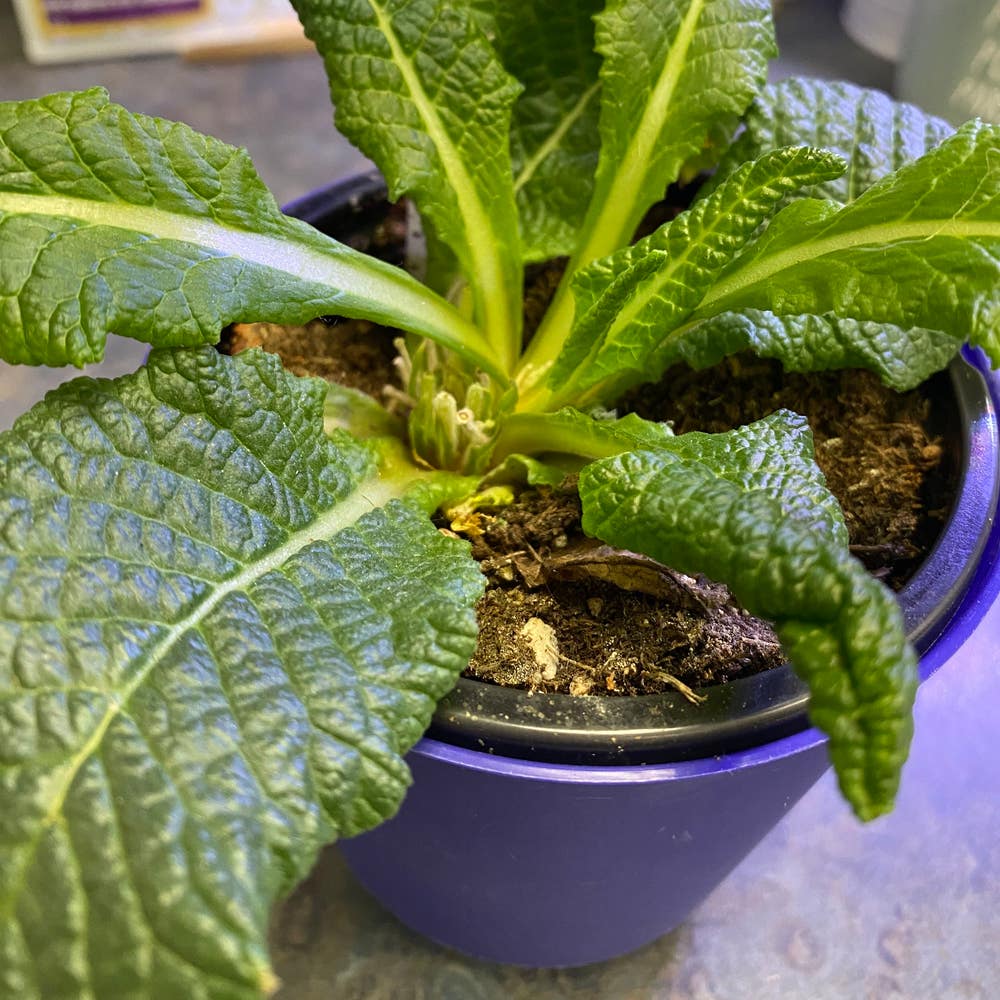
🌼 Understanding Brown Spots on Your Double Primrose Leaves
Primula vulgaris 'Double'
By the Greg Editorial Team
Oct 15, 2024•6 min read
This article was created with the help of AI so we can cover more plants for you. May contain errors. See one? Report it here.
Revive your double primrose 🌱 by mastering the causes of brown spots and restoring its vibrant health!
- 🌱 Brown spots on double primrose arise from infections, pests, and nutrient deficiencies.
- 💧 Overwatering and poor drainage lead to bacterial infections causing brown, water-soaked spots.
- 🌞 Proper light and humidity are crucial for preventing stress and promoting healthy growth.
Causes of Brown Spots
🦠 Fungal Infections
Fungal infections are a common culprit behind brown spots on double primrose leaves. The most prevalent types include powdery mildew and leaf spot disease, thriving in conditions of high humidity and poor air circulation.
🦠 Bacterial Infections
Bacterial infections manifest as water-soaked spots that eventually turn brown. These infections often arise from overwatering and poor drainage, creating a perfect environment for bacteria to flourish.
🐛 Pest Infestations
Pest infestations can also lead to unsightly brown spots. Common pests like aphids, spider mites, and thrips leave behind signs of damage such as discoloration, stippling, and webbing on the leaves.
🥦 Nutrient Deficiencies
Nutrient deficiencies can significantly impact your double primrose. Key nutrients like nitrogen, potassium, and magnesium are essential; their absence can cause yellowing leaves accompanied by brown spots and stunted growth.
🌪️ Environmental Stress Factors
Environmental stress factors, including temperature extremes, drought, and excessive moisture, can weaken your plant. This stress makes the double primrose more susceptible to diseases, leading to further leaf damage.
Understanding these causes is crucial for effective treatment and prevention. Next, we’ll explore how to diagnose the problem accurately.
Diagnosing the Problem
🌍 Assessing Environmental Conditions
Light Exposure
For double primrose leaves, bright, indirect light is essential. If you notice stretching or pale leaves, your plant may not be receiving enough light.
Humidity Levels
Maintaining humidity levels between 40-60% is crucial for healthy growth. Watch for crispy leaf edges or browning, which can indicate low humidity.
Soil Moisture
Consistent moisture is key; avoid waterlogged conditions that can lead to root rot. Signs of overwatering include wilting and yellowing leaves, while dry, crispy leaves suggest underwatering.
🔍 Inspecting for Pests
Common Pests
Aphids are small, green insects that can cause curling and yellowing of leaves. Spider mites, tiny web-spinning pests, often lead to stippling and leaf drop.
Signs of Pest Damage
Keep an eye out for discoloration, webbing, and leaf drop as visual indicators of pest damage. Early detection can save your plant from severe harm.
By understanding these diagnostic steps, you can effectively identify issues affecting your double primrose. This knowledge sets the stage for implementing the right treatment options to restore your plant's health.
Treatment Options
Immediate Actions 🌱
Pruning Affected Leaves
To tackle brown spots on your double primrose leaves, start by pruning the affected areas. Use clean, sharp scissors to remove all damaged foliage, ensuring you don’t spread any potential infections.
Timing is crucial; prune in the morning when the plant is less stressed. This helps the plant recover more quickly and minimizes further damage.
Adjusting Watering Practices
Next, reassess your watering habits. Water your double primrose when the top inch of soil feels dry to the touch, avoiding both overwatering and underwatering.
Deep watering is essential as it encourages robust root growth, helping your plant thrive.
Chemical Treatments 🧪
Recommended Fungicides
If fungal infections persist, consider using fungicides. There are two main types: systemic and contact fungicides.
Always follow the label instructions for dosage and frequency to ensure effective treatment without harming your plant.
Organic Options
For a more natural approach, neem oil is a fantastic option. It effectively combats both pests and fungal infections, making it a versatile choice for plant care.
Another simple solution is a baking soda mixture. This homemade remedy can help address fungal issues without harsh chemicals.
Natural Remedies 🌿
Homemade Solutions
Creating your own treatment is easy! Mix 1 tablespoon of baking soda with 1 gallon of water to form a spray solution.
Apply this mixture to the affected leaves every 7-14 days for optimal results. This natural remedy can help restore your double primrose’s health while keeping your gardening practices eco-friendly.
With these treatment options, you can effectively manage brown spots and promote healthier growth in your double primrose. Next, let’s explore preventive measures to keep your plants thriving year-round.
Preventive Measures
🌊 Best Practices for Watering
Frequency and Method
Watering your double primrose is all about balance. Aim to water deeply but infrequently, allowing the soil to dry out slightly between sessions.
Avoid overhead watering, as it can promote fungal diseases. Instead, focus on watering at the base of the plant to keep the leaves dry.
Importance of Drainage
Proper drainage is crucial for healthy plants. Ensure that your pots have drainage holes to prevent water from pooling, which can lead to root rot.
🌱 Soil Health and Nutrient Management
Fertilization Tips
Using a balanced NPK formula is key for vibrant growth. Fertilize every 4-6 weeks during the growing season to provide essential nutrients.
This regular feeding helps your double primrose thrive and resist diseases.
Soil Amendments
Incorporating organic matter into your soil can make a world of difference. It improves drainage and nutrient retention, creating a healthier environment for your plants.
Consider adding compost or well-rotted manure to enrich the soil.
🌞 Environmental Adjustments
Ideal Light and Humidity Conditions
Your double primrose loves bright, indirect light. Position it where it can soak up the sun without being scorched.
Humidity is also vital for its health. Use pebble trays or humidifiers in dry conditions to maintain optimal humidity levels, ensuring your plant stays happy and vibrant.
With these preventive measures in place, your double primrose will be well-equipped to thrive. Next, let’s explore seasonal considerations to keep your plant in top shape throughout the year.
Seasonal Considerations
🌦️ Seasonal Changes and Their Impact
Understanding how seasonal changes affect your double primrose is crucial for maintaining healthy plants. Each season brings unique challenges and opportunities for care.
🌱 Spring Care Tips
Spring is the perfect time for an early inspection. Check your plants for any signs of pests or diseases that may have lingered through winter.
As new growth appears, it's time to start fertilizing. A balanced approach will help your double primrose thrive during this active growth period.
☀️ Summer Stress Management
Summer heat can stress your plants, so adjust your watering routine accordingly. Increase the frequency of watering to keep the soil consistently moist.
Additionally, consider providing shade during the hottest parts of the day. This simple step can protect your plants from intense afternoon sun.
🍂 Fall Preparation
As fall approaches, it's time for final pruning. Remove any dead or diseased foliage to prepare your plants for the winter months ahead.
Don't forget about winterizing! If your double primrose is in a pot, move it indoors or provide frost protection to keep it safe from harsh weather.
By following these seasonal considerations, you can ensure your double primrose remains vibrant and healthy throughout the year. Next, let’s dive into diagnosing specific problems that may arise with your plants.
⚠️ Safety First
This content is for general information and may contain errors, omissions, or outdated details. It is not medical, veterinary advice, or an endorsement of therapeutic claims.
Always consult a qualified healthcare professional before using any plant as food, medicine, or supplement.
Never eat any plant (or feed one to pets) without confirming its identity with at least two trusted sources.
If you suspect poisoning, call Poison Control (800) 222-1222, the Pet Poison Helpline (800) 213-6680, or your local emergency service immediately.
Spotted an error? Please report it here.
Combat those pesky brown spots on your double primrose leaves with Greg's tailored care tips 🌱, ensuring your plants flourish and stay vibrant all year round!