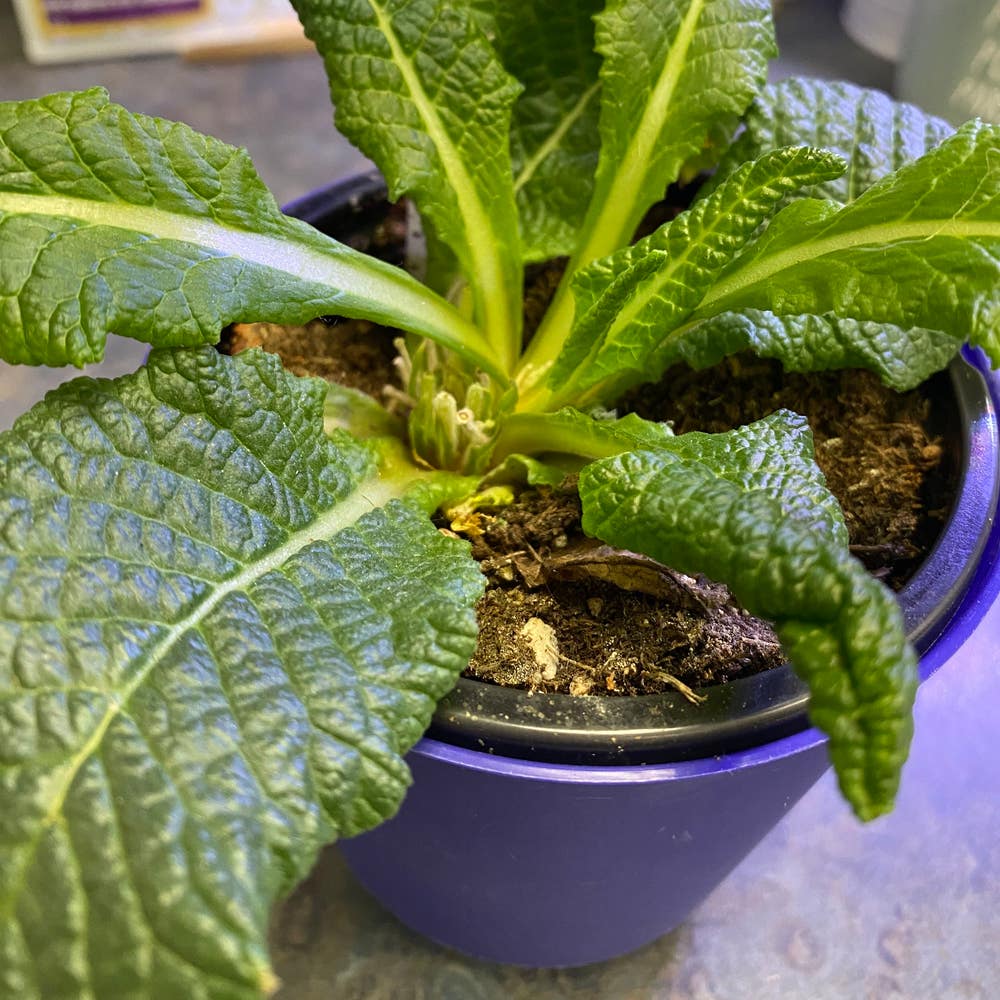
🥕 All About Your Double Primrose's Roots
Primula vulgaris 'Double'
By the Greg Editorial Team
Oct 15, 2024•6 min read
This article was created with the help of AI so we can cover more plants for you. May contain errors. See one? Report it here.
Master the unique root system of Double Primroses 🌱 for vibrant blooms and thriving plants in your garden!
- 🌱 Double Primrose roots are fibrous, ensuring efficient nutrient absorption and stability.
- 💧 Overwatering causes root rot; monitor soil moisture closely for healthy growth.
- 🌼 Transplant in spring or fall to minimize stress and promote root health.
Root System Characteristics
🌱 Type of Root System
The Double Primrose features a fibrous root system, characterized by a network of thin, branching roots. This system differs from taproot systems, which have a single, thick root that penetrates deep into the soil.
Fibrous roots excel in nutrient absorption and provide excellent stability. Their extensive network allows them to capture moisture and nutrients from a larger area, making them particularly effective in various soil conditions.
📏 Specific Characteristics
These roots typically grow shallowly but spread extensively laterally. This growth pattern enables the plant to access surface nutrients efficiently.
However, the shallow nature of the roots makes them sensitive to overwatering. Excess moisture can lead to root rot, so it's crucial to monitor soil conditions closely to ensure healthy growth.
With these characteristics in mind, understanding the root system of the Double Primrose is essential for effective care. Next, we’ll explore the implications of root depth and spread on watering and soil conditions.
Root Depth and Spread
Typical Depth and Spread 🌱
The average root depth of a Double Primrose ranges from 6 to 12 inches. Typically, these roots spread about 12 to 18 inches wide, creating a robust network that supports the plant.
This depth and spread have significant implications for watering and soil conditions. Shallow roots require consistent moisture, but they also need well-draining soil to thrive.
Growth Patterns 🌼
Seasonal growth patterns play a crucial role in the overall health of your Double Primrose. During spring and summer, roots actively expand, absorbing nutrients and water to support lush foliage and vibrant blooms.
Environmental factors, such as temperature and moisture levels, can greatly influence root development. A well-timed watering schedule can enhance growth, while neglect can lead to stunted plants.
Understanding these dynamics helps you create the best conditions for your Double Primrose to flourish. With the right care, you can enjoy a thriving plant that brings beauty to your space.
Care Practices Influenced by Roots
💧 Watering Techniques
Water your Double Primrose every 1-2 weeks, adjusting based on soil moisture. Well-draining soil is crucial to prevent root rot, which can devastate your plant.
To check soil moisture, stick your finger about an inch into the soil. If it feels dry, it’s time to water.
🌱 Fertilizing Considerations
Choosing the right fertilizer is key for your Double Primrose's health. Look for balanced fertilizers that provide essential nutrients.
Fertilize during the growing season, ideally every 4-6 weeks. This ensures your plant receives the nutrients it needs for robust root development.
🌼 Best Practices for Transplanting
The best time to transplant your Double Primrose is early spring or fall. This timing helps minimize stress on the plant.
Follow these steps for a successful transplant:
- Prepare the new planting hole, making it twice the width of the root ball.
- Gently remove the plant from its pot, taking care not to damage the roots.
- Place the plant in the new hole and backfill with soil.
- Water thoroughly after transplanting to help settle the soil.
Maintaining root integrity during this process is vital for your plant's recovery and growth.
These care practices will help ensure your Double Primrose thrives, setting the stage for healthy roots and vibrant blooms. Next, we’ll explore common root-related issues that can affect your plant’s health.
Common Root-Related Issues
Identifying Problems 🌱
Root-related issues can significantly impact your Double Primrose's health. The most common problems include root rot, overwatering, and nutrient deficiencies.
Signs of these root problems are often visible in the plant's foliage. Look for yellowing leaves, stunted growth, and wilting as indicators that something is amiss.
Prevention and Solutions 🛠️
Preventing root rot is crucial for maintaining a healthy plant. Start by ensuring proper drainage in your pots to allow excess water to escape.
Avoiding overwatering is another key practice. Always check the soil moisture before watering to prevent soggy conditions.
If you notice root issues, repotting affected plants can provide a fresh start. Adjusting your watering schedule may also help restore balance and promote recovery.
By staying vigilant and proactive, you can keep your Double Primrose thriving and vibrant. Next, let’s explore how to recognize indicators of root health to ensure your plant remains in top condition.
Indicators of Root Health
Visual Cues 🌱
Healthy roots are a gardener's best friend. Look for roots that are firm, white, and well-structured; these indicate a thriving plant.
On the flip side, unhealthy roots show distress. Brown, mushy, or foul-smelling roots are red flags that something is amiss.
Other Indicators 🔍
Beyond roots, overall plant vigor tells a story. Check the leaf color, growth rate, and flowering; vibrant leaves and robust growth signal a healthy root system.
Soil condition also plays a crucial role. Compact or overly dry soil can hinder root health, so keep an eye on moisture levels to ensure your Double Primrose thrives.
Understanding these indicators can help you maintain a healthy plant. Next, let’s explore how to recognize and address rootbound conditions.
Recognizing and Addressing Rootbound Conditions
📖 Definition and Recognition
Rootbound conditions occur when a plant's roots grow too densely within its container, limiting their ability to absorb nutrients and water. You can spot a rootbound plant by looking for roots growing out of the drainage holes or noticing stunted growth.
⚙️ Intervention Steps
Timing is crucial for addressing rootbound issues. If you see growth stagnation or crowded roots, it’s time to take action.
- Remove the plant from its pot. Gently ease it out to avoid damaging the roots.
- Loosen the roots. If they’re tightly wound, gently separate them and prune any that are damaged.
- Repot in a larger container. Use fresh soil to give your plant room to thrive.
By following these steps, you can help your Double Primrose regain its vigor and continue to flourish. Proper intervention not only improves root health but also enhances overall plant growth.
Propagation and Division
🌱 Importance of Root Health
Healthy roots are crucial for successful propagation. They provide the necessary support and nutrients for new plants, ensuring they thrive in their new environment.
Timing is also key; early spring or fall are the best seasons for propagation. This allows the plant to establish itself before the stress of extreme temperatures.
✂️ Techniques for Dividing
Dividing your Double Primrose is a straightforward process. Follow these steps for effective division:
- Remove the plant from its pot. Gently lift it out, taking care not to damage the roots.
- Carefully separate the root clumps. Ensure each division has both roots and leaves for optimal growth.
- Replant divisions in well-draining soil. This will help prevent root rot and promote healthy development.
After division, watering and care are essential for root recovery. Keep the soil moist but not soggy, allowing the new plants to acclimate and flourish.
With these techniques, you can enjoy a thriving garden filled with vibrant Double Primroses. Next, let’s explore common root-related issues that may arise during your gardening journey.
⚠️ Safety First
This content is for general information and may contain errors, omissions, or outdated details. It is not medical, veterinary advice, or an endorsement of therapeutic claims.
Always consult a qualified healthcare professional before using any plant as food, medicine, or supplement.
Never eat any plant (or feed one to pets) without confirming its identity with at least two trusted sources.
If you suspect poisoning, call Poison Control (800) 222-1222, the Pet Poison Helpline (800) 213-6680, or your local emergency service immediately.
Spotted an error? Please report it here.
Keep your Double Primrose's roots thriving 🌱 with Greg's tailored watering alerts and expert care tips to prevent root rot and ensure vibrant growth!