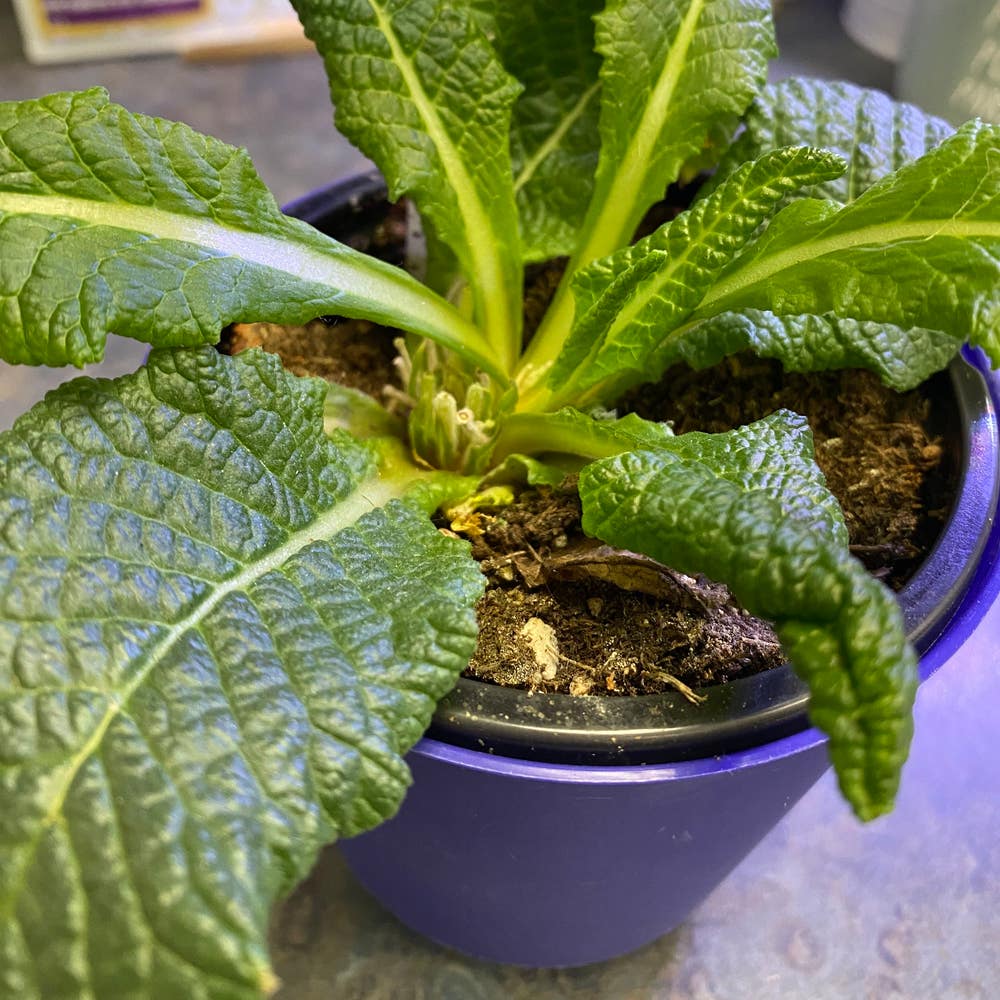
🌸 9 Tips for Growing Double Primrose
Primula vulgaris 'Double'
By the Greg Editorial Team
Oct 15, 2024•6 min read
This article was created with the help of AI so we can cover more plants for you. May contain errors. See one? Report it here.
Cultivate stunning Double Primrose blooms 🌼 with essential planting and care tips for a vibrant garden!
- 🌞🌿 Double primrose thrives in partial shade and cool, moist environments for optimal growth.
- 🌱💧 Well-drained, organic-rich soil with proper pH is essential for double primrose health.
- 🌼✂️ Regular deadheading and pruning promote continuous blooms and fresh growth throughout the season.
Site Selection and Soil Preparation
Choosing the Right Location 🌞
Double primrose thrives in a variety of light conditions, but it prefers partial shade to full sun. This plant does best in cool, moist environments, so steer clear of extreme heat to keep it flourishing.
Soil Type and pH Requirements 🧪
For optimal growth, double primrose needs well-drained, rich soil packed with organic matter. Aim for a pH range between 6.0 and 7.0, which is slightly acidic to neutral.
Soil Preparation Techniques 🛠️
To prepare your soil, incorporate compost or well-rotted manure to boost fertility. Good drainage is crucial; consider raised beds if your soil tends to retain too much moisture, as this can lead to root rot.
With the right location and soil conditions, you're setting the stage for a vibrant display of double primrose. Next, let’s dive into effective planting techniques to ensure your flowers thrive.
Planting Techniques
Best Planting Times 🌱
For the best results, plant your Double Primrose in early spring or fall. These seasons provide optimal conditions for growth and establishment.
Step-by-Step Planting Instructions 🛠️
- Prepare the planting site by loosening the soil to a depth of 12 inches.
- Mix in organic matter to enhance soil fertility, ensuring your plants have the nutrients they need.
- Dig holes that are twice the width of the root ball and the same depth.
- Place the plant in the hole, making sure the crown is level with the soil surface.
- Backfill with soil and water thoroughly to settle the plant in its new home.
Spacing and Depth for Optimal Growth 📏
To promote healthy air circulation, space your Double Primrose 12-18 inches apart. Ensure you plant them at the same depth they were in the nursery pot for best results.
With these planting techniques in hand, you're well on your way to cultivating vibrant Double Primrose. Next, let’s dive into the essential watering and fertilizing practices to keep your plants thriving.
Watering and Fertilizing
Watering Frequency and Techniques 🌧️
Double Primrose thrives in consistently moist soil, but be careful not to overdo it. Aim to keep the soil damp without creating a soggy mess.
Using drip irrigation or a soaker hose is ideal. These methods help minimize leaf wetness, reducing the risk of fungal diseases.
Types of Fertilizers Suitable for Double Primrose 🌱
For optimal growth, choose balanced, slow-release fertilizers like 10-10-10. These provide essential nutrients steadily over time.
Fertilize in early spring and again in mid-summer to keep your plants healthy and vibrant. Regular feeding supports robust blooms and lush foliage.
Signs of Overwatering or Underwatering 🚿
Watch for yellowing leaves and wilting, which can indicate overwatering. Root rot is a serious concern, so ensure your plants have good drainage.
On the flip side, underwatering shows up as wilting and dry leaf edges. Stunted growth is another red flag that your Double Primrose needs a drink.
With proper watering and fertilizing, your Double Primrose will flourish, setting the stage for effective pruning and maintenance.
Pruning and Maintenance
✂️ When and How to Prune Double Primrose
Late spring is the ideal time to prune your Double Primrose, right after the flowering period. This is when you should cut back spent flower stalks to promote fresh growth and keep your plants looking tidy.
🌼 Deadheading Techniques for Continuous Blooms
To encourage continuous blooms, pinch off spent flowers just above the first set of leaves. Make this a regular practice throughout the blooming season for the best results.
📅 Seasonal Care Routines
In spring, focus on fertilizing your plants and checking for any pests that may have taken up residence. During summer, keep an eye on moisture levels and prune as needed to maintain health.
As fall approaches, prepare your Double Primrose for winter by mulching and cutting back foliage. This will help protect the plants and ensure they thrive when spring returns.
With these pruning and maintenance tips, your Double Primrose will flourish beautifully, setting the stage for the next section on common challenges and solutions.
Common Challenges and Solutions
🐞 Identifying and Managing Pests
Aphids
Aphids can be a nuisance for your Double Primrose. Look for curling leaves and a sticky residue on the foliage, which are telltale signs of an infestation.
To control aphids, consider using insecticidal soap or neem oil. Introducing beneficial insects, like ladybugs, can also help keep their numbers in check.
Slugs
Slugs are another common pest that can wreak havoc on your plants. You might notice holes in the leaves and slimy trails left behind.
To manage slugs, handpicking is effective, especially in the early morning or evening. You can also set traps or sprinkle diatomaceous earth around the base of your plants for added protection.
🦠 Addressing Diseases
Root Rot
Root rot is a serious issue that can affect your Double Primrose. Symptoms include wilting, yellowing leaves, and mushy roots.
Prevent root rot by ensuring your soil is well-drained and avoiding overwatering. This simple step can save your plants from significant damage.
Powdery Mildew
Powdery mildew appears as white, powdery spots on leaves, indicating a fungal issue. It can spread quickly if not addressed.
To combat powdery mildew, improve air circulation around your plants. If necessary, use fungicides to manage severe outbreaks.
🌍 Tips for Overcoming Environmental Challenges
Environmental factors can also pose challenges for your Double Primrose. During extreme heat, providing shade can help protect your plants.
Mulching is another effective strategy to retain moisture in the soil. Additionally, maintaining consistent moisture levels is crucial, especially in dry conditions.
By staying vigilant and proactive, you can ensure your Double Primrose thrives despite these challenges. Next, let’s explore container growing for those who want to enjoy these beautiful flowers in smaller spaces.
Container Growing
Choosing the Right Container 🌱
When growing Double Primrose in containers, size matters. Opt for pots that are at least 12 inches in diameter to provide adequate root space.
Drainage is crucial for healthy plants. Make sure your containers have drainage holes to prevent water from pooling at the bottom.
Soil and Watering Considerations 💧
Use a potting mix designed for good drainage. This will help keep the roots healthy and prevent issues like root rot.
Containers tend to dry out faster than garden beds. Monitor the soil moisture closely to ensure it remains consistently moist but not soggy.
Fertilizing in Containers 🌼
For optimal growth, apply liquid fertilizers every 4-6 weeks during the growing season. This will provide the nutrients your Double Primrose needs to thrive.
With these container growing tips, you can enjoy vibrant blooms even in limited spaces. Next, let’s explore outdoor planting techniques to expand your gardening options.
Outdoor Planting
Preparing the Garden Bed 🌱
Choosing the right site is crucial for your Double Primrose. Look for a location that offers partial shade, as these plants thrive best in cooler environments.
Soil preparation is equally important. Amend the soil with compost to enrich it and ensure good drainage to keep roots healthy and happy.
Planting Techniques for Outdoor Settings 🌼
When it comes to planting, follow the same instructions outlined earlier. This consistency helps ensure your plants establish well.
Keep a close eye on your Double Primrose for any signs of pests or diseases. Regular monitoring will help you catch issues early and maintain a vibrant garden.
⚠️ Safety First
This content is for general information and may contain errors, omissions, or outdated details. It is not medical, veterinary advice, or an endorsement of therapeutic claims.
Always consult a qualified healthcare professional before using any plant as food, medicine, or supplement.
Never eat any plant (or feed one to pets) without confirming its identity with at least two trusted sources.
If you suspect poisoning, call Poison Control (800) 222-1222, the Pet Poison Helpline (800) 213-6680, or your local emergency service immediately.
Spotted an error? Please report it here.
Cultivating vibrant double primrose 🌼 is easy with Greg's personalized care tips and watering reminders, ensuring your blooms flourish all season long!