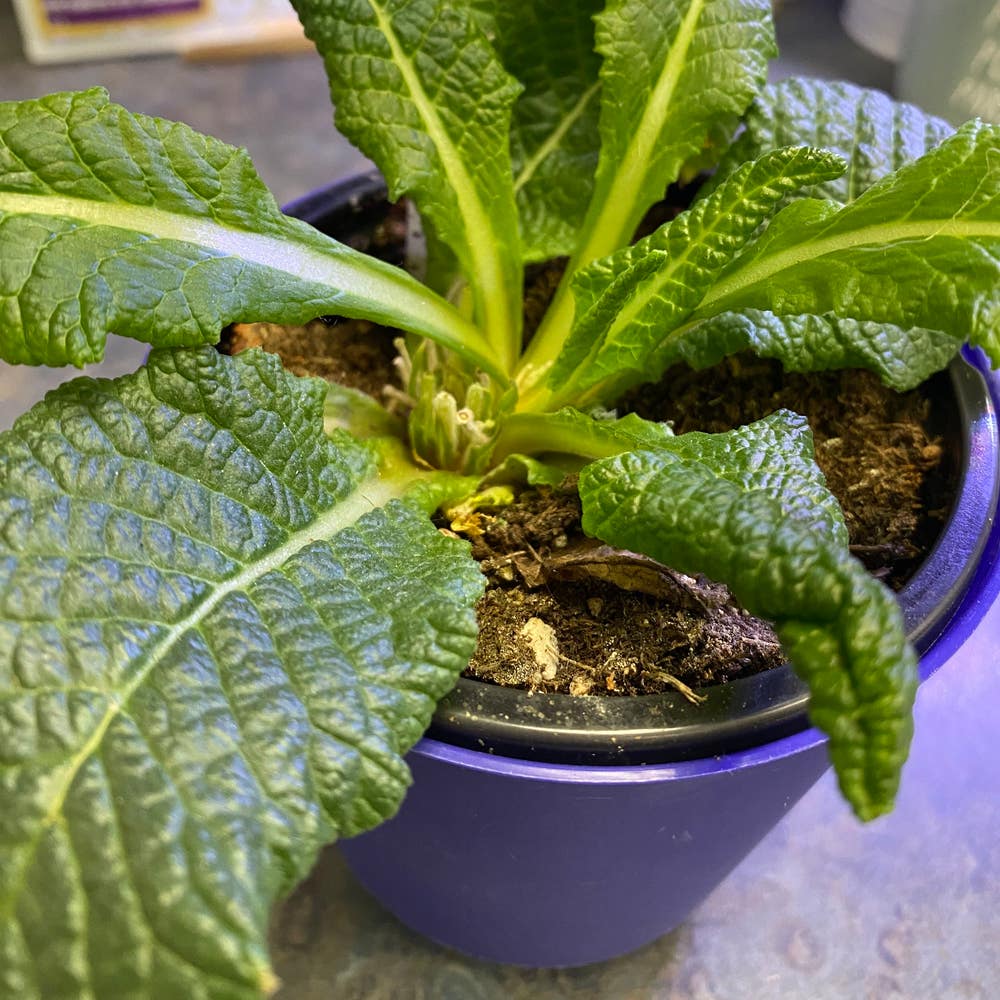
🌸 How to Fix Root Rot in Your Double Primrose
Primula vulgaris 'Double'
By the Greg Editorial Team
Oct 15, 2024•3 min read
This article was created with the help of AI so we can cover more plants for you. May contain errors. See one? Report it here.
Rescue your Double Primrose from root rot 🌱 with these vital treatment and prevention tips for lasting health!
- 🌱 Treat root rot by inspecting and trimming dark, mushy roots immediately.
- 💧 Repot in fresh mix with drainage holes to prevent future rot.
- 🌿 Monitor watering and soil moisture to maintain healthy roots.
Treating Root Rot
Step-by-Step Treatment Process
Remove the plant from its pot: Start by gently loosening the soil around the roots. This helps minimize stress on the plant.
Inspect the roots: Look for any dark, mushy roots. Trim these away using sterilized scissors to prevent further infection.
Rinse the remaining healthy roots: Use lukewarm water to wash off any remaining soil and pathogens. This step is crucial for giving your plant a fresh start.
Prepare a new pot: Select a pot with drainage holes. Fill it with a fresh potting mix specifically designed for Primrose.
Repot the plant: Place the plant in the new pot, ensuring the roots are spread out and adequately covered with soil. This promotes healthy growth.
🧪 Recommended Fungicides or Treatments
Organic options: Consider using neem oil or cinnamon powder. Both are effective in combating fungal infections naturally.
Chemical fungicides: If you prefer chemical solutions, look for products containing azoxystrobin or chlorothalonil. These can provide a more aggressive treatment.
Application instructions: Always follow the label directions for dosage and frequency. Proper application is key to successful treatment.
By following these steps, you can effectively treat root rot in your Double Primrose. Next, let’s explore how to prevent root rot from occurring in the first place.
Preventing Root Rot
💧 Best Watering Practices
To keep your Double Primrose healthy, establish a consistent watering schedule. Allow the top inch of soil to dry out before watering again to prevent soggy roots.
Using a moisture meter can help you gauge when to water accurately. Watch for signs of overwatering, such as drooping leaves and consistently wet soil, which can lead to root rot.
🕳️ Importance of Drainage
Choosing the right pot is crucial. Always opt for pots with drainage holes to prevent water accumulation at the bottom.
Enhance your potting mix by incorporating perlite or sand for improved drainage. Elevating pots on risers can also boost airflow beneath them, further reducing the risk of root rot.
🌱 Choosing the Right Soil Mix
Select a well-draining, lightweight potting mix that includes organic matter. This type of soil allows for better moisture control and root health.
Aim for a slightly acidic to neutral pH level between 6.0 and 7.0. Avoid heavy soils, as they can retain too much moisture and create a breeding ground for root rot.
By implementing these preventive measures, you can significantly reduce the risk of root rot in your Double Primrose. Next, let’s explore how to monitor your plant’s health effectively.
Monitoring Plant Health
Regular Checks for Root Health 🌱
To keep your double primrose thriving, inspect the roots every 4-6 weeks during the growing season. Early signs of distress include yellowing leaves or wilting, which can indicate underlying issues.
Signs of Recovery After Treatment 🌼
After treatment, look for new growth, such as fresh leaves or flowers, as a positive sign. Healthy roots should appear firm and white, while consistent drying of the top layer of soil indicates improved drainage.
When to Seek Professional Help 🆘
If root rot symptoms persist despite your best efforts, it may be time to consult a professional. Severe root damage or unidentified issues can require expert intervention, so don’t hesitate to reach out to a local horticulturist or extension service for guidance.
By staying vigilant and proactive, you can ensure your double primrose remains healthy and vibrant. Next, let’s explore effective prevention strategies to keep root rot at bay.
⚠️ Safety First
This content is for general information and may contain errors, omissions, or outdated details. It is not medical, veterinary advice, or an endorsement of therapeutic claims.
Always consult a qualified healthcare professional before using any plant as food, medicine, or supplement.
Never eat any plant (or feed one to pets) without confirming its identity with at least two trusted sources.
If you suspect poisoning, call Poison Control (800) 222-1222, the Pet Poison Helpline (800) 213-6680, or your local emergency service immediately.
Spotted an error? Please report it here.
Revive your Double Primrose from root rot and keep it flourishing with Greg's tailored watering reminders 🌿 that ensure your plant thrives in its optimal environment!