🐇 How Fast A Double Primrose Grows
Primula vulgaris 'Double'
By the Greg Editorial Team
Oct 15, 2024•6 min read
This article was created with the help of AI so we can cover more plants for you. May contain errors. See one? Report it here.
Nurture double primrose from seed to bloom 🌼 and transform your garden into a vibrant paradise!
- 🌱 Double primrose seeds germinate in 14-30 days under optimal conditions.
- 🌞💧 Ideal growth requires moist, well-drained soil and consistent light exposure.
- 🌼 Full maturity takes 2-3 years, influenced by care and environmental factors.
Germination Stage
🌱 Duration of Germination
Germination is a crucial first step in growing double primrose. Under optimal conditions, you can expect seeds to sprout within 14 to 30 days.
🌧️ Conditions for Successful Germination
To ensure successful germination, pay attention to the soil. It should be moist and well-drained, with a pH level between 6.0 and 7.0.
Temperature Requirements
The ideal temperature range for germination is between 15°C to 20°C (59°F to 68°F). This range promotes healthy seed development.
Light Exposure
Light plays a vital role in germination. While seeds benefit from some light, avoid burying them too deeply in the soil.
By understanding these germination conditions, you set the stage for healthy growth. Next, let’s explore the seedling stage and what to expect as your double primrose begins to develop.
Seedling Stage
Length of Seedling Development 🌱
The seedling stage is a crucial phase for double primroses, lasting approximately 4-6 weeks. During this time, the seedlings develop the strength needed for transplanting.
Key Characteristics of Seedlings 🌿
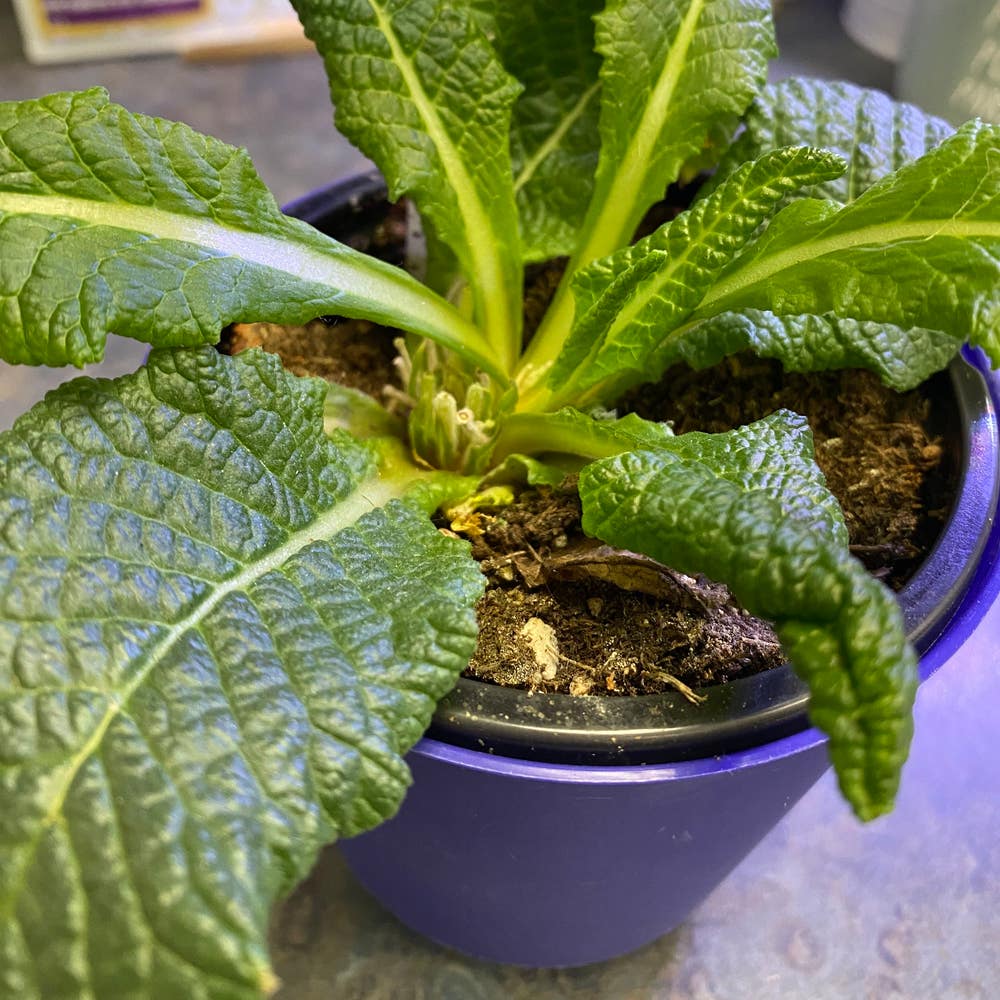
At this stage, you'll notice small, rounded leaves forming a rosette shape. This initial leaf structure is essential for capturing light and nutrients.
The growth habit during this period is characterized by slow initial growth, as the seedlings focus primarily on developing a robust root system. A strong root foundation is vital for future growth and flowering.
As you nurture your seedlings, keep an eye on their progress. Healthy seedlings will show vibrant colors and steady growth, setting the stage for a flourishing plant.
This stage is just the beginning of an exciting journey toward maturity. Next, we’ll explore the vegetative growth stage, where your double primrose will really start to take off.
Vegetative Growth Stage
Duration of Vegetative Growth 🌱
The vegetative growth stage of a double primrose typically lasts between 6 to 12 months. This duration can vary significantly based on environmental conditions, such as light and moisture levels.
Changes in Leaf Structure and Size 🍃
During this stage, you'll notice that the leaves undergo substantial changes. They grow larger and become more elongated, showcasing the plant's transition into a more mature form.
Color Changes 🎨
As the leaves mature, their color may darken, signaling healthy growth. This deepening hue is a positive indicator of the plant's vigor and overall health.
Importance of Environmental Factors 🌍
Environmental factors play a crucial role in this stage. Adequate light and moisture can enhance growth, while poor conditions may hinder development.
Observing Growth Patterns 👀
Keep an eye on your double primrose during this period. The changes in leaf structure and color not only reflect the plant's health but also its readiness for the next stages of growth.
As the vegetative phase progresses, the plant prepares for the exciting transition to flowering. This next stage will bring vibrant blooms and further changes in the plant's appearance.
Flowering Stage
Timeframe for Flowering 🌼
The flowering period for double primroses typically spans 1-2 years after germination. This timeframe can vary based on environmental conditions, so patience is key.
Description of Flower Development 🌸
In early spring, you'll notice clusters of buds forming, signaling the onset of blooming. As the season progresses, these buds burst into vibrant flowers that can last for several weeks, adding a splash of color to your garden.
The transformation from bud to bloom is a sight to behold. Each flower showcases a rich palette, drawing in pollinators and enhancing the garden's appeal.
As you observe this stage, remember that the health of your plants can influence flowering. Proper care during the earlier stages will set the stage for a stunning display.
With the flowering stage underway, let's explore the subsequent Seed Production Stage and how these beautiful blooms contribute to the plant's lifecycle.
Seed Production Stage
Duration of Seed Production 🌱
Seed production kicks off after flowering, typically lasting about 4-6 weeks. This period is crucial for the plant, as it transitions from vibrant blooms to the next generation of seeds.
Process of Seed Formation and Dispersal 🌼
Pollination is the star of the show here. Once pollinated, the flowers develop seed pods, which are essential for the plant's reproduction.
Seed Formation: The transformation from flower to seed pod is fascinating. It’s nature’s way of ensuring survival and propagation.
Dispersal Methods: Seeds don’t just sit around; they’re on the move! Wind and water play significant roles in dispersing these seeds, helping them find new homes to grow.
This stage is vital for the continuation of the Double Primrose’s life cycle. Understanding it can deepen your appreciation for these beautiful plants and their resilience in nature.
Next, we’ll explore how long it takes for Double Primrose to reach full maturity.
Growth Rate and Maturation
How Long Until Fully Grown? 🌱
Double Primrose generally reaches full maturity within 2-3 years from seed. This timeline can vary based on several factors, including care and environmental conditions.
Factors Affecting Growth Rate 🌍
Environmental conditions play a crucial role in growth rates. Light, moisture, and soil quality significantly impact how quickly your Double Primrose develops.
- Light: Adequate sunlight promotes faster growth.
- Moisture: Consistent watering is essential for healthy development.
- Soil Quality: Nutrient-rich, well-drained soil supports robust growth.
Additionally, varietal differences can influence growth rates. For instance, cultivars like 'Double Yellow' may grow at different rates compared to 'Double Pink'.
Comparison of Growth Rates in Different Conditions 📊
Growth rates can vary dramatically based on environmental conditions.
- Optimal Conditions: In partial shade with consistent moisture, you can expect quicker growth.
- Suboptimal Conditions: Conversely, growth slows in dry or overly shaded areas, leading to a less vigorous plant.
Understanding these factors can help you create the best environment for your Double Primrose, ensuring it flourishes beautifully.
As you nurture your plants, keep an eye on their growth patterns and adjust care as needed. This attention will lead to a thriving garden filled with vibrant blooms.
Next, let’s explore the notable changes throughout the life cycle of the Double Primrose.
Notable Changes Throughout Life Cycle
🌱 Visual Changes from Seed to Maturity
The journey of a double primrose begins with tiny seedlings forming small rosettes. As they mature, these rosettes expand into larger, vibrant flowering plants, showcasing the beauty of nature's transformation.
🌸 Flowering: A Stunning Transformation
As spring approaches, clusters of buds emerge, signaling the onset of flowering. This visual spectacle captivates onlookers as the buds unfurl into full, colorful blooms, creating a stunning display.
🌿 Changes in Plant Health and Vigor
Monitoring leaf color and size can reveal a lot about the plant's health. Healthy leaves are typically vibrant and robust, while any discoloration may indicate stress or nutrient deficiencies.
🌼 Seasonal Variations in Growth and Flowering
Spring is a time of active growth and flowering, with the double primrose thriving in the warming temperatures.
☀️ Summer: Growth with Caution
During summer, growth continues, but extreme heat may lead to dormancy. It's essential to keep an eye on moisture levels to ensure the plant remains healthy.
🍂 Fall: Preparing for Winter
As fall arrives, the double primrose prepares for winter. Foliage may die back, signaling a period of rest before the cycle begins anew in spring.
These notable changes throughout the life cycle of the double primrose highlight its resilience and beauty. Understanding these stages can help you nurture your plants effectively, ensuring they thrive year after year.
⚠️ Safety First
This content is for general information and may contain errors, omissions, or outdated details. It is not medical, veterinary advice, or an endorsement of therapeutic claims.
Always consult a qualified healthcare professional before using any plant as food, medicine, or supplement.
Never eat any plant (or feed one to pets) without confirming its identity with at least two trusted sources.
If you suspect poisoning, call Poison Control (800) 222-1222, the Pet Poison Helpline (800) 213-6680, or your local emergency service immediately.
Spotted an error? Please report it here.
Unlock the secrets to thriving double primroses 🌱 with Greg's tailored care tips and reminders, ensuring your garden bursts with vibrant blooms in no time!