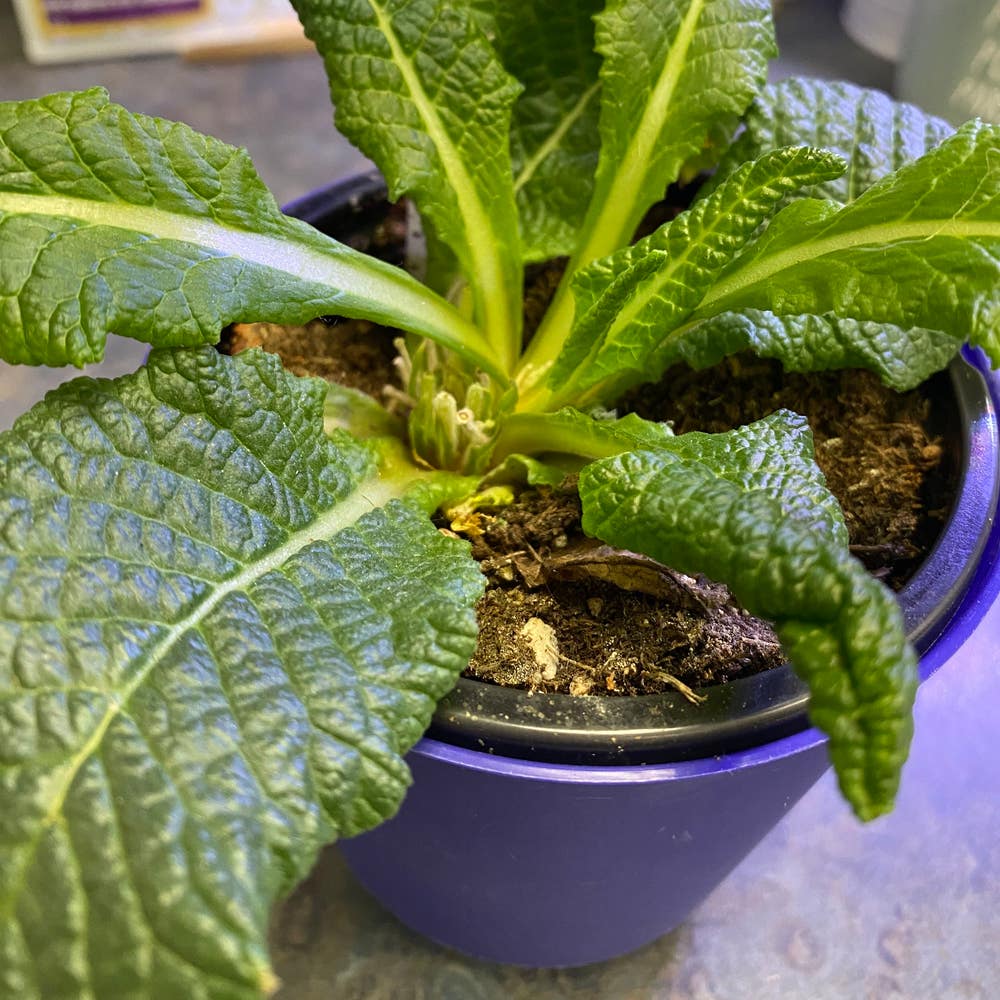
Best Temperature Conditions for Double Primrose ☀️
Primula vulgaris 'Double'
By the Greg Editorial Team
Oct 15, 2024•3 min read
This article was created with the help of AI so we can cover more plants for you. May contain errors. See one? Report it here.
Ensure your Double Primrose thrives 🌸 by mastering temperature management for vibrant blooms and robust growth!
- 🌡️ Temperature stress shows as wilting, yellowing leaves, and stunted growth in Double Primrose.
- ❄️🔥 Cold and heat stress lead to drooping flowers and leaf scorch.
- 🌿 Regular monitoring and shade can prevent temperature-related issues for healthy growth.
Temperature Stress in Double Primrose
Symptoms of Temperature Stress 🌡️
Temperature stress can manifest in various ways, and recognizing these symptoms early is crucial for recovery.
Signs of cold stress include wilting, yellowing leaves, and stunted growth. On the other hand, heat stress presents as leaf scorch, drooping flowers, and premature wilting.
Identifying these signs promptly can make a significant difference in your plant's recovery.
Causes of Temperature Stress 🔍
Understanding the causes of temperature stress helps in preventing it.
Sudden temperature fluctuations can lead to rapid drops or rises that shock the plant. Additionally, prolonged exposure to extreme temperatures, whether frost or heat, can be detrimental.
Another factor is poor soil drainage, which can cause root temperature extremes, further stressing the plant.
Recovery from Temperature Stress 💪
If your Double Primrose shows signs of temperature stress, immediate action is essential.
Start by moving the plant to a more suitable location or providing shade to protect it from harsh conditions.
For long-term care, adjust watering and fertilization to support recovery. Regularly monitoring temperature with a thermometer can help you stay ahead of potential issues.
By taking these steps, you can help your Double Primrose bounce back and thrive.
Impact of Temperature on Growth
Effects of Low Temperatures ❄️
Low temperatures can significantly stunt the growth of Double Primrose. You may notice reduced flowering and limited leaf development, which can be disheartening for any gardener.
Additionally, freezing temperatures pose a risk of root damage. Protecting the roots is crucial, and mulching can be a game-changer, insulating them during those chilly spells.
Effects of High Temperatures ☀️
On the flip side, high temperatures can lead to flowering issues. You might see a reduction in bloom size and quantity, which can impact the overall beauty of your garden.
Moreover, heat stress makes your plants more vulnerable to pests and diseases. When stressed, their natural defenses weaken, making regular monitoring essential during heat waves to keep them thriving.
Temperature Management Techniques
Protecting from Frost ❄️
To shield your Double Primrose from frost, consider using frost cloths or row covers during chilly nights. These simple methods can create a protective barrier against the cold.
Timing is crucial; cover your plants in the evening and remove the coverings in the morning to allow sunlight in. Keep an eye on local weather forecasts for frost warnings to stay ahead of potential temperature drops.
Providing Shade in Heat ☀️
When the heat rises, providing shade is essential for your Double Primrose's health. Techniques like using shade cloth, garden structures, or companion planting can effectively reduce direct sunlight exposure.
Implement shading during peak sun hours, typically between 10 AM and 4 PM. Dappled sunlight, akin to natural woodland conditions, benefits Double Primrose by creating a more hospitable environment.
By mastering these temperature management techniques, you can ensure your Double Primrose thrives, regardless of the weather challenges it faces. Next, let’s explore how temperature impacts growth.
⚠️ Safety First
This content is for general information and may contain errors, omissions, or outdated details. It is not medical, veterinary advice, or an endorsement of therapeutic claims.
Always consult a qualified healthcare professional before using any plant as food, medicine, or supplement.
Never eat any plant (or feed one to pets) without confirming its identity with at least two trusted sources.
If you suspect poisoning, call Poison Control (800) 222-1222, the Pet Poison Helpline (800) 213-6680, or your local emergency service immediately.
Spotted an error? Please report it here.
Keep your Double Primrose thriving 🌼 by using Greg's tailored reminders and tips to master temperature management and prevent stress for your plants!