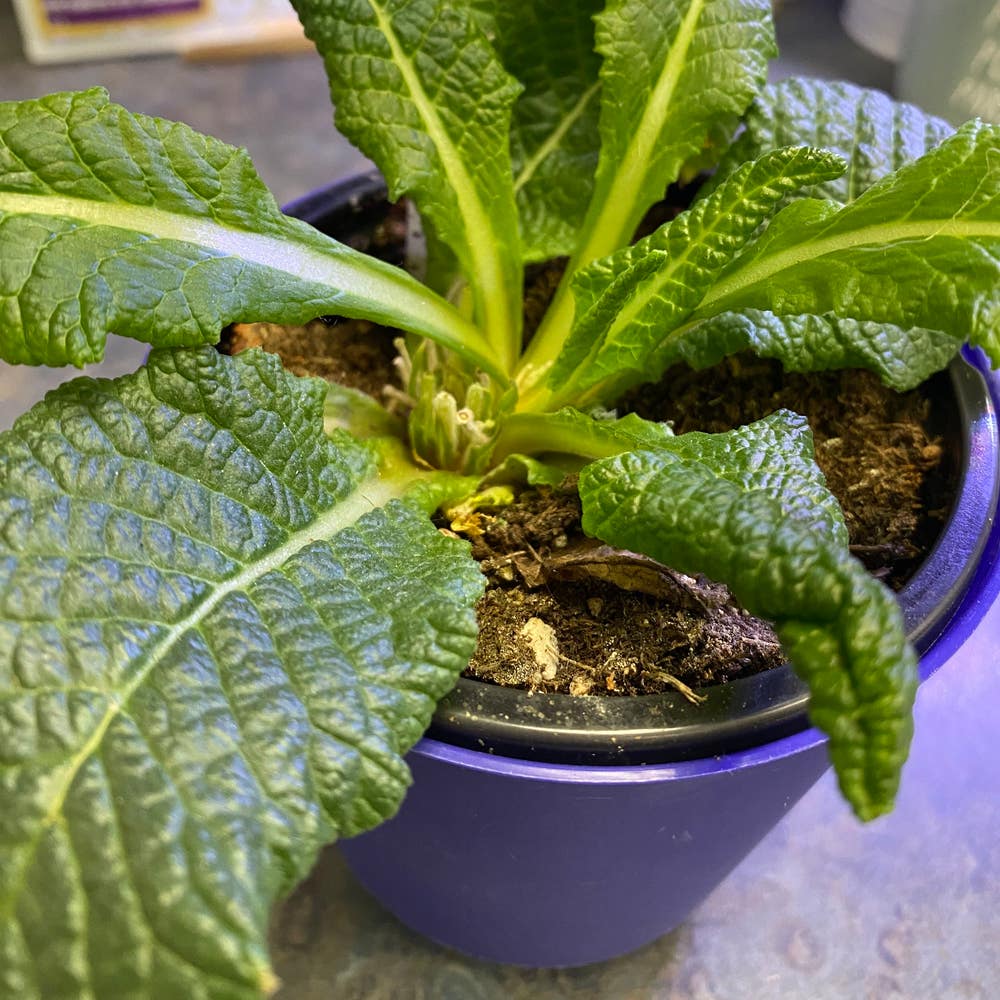
❄️ Top 8 Signs Your Double Primrose is Stressed in Winter
Primula vulgaris 'Double'
By the Greg Editorial Team
Oct 15, 2024•5 min read
This article was created with the help of AI so we can cover more plants for you. May contain errors. See one? Report it here.
Ensure your Double Primrose thrives this spring 🌱 by mastering essential winter care techniques today!
- ❄️ Protect your Double Primrose from frost to ensure winter survival.
- 🌱 Adjust watering to every 2-3 weeks to prevent overwatering and root rot.
- 🌿 Use mulch and frost blankets for insulation and moisture retention during winter.
Winter Care Techniques
❄️ Frost Protection Methods
Protecting your Double Primrose from frost is crucial for its survival during winter. Here are some effective techniques to ensure your plants stay safe.
Mulching: Benefits and Application
Mulching is a fantastic way to insulate the soil and retain moisture. Apply a layer of organic mulch around the base of your plants to help regulate temperature and protect roots from freezing.
Covering Plants with Cloth or Frost Blankets
Using cloth or frost blankets can shield your Double Primrose from harsh winter winds and frost. Make sure to cover the plants in the evening and remove the coverings during the day to allow sunlight in.
Using Cloches or Cold Frames for Added Protection
Cloches or cold frames are excellent for providing extra warmth. These structures trap heat and create a microclimate, helping your plants thrive even in chilly conditions.
💧 Adjusting Watering Schedules
During winter dormancy, it's essential to modify your watering routine. Overwatering can lead to root rot, so be mindful of how much moisture your Double Primrose needs.
Recommended Watering Frequency and Techniques
Water your plants less frequently in winter, typically every two to three weeks. Always check the soil moisture before watering; it should be dry to the touch about an inch down.
Signs of Overwatering to Avoid
Watch for yellowing leaves or a mushy stem, which are signs of overwatering. Adjust your watering schedule if you notice these symptoms.
🌱 Fertilizing During Winter Dormancy
Fertilization during winter is not always necessary but can be beneficial. Timing is key; apply fertilizers sparingly to avoid stressing your plants.
Types of Fertilizers Suitable for Winter Application
Opt for slow-release fertilizers that provide nutrients gradually. Organic options are great for maintaining soil health, while synthetic fertilizers can offer quick boosts when needed.
🏠 Indoor Care for Double Primrose
If you bring your Double Primrose indoors, specific conditions are vital for its health. Ensuring the right environment can make all the difference.
Conditions for Indoor Winter Care
Double Primrose thrives in bright, indirect light. Keep indoor temperatures between 60-70°F to mimic its natural habitat.
Adjusting Care Routines for Indoor Plants
Monitor humidity levels, as indoor air can be dry. Water your plants when the top inch of soil feels dry, and consider misting them to maintain humidity.
By following these winter care techniques, you can help your Double Primrose survive and thrive until spring. Next, we’ll explore how to prepare your plant for the growing season ahead.
Spring Preparation
Signs of Recovery from Winter Stress 🌱
As winter fades, look for signs that your Double Primrose is bouncing back. New growth emergence is a positive indicator, signaling that the plant is ready to thrive again.
Another sign to watch for is the return of vibrant leaf color. Healthy, green leaves mean your plant is regaining its strength after the cold months.
Preparing for Spring Growth 🌼
To set your Double Primrose up for success, start with soil amendments. Enriching the soil with organic matter can boost nutrient levels and improve drainage.
Timing is crucial when reintroducing regular watering and fertilization. Begin this process gradually as temperatures rise, ensuring your plant receives the care it needs without overwhelming it.
Pruning and Maintenance After Winter ✂️
Spring is the perfect time for pruning your Double Primrose. Focus on removing any dead or damaged foliage to encourage new growth and improve air circulation.
Regular maintenance tasks are essential for promoting healthy growth. Assess the overall health of your plant and adjust care routines as needed to support its recovery and vitality.
With these steps, your Double Primrose will be well-prepared for the growing season ahead. Transitioning from winter care to spring preparation is vital for ensuring a flourishing garden.
Common Problems and Solutions
🌨️ Identifying and Addressing Winter Damage
Winter can be tough on your Double Primrose. Look out for common signs of winter damage, such as brown or blackened leaves, which indicate frostbite or dehydration.
Root damage is another concern. If the roots feel mushy or discolored, it’s a sign that your plant may not be getting the care it needs.
🛠️ Solutions for Recovery from Winter Damage
To help your Double Primrose bounce back, start by trimming away any dead or damaged foliage. This encourages new growth and allows the plant to focus its energy on recovery.
Consider adjusting your watering routine. Ensure the soil is well-draining to prevent further root issues, and only water when necessary.
🚨 Solutions for Common Winter Stress Indicators
If you notice yellowing leaves, wilting, or stunted growth, these are clear indicators of stress. First, check your watering schedule; overwatering can lead to root rot.
Adjust your fertilization practices as well. A balanced, slow-release fertilizer can provide the nutrients your plant needs to regain its strength.
❄️ Tips for Enhancing Cold Hardiness
To improve your Double Primrose's resilience to cold, consider selecting cold-hardy varieties. These plants are bred to withstand harsher winter conditions.
Implement protective measures ahead of winter, such as mulching and using frost blankets. These strategies can significantly enhance your plant's chances of thriving through the colder months.
As you prepare for the upcoming seasons, remember that attentive care can make all the difference in your Double Primrose's health. Transitioning into spring will be smoother with these strategies in place.
⚠️ Safety First
This content is for general information and may contain errors, omissions, or outdated details. It is not medical, veterinary advice, or an endorsement of therapeutic claims.
Always consult a qualified healthcare professional before using any plant as food, medicine, or supplement.
Never eat any plant (or feed one to pets) without confirming its identity with at least two trusted sources.
If you suspect poisoning, call Poison Control (800) 222-1222, the Pet Poison Helpline (800) 213-6680, or your local emergency service immediately.
Spotted an error? Please report it here.
Keep your Double Primrose thriving this winter ❄️ by using Greg's tailored watering and care reminders to protect it from frost and ensure it gets the nutrients it needs!