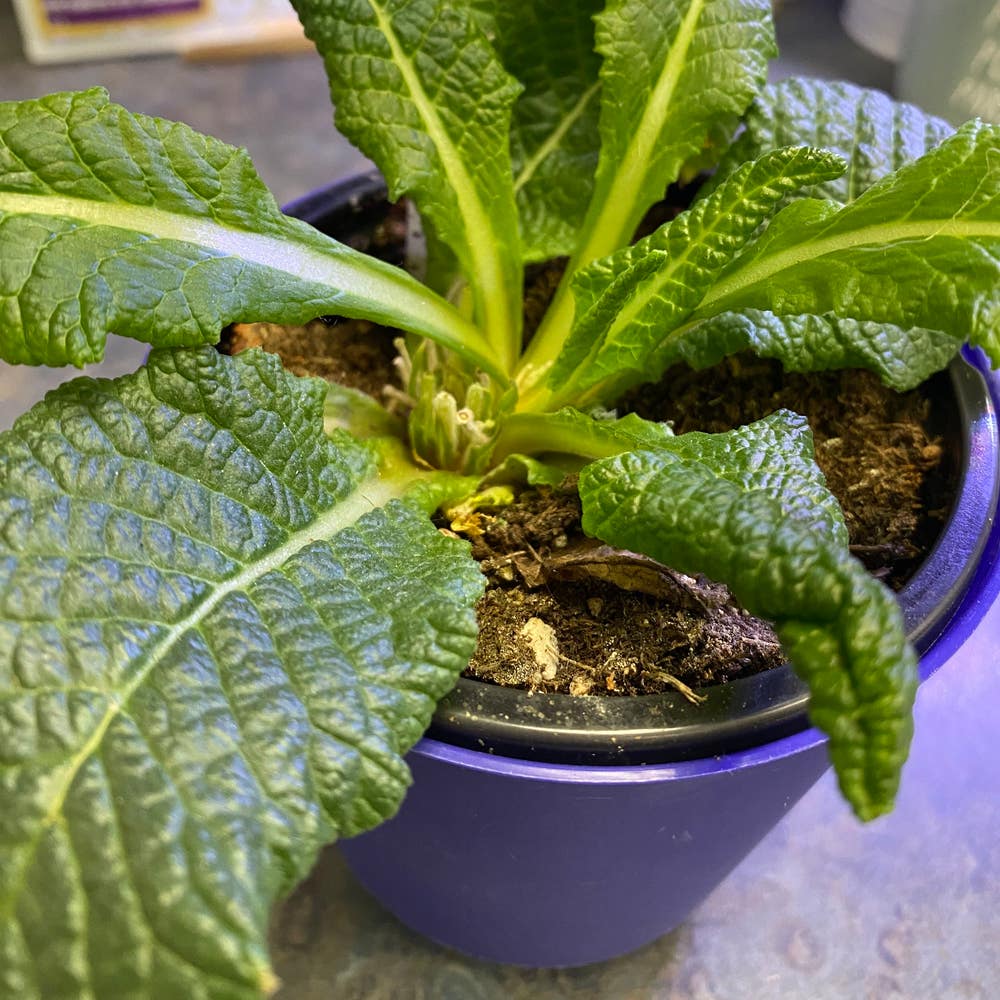
🌸 When and How to Repot Your Double Primrose
Primula vulgaris 'Double'
By the Greg Editorial Team
Oct 15, 2024•7 min read
This article was created with the help of AI so we can cover more plants for you. May contain errors. See one? Report it here.
Revitalize your Double Primrose 🌱 by spotting the signs it needs repotting and taking action today!
- 🌱 Repot when roots emerge from drainage holes or growth stalls; it's root-bound!
- 🌼 Optimal repotting time is early spring, right after blooming for minimal stress.
- 💧 Use well-draining soil and ensure proper pot size to prevent root issues.
Signs That Your Double Primrose Needs Repotting
🌱 Physical Indicators
One of the first signs that your Double Primrose needs repotting is when roots start emerging from the drainage holes. This indicates the plant is root-bound and needs more space to thrive.
Another clear indicator is stunted growth. If you notice a lack of new leaves or flowers despite providing proper care, it’s time to consider a new pot.
Additionally, if the soil dries out too quickly, this suggests that the plant has outgrown its pot. A healthy Double Primrose should retain moisture adequately.
🌍 Environmental Factors
Keep an eye out for yellowing leaves, as this may indicate poor soil quality or root issues. Healthy foliage is a sign that your plant is happy and thriving.
Frequent wilting is another red flag. If your Double Primrose struggles to absorb water, it’s likely time for a repotting session to rejuvenate its environment.
Recognizing these signs early can make a significant difference in the health of your plant. Addressing these issues promptly will help ensure your Double Primrose continues to flourish.
Next, let’s explore the best time of year to repot your Double Primrose for optimal results.
Best Time of Year to Repot
🌱 Seasonal Considerations
The best time to repot your Double Primrose is early spring. This timing aligns with the plant's active growth phase, allowing it to recover quickly and thrive.
Another great opportunity is right after the blooming period. Repotting then minimizes disruption to flowering, ensuring your plant continues to flourish.
🌡️ Temperature and Conditions
Aim for a temperature range of 15°C to 20°C (59°F to 68°F) when repotting. This range supports healthy root development and minimizes stress on the plant.
Avoid repotting during extreme heat or cold. Such conditions can shock your Double Primrose, leading to poor growth or even plant decline.
By choosing the right time and conditions, you set your Double Primrose up for success. Next, let’s dive into the step-by-step guide for repotting!
Step-by-Step Guide to Repotting
Repotting your Double Primrose can seem daunting, but with a clear plan, it’s a straightforward process. Follow these steps to ensure your plant thrives in its new home.
🛠️ Preparation
Gather Materials: Start by collecting a new pot, quality potting soil, and your tools—like a trowel and gloves. Having everything on hand makes the process smoother.
Choose the Right Pot Size: Select a pot that is 1-2 inches larger in diameter than the current one. This gives your plant room to grow without overwhelming it.
🚪 Removal from Current Pot
Water the Plant: Water your Double Primrose a day before repotting. This helps loosen the soil and makes removal easier.
Loosen the Soil: Gently squeeze the sides of the pot to free the roots and soil. This step is crucial for a smooth transition.
Slide the Plant Out: Carefully support the base of the plant as you slide it out. Handle it gently to avoid damaging the roots.
🌱 Potting Process
Add Potting Soil: Place a layer of potting soil at the bottom of the new pot. This provides a solid foundation for your plant.
Position the Plant: Center the plant in the pot, ensuring the crown is level with the soil surface. This helps maintain its health and stability.
Fill Around the Roots: Add potting soil around the roots, gently pressing down to eliminate air pockets. This ensures good contact between the roots and soil.
Water Thoroughly: After potting, give your plant a good drink. This helps settle the soil and provides moisture for the roots.
By following these steps, you’ll set your Double Primrose up for success in its new pot. Next, let’s explore the best pot material options to enhance your plant’s growth.
Pot Material Options
🌱 Benefits of Terracotta Pots
Terracotta pots are a gardener's best friend when it comes to breathability. Their porous nature allows for better air circulation to the roots, which is essential for healthy growth.
Additionally, these pots help regulate moisture levels, preventing overwatering. This is particularly important for plants like the Double Primrose, which thrive in well-drained conditions.
🥤 Advantages of Plastic Pots
Plastic pots offer a lightweight and easy-to-handle alternative. They are especially beneficial for those who frequently rearrange their plants or have limited strength.
Moreover, plastic retains moisture longer, making them a good choice in drier conditions. This can be a lifesaver during hot summer months when your Double Primrose needs consistent hydration.
🚫 When to Avoid Ceramic Pots
While ceramic pots can be visually appealing, they come with drawbacks. Their heavy weight can make them cumbersome to move, and they often retain too much moisture, leading to root rot.
Another concern is that many ceramic pots lack adequate drainage holes. For a plant like the Double Primrose, proper drainage is critical to avoid waterlogged roots.
🌍 Comparison of Biodegradable Pots
Biodegradable pots are an eco-friendly option made from natural materials. They provide good drainage and air circulation, making them suitable for various plants.
However, they do have their downsides. In particularly moist conditions, these pots may degrade too quickly, potentially compromising the health of your Double Primrose.
Understanding the pros and cons of each pot material can help you make an informed choice. This ensures your Double Primrose has the best environment for thriving growth.
Next, let’s explore the ideal potting soil and drainage options to further support your plant’s health.
Ideal Potting Soil and Drainage
Best Potting Mix 🌱
To keep your Double Primrose thriving, use a well-draining potting mix. A blend of peat, perlite, and compost works wonders, providing both nutrients and aeration.
pH Level ⚖️
Aim for a slightly acidic to neutral pH level, ideally between 6.0 and 7.0. This range supports optimal nutrient absorption for your plant.
Importance of Drainage 🚰
Good drainage is crucial for preventing root rot, a common issue for Double Primrose. Ensure that at least one-third of your pot consists of drainage material, like gravel, to promote healthy roots.
How to Amend Soil for Optimal Growth ✨
To enhance your potting mix, consider adding perlite or sand. These materials improve drainage and aeration, allowing roots to breathe.
Incorporating organic matter is another great strategy. It boosts nutrient retention, ensuring your plant gets the nourishment it needs to flourish.
With the right soil and drainage, your Double Primrose will be set for success. Next, let’s explore common repotting mistakes to avoid, ensuring your plant remains healthy and vibrant.
Common Repotting Mistakes to Avoid
🪴 Overpotting vs. Underpotting
Choosing the right pot size is crucial for your Double Primrose's health. Overpotting can lead to excess moisture retention, which may cause root rot, while underpotting restricts root growth and nutrient uptake.
🛠️ How to Avoid Root Damage
When repotting, handle the roots gently to prevent tearing or breaking. Always use clean, sharp tools to minimize the risk of infection and ensure a smooth transition for your plant.
🚨 Signs of Stress After Repotting and How to Address Them
After repotting, watch for signs of stress like wilting or yellowing leaves. If you notice these symptoms, adjust your watering routine and light exposure to help your plant recover.
Slow growth can also indicate issues. Ensure you're using the proper pot size and soil conditions to support your Double Primrose's needs.
By avoiding these common mistakes, you can help your Double Primrose thrive in its new home. Next, let’s explore the ideal potting soil and drainage options for optimal growth.
⚠️ Safety First
This content is for general information and may contain errors, omissions, or outdated details. It is not medical, veterinary advice, or an endorsement of therapeutic claims.
Always consult a qualified healthcare professional before using any plant as food, medicine, or supplement.
Never eat any plant (or feed one to pets) without confirming its identity with at least two trusted sources.
If you suspect poisoning, call Poison Control (800) 222-1222, the Pet Poison Helpline (800) 213-6680, or your local emergency service immediately.
Spotted an error? Please report it here.
Transform your Double Primrose into a blooming beauty 🌼 by using Greg's tailored reminders and expert tips to master the art of repotting!