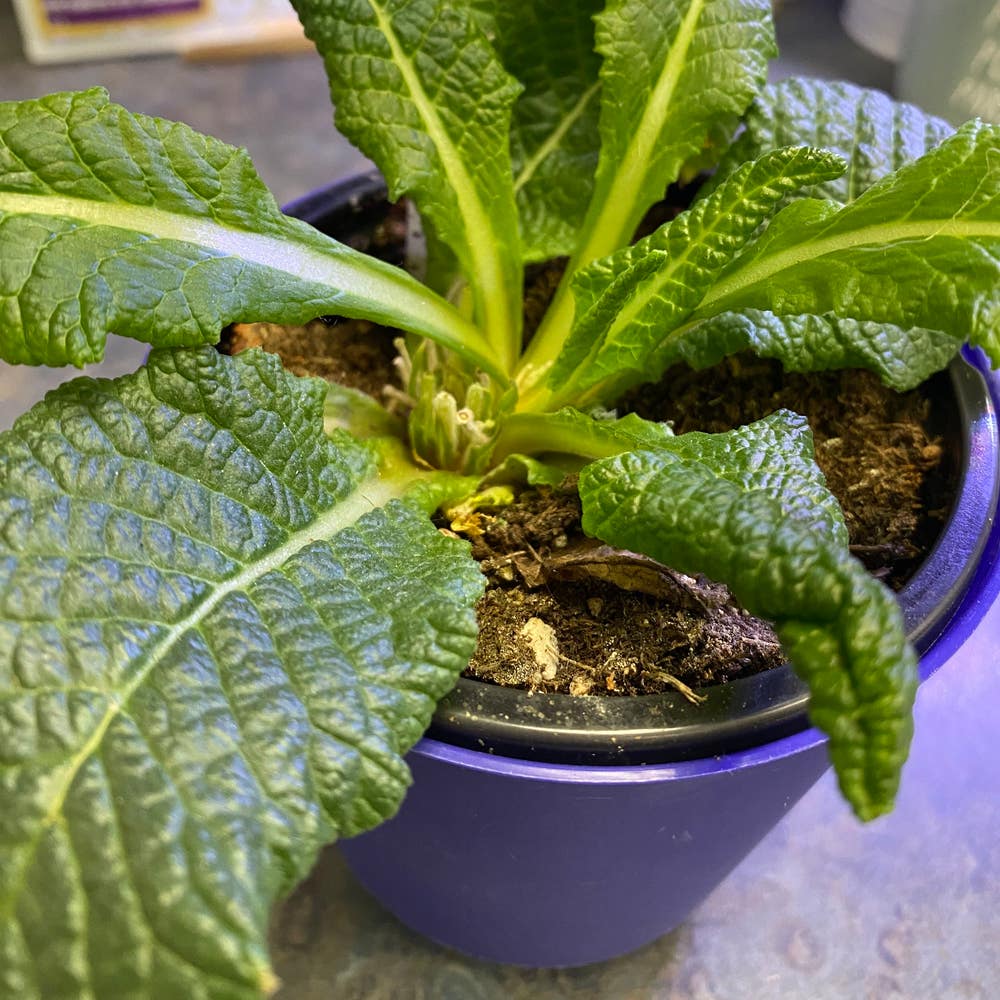
🌸 How to Fix Black Spots on Your Double Primrose
Primula vulgaris 'Double'
By the Greg Editorial Team
Oct 15, 2024•5 min read
This article was created with the help of AI so we can cover more plants for you. May contain errors. See one? Report it here.
Transform your garden 🌼 by mastering care tips to keep your Double Primrose vibrant and free from black spots!
- 🌤️ Double Primrose thrives in partial shade; assess light conditions for optimal growth.
- 💧 Moderate humidity prevents fungal diseases; avoid excessive moisture to combat black spots.
- 🐛 Regular pest inspections are crucial; catch infestations early to protect your plants.
Diagnosing the Problem
Assessing Environmental Conditions 🌤️
Understanding the environmental conditions is crucial for the health of your Double Primrose. These plants thrive in partial shade, which protects them from the harsh midday sun.
Humidity plays a significant role as well. Ideally, Double Primrose prefers moderate humidity; too much moisture can lead to fungal diseases that cause those pesky black spots.
Temperature fluctuations can also impact plant health. Sudden changes can stress the plant, making it more susceptible to infections.
Checking for Pests and Their Impact 🐜
Pests can wreak havoc on your Double Primrose. Common culprits include aphids and spider mites, which can exacerbate leaf problems and contribute to black spots.
Look for signs of infestation, such as yellowing leaves, webbing, or sticky residue on the leaves. These indicators can help you catch a problem before it spirals out of control.
For pest control, consider organic options like insecticidal soap or neem oil. Preventative measures, such as regular inspections, can also keep these pests at bay.
Evaluating Watering Practices and Soil Conditions 💧
Watering practices are vital for maintaining healthy Primrose plants. It's essential to find the right balance; overwatering can lead to root rot, while underwatering can stress the plant.
Ensure your soil has good drainage. Well-draining soil is crucial to prevent water from pooling around the roots, which can cause serious issues.
Consider the soil composition as well. A mix of organic matter and well-draining soil types can provide the optimal environment for your Double Primrose to flourish.
By diagnosing these issues early, you can take proactive steps to ensure your Double Primrose remains healthy and vibrant. Next, we’ll explore effective treatment options to tackle those black spots head-on.
Treatment Options
🌱 Organic Fungicides and Their Application
Organic fungicides are a powerful ally in combating black spots on your Double Primrose. Common options include neem oil, sulfur, and baking soda solutions, each with unique properties that help fight fungal infections.
Application Methods
Timing is crucial for effectiveness. Apply these fungicides during the early morning or late afternoon to avoid direct sunlight, which can diminish their potency. Generally, a bi-weekly application is recommended for optimal results.
Safety Precautions
Always prioritize safety when using fungicides. Ensure proper ventilation and wear gloves to protect your skin. Additionally, avoid applying during windy conditions to prevent drift onto other plants.
🏡 Homemade Remedies for Black Spots
You don't always need to reach for commercial products; common household ingredients can also work wonders. For instance, a milk spray or vinegar solution can effectively treat black spots without harsh chemicals.
Application Techniques
To apply homemade remedies, use a spray bottle for even coverage. Focus on the affected areas, ensuring the leaves are thoroughly coated. Repeat the application every few days for the best results.
Efficacy and Limitations
While homemade remedies can be effective, they may not work in severe cases. If symptoms persist after a few applications, it might be time to consult a professional for more robust treatment options.
✂️ Pruning Affected Leaves
Pruning is an essential step in restoring your Double Primrose's health. The best time to prune is during the early growing season when the plant is actively recovering.
Pruning Techniques
Use sharp, clean tools to make precise cuts. This minimizes stress on the plant and reduces the risk of further infection. Aim to remove all affected leaves to prevent the spread of disease.
Disposal of Infected Material
Proper disposal is crucial. Avoid composting infected leaves; instead, seal them in a plastic bag and discard them. This helps prevent the spread of disease to other plants in your garden.
As you implement these treatment options, remember that consistent care is key. Transitioning to preventive measures will help ensure your Double Primrose thrives in the long run.
Preventive Measures
💧 Best Watering Practices for Double Primrose
Watering your Double Primrose correctly is crucial for its health. Aim for a consistent schedule that maintains moisture without causing waterlogging.
Drip irrigation is often the best choice, delivering water directly to the roots. This method minimizes leaf wetness, reducing the risk of disease compared to overhead watering.
🌱 Soil Preparation and Drainage Techniques
Proper soil preparation can make a significant difference in your Primrose's health. Consider adding organic matter like compost to improve drainage and fertility.
To test soil drainage, dig a small hole and fill it with water. If it drains within a few hours, your soil is in good shape; if not, you may need to amend it further.
🦠 Choosing Disease-Resistant Varieties
Selecting disease-resistant varieties of Primula vulgaris can save you a lot of trouble. Look for hybrids specifically bred to withstand common ailments.
Local adaptation is key. Choose plants that thrive in your specific environmental conditions for the best results.
By implementing these preventive measures, you can significantly enhance the resilience of your Double Primrose. This proactive approach will help you enjoy vibrant blooms while minimizing the risk of black spots.
Next, let’s explore seasonal considerations to keep your plants healthy year-round.
Seasonal Considerations
🌱 Care During the Growing Season
Regular inspections are crucial during the growing season. Keep an eye out for any signs of disease, as early intervention can make a significant difference.
Fertilization is also key to supporting healthy growth. Use balanced fertilizers at the right times to ensure your Double Primrose thrives.
❄️ Winter Care to Prevent Black Spots
As winter approaches, protecting your plants from frost becomes essential. Mulching and covering techniques can safeguard your Double Primrose from harsh conditions.
Adjusting your watering practices is equally important during dormancy. Reduce the frequency of watering to prevent root rot and other moisture-related issues.
🔍 Monitoring for Signs of Disease in Different Seasons
Seasonal changes require you to adapt your care practices. Be vigilant and adjust your strategies based on the specific needs of your plants as conditions evolve.
Record-keeping is a valuable tool for any gardener. Tracking symptoms and treatments helps you learn from past experiences and improve your care for future seasons.
By staying proactive and attentive, you can ensure your Double Primrose remains healthy and vibrant throughout the year. Next, let’s explore preventive measures to keep your plants thriving.
⚠️ Safety First
This content is for general information and may contain errors, omissions, or outdated details. It is not medical, veterinary advice, or an endorsement of therapeutic claims.
Always consult a qualified healthcare professional before using any plant as food, medicine, or supplement.
Never eat any plant (or feed one to pets) without confirming its identity with at least two trusted sources.
If you suspect poisoning, call Poison Control (800) 222-1222, the Pet Poison Helpline (800) 213-6680, or your local emergency service immediately.
Spotted an error? Please report it here.
Keep your Double Primrose vibrant and healthy 🌼 by using Greg's tailored watering reminders and pest alerts to prevent black spots and ensure optimal growth!