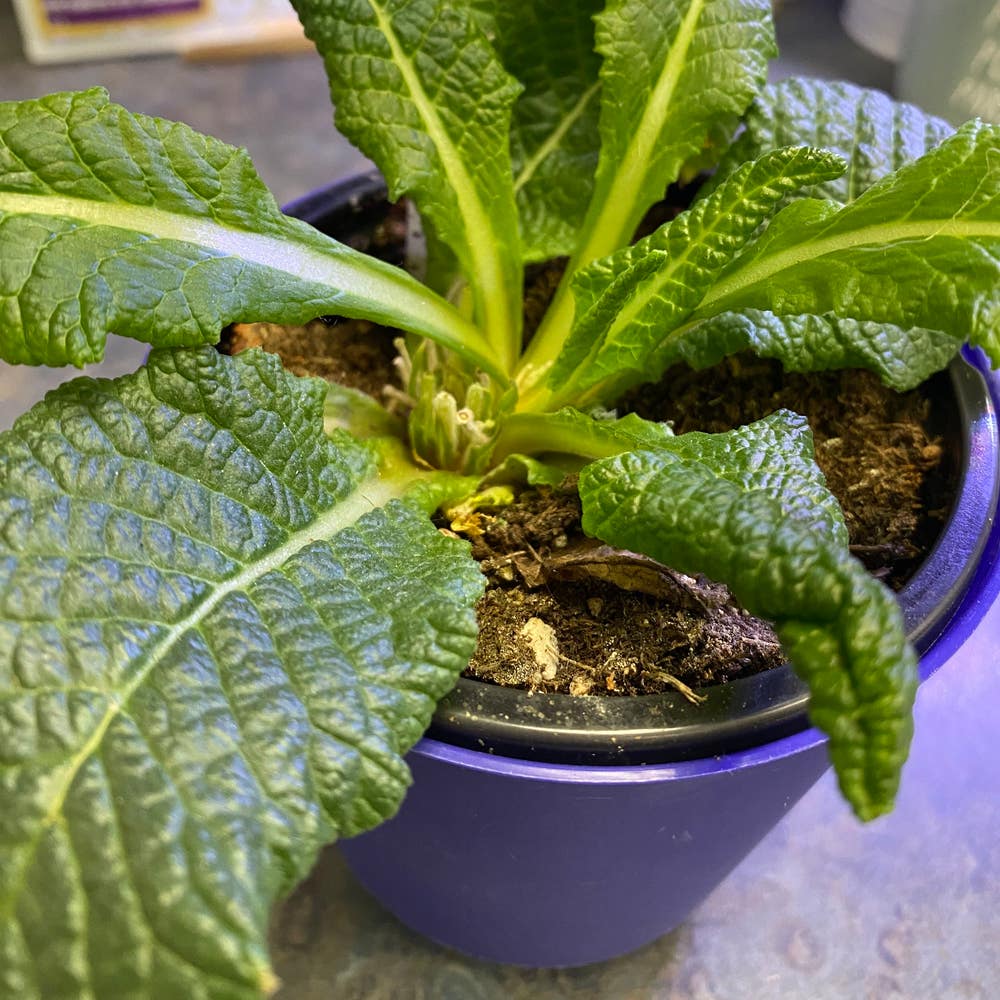
Best Potting Soil Mix for Double Primrose
Primula vulgaris 'Double'
By the Greg Editorial Team
Oct 15, 2024•5 min read
This article was created with the help of AI so we can cover more plants for you. May contain errors. See one? Report it here.
Unlock vibrant double primrose blooms by mastering soil health! 🌱 Your garden will thank you! 🌼
- 🌱 Healthy soil signs include no mold, proper moisture, and good texture for double primrose.
- 🧪 Maintain pH between 6.0-7.0 for optimal nutrient absorption in double primrose.
- 🏺 Create a perfect mix: 50% potting soil, 30% compost, 20% perlite or sand.
Identifying Unhealthy Soil
Signs of Unhealthy Soil 🌱
Moldy Soil
Moldy soil can be a gardener's nightmare. Look for a white or gray mold on the surface, which often indicates overwatering or poor air circulation.
Compacted Soil
Compacted soil presents its own challenges. You’ll notice a hard, crusty surface that struggles to absorb water, leading to stunted growth and yellowing leaves.
How to Test Soil Health 🔍
To assess soil health, start with a visual inspection. Check for signs of mold, compaction, and moisture levels.
For a more detailed analysis, consider using soil test kits. These kits can help you assess nutrient levels and pH, giving you a clearer picture of your soil's condition.
Solutions for Moldy or Compacted Soil 🛠️
Moldy Soil Solutions
If you discover moldy soil, reducing your watering frequency is crucial. Additionally, improving air circulation—perhaps by using a fan—can help combat mold growth.
Compacted Soil Solutions
For compacted soil, aeration techniques are your best friend. Use a garden fork to loosen the soil, allowing for better water and nutrient absorption.
Incorporating drainage materials can also improve soil texture, making it more conducive to healthy plant growth.
By addressing these issues, you can create a thriving environment for your double primrose. Next, let’s explore the recommended soil pH levels for optimal growth.
Recommended Soil pH Levels for Optimal Growth
Maintaining the right soil pH is crucial for the health of your double primrose. The ideal pH range is between 6.0 and 7.0, which is slightly acidic to neutral.
🌱 Importance of pH on Nutrient Availability
Soil pH directly affects nutrient availability. When pH levels are optimal, your plants can absorb essential nutrients more effectively, leading to vibrant blooms and robust growth.
🔍 Testing Soil pH
To ensure your soil is within the right pH range, consider using pH meters or test kits. These tools provide accurate readings, helping you make informed decisions about soil amendments.
Understanding and managing soil pH is a key step in nurturing your double primrose. With the right pH, you're setting the stage for a flourishing garden.
Next, let’s explore how to create a homemade soil mix that perfectly suits your primrose's needs.
Creating a Homemade Soil Mix
🌱 Ingredients for a Perfect Primrose Soil Mix
Creating the ideal soil mix for your double primrose is essential for vibrant growth. Start with these base ingredients:
- 50% high-quality potting soil: This provides a solid foundation rich in nutrients.
- 30% compost or well-rotted manure: This enhances nutrient content and promotes healthy microbial activity.
- 20% perlite or coarse sand: This ensures proper drainage, preventing waterlogging.
🛠️ Step-by-Step Guide to Mixing Soil
Mixing your own soil is straightforward and rewarding. Follow these easy steps:
- Gather materials: Collect potting soil, compost, and perlite or sand.
- Combine potting soil and compost: In a large container, mix these two ingredients thoroughly.
- Add perlite or sand: Gradually incorporate this for improved drainage, mixing well.
- Check texture: The final mix should be crumbly and well-aerated, promoting root health.
⚖️ Tips for Adjusting Soil Texture and pH
Fine-tuning your soil mix can make a significant difference. Here are some tips:
- Adjusting texture: If your mix feels too dense, add more perlite for better drainage. For moisture retention, incorporate additional compost.
- Adjusting pH:
- To lower pH, mix in sulfur or peat moss.
- To raise pH, use lime or wood ash.
By following these guidelines, you’ll create a soil mix that supports the thriving growth of your double primrose. With the right ingredients and adjustments, your plants will flourish beautifully.
Next, let’s explore soil amendments and enhancements to further boost your primrose's health.
Soil Amendments and Enhancements
🌱 Organic Amendments for Improving Soil Quality
To create a thriving environment for your double primrose, consider incorporating organic amendments.
- Compost: This powerhouse enhances nutrient content, providing essential elements for robust growth.
- Peat Moss: Known for its moisture retention capabilities, peat moss helps keep the soil consistently damp.
- Worm Castings: These little gems boost microbial activity, enriching the soil and promoting healthy root systems.
🌼 Recommended Fertilizers for Double Primrose
Choosing the right fertilizer is crucial for optimal growth.
- Balanced NPK (10-10-10): This all-purpose fertilizer supports general growth and flowering.
- Organic Options: Fish emulsion and seaweed extract are excellent choices for those preferring natural solutions.
For best results, apply fertilizers every 4-6 weeks during the growing season. This regular feeding schedule ensures your plants receive the nutrients they need to flourish.
🧑🌾 How to Incorporate Amendments into Existing Soil
Incorporating amendments into your existing soil can significantly enhance its quality.
- Top-Dressing: Simply spread your chosen amendments on the soil surface and water them in. This method is quick and effective.
- Tilling: For a more thorough approach, incorporate amendments into the top 6-8 inches of soil. This ensures even distribution and better integration.
By following these steps, you’ll create a nutrient-rich environment that supports the vibrant growth of your double primrose. Now that your soil is primed for success, let’s explore the best practices for transplanting and repotting these beautiful plants.
Transplanting and Repotting Considerations
🌱 Best Practices for Repotting Double Primrose
Timing is crucial when repotting Double Primrose. Aim for early spring or fall to minimize stress on the plant.
Choosing the right pot is equally important. Ensure it has adequate drainage holes to prevent waterlogging.
⏰ Timing for Transplanting and Soil Considerations
Watch for signs that it's time to transplant. If your plant is root-bound or showing poor growth, it’s time for a change.
When preparing soil for transplanting, always use fresh potting mix. This provides essential nutrients that your plant needs to thrive.
🧑🌾 How to Prepare Soil for New Plants
Pre-soaking the soil is a smart move. This helps ensure moisture retention before you plant.
Adding slow-release fertilizer is another key step. It provides a steady supply of nutrients for new growth, setting your Double Primrose up for success.
With these practices in mind, you’re well on your way to nurturing a vibrant Double Primrose. Next, let’s explore how to create the perfect homemade soil mix for optimal growth.
⚠️ Safety First
This content is for general information and may contain errors, omissions, or outdated details. It is not medical, veterinary advice, or an endorsement of therapeutic claims.
Always consult a qualified healthcare professional before using any plant as food, medicine, or supplement.
Never eat any plant (or feed one to pets) without confirming its identity with at least two trusted sources.
If you suspect poisoning, call Poison Control (800) 222-1222, the Pet Poison Helpline (800) 213-6680, or your local emergency service immediately.
Spotted an error? Please report it here.
Keep your double primrose thriving 🌱 by monitoring soil health and pH, and let Greg guide you with personalized tips and reminders for the perfect potting mix!