🌼 Double Primrose: Not an Invasive Plant
Primula vulgaris 'Double'
By the Greg Editorial Team
Oct 15, 2024•5 min read
This article was created with the help of AI so we can cover more plants for you. May contain errors. See one? Report it here.
Enhance your garden's beauty 🌼 and support local wildlife with the charming, non-invasive Double Primrose!
- 🌼 Double Primrose enhances gardens without invasive spreading, perfect for aesthetics and biodiversity.
- 🐝 Blooms in early spring, providing vital nectar for pollinators like bees and butterflies.
- 🌿 Thrives in various light conditions and supports local ecosystems, making it a versatile choice.
Growth Habits
Typical Patterns 🌼
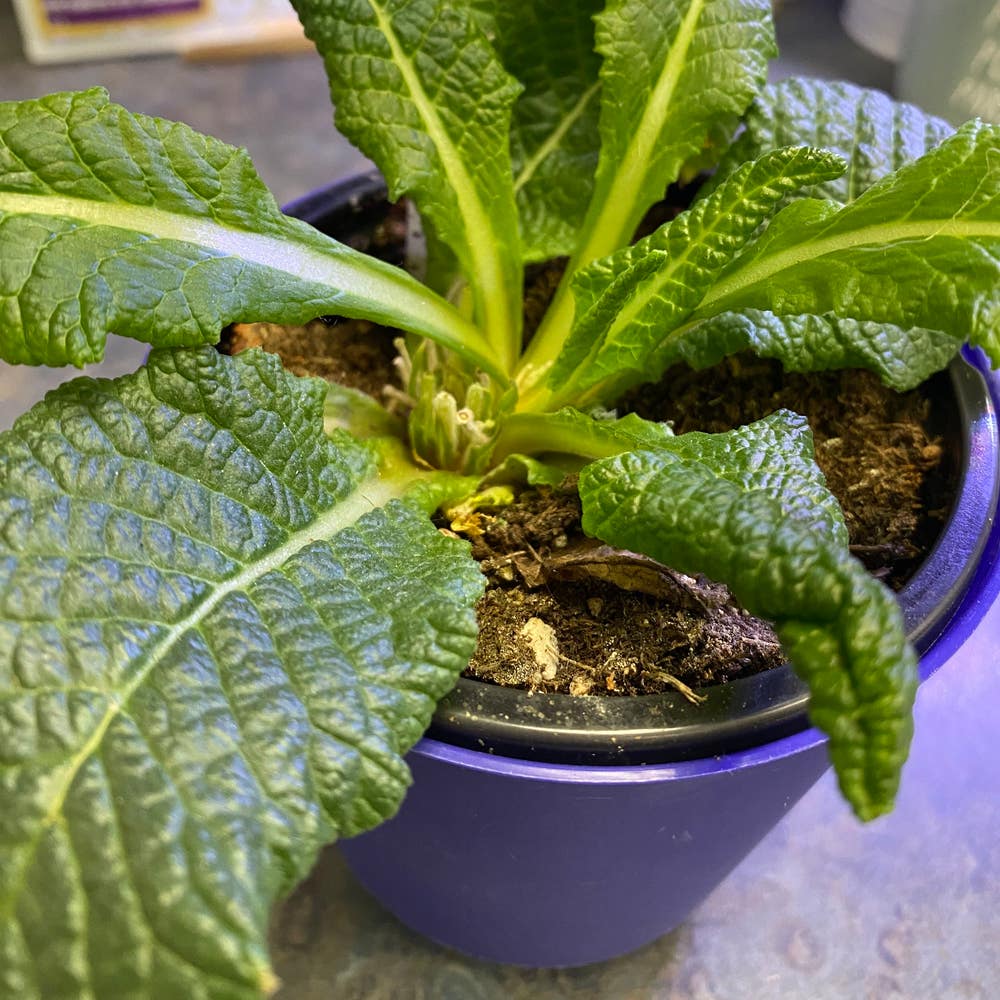
Double Primrose exhibits a charming clumping growth form, characterized by rosettes of lush green leaves. These plants typically reach heights of 12 to 18 inches, making them a delightful addition to any garden.
In early spring, they burst into bloom, offering essential nectar that attracts pollinators like bees and butterflies. This early flowering season is crucial for supporting local ecosystems as they awaken from winter.
Soil and Light Preferences 🌞
These plants thrive in moist, well-drained soil, making them perfect for areas that retain some moisture. They adapt well to various light conditions, flourishing in both partial shade and full sun.
Natural Limits 🚧
Despite their beauty, Double Primrose has a limited spread potential. Their clumping nature means they pose minimal risk of becoming invasive, allowing gardeners to enjoy them without worry.
They prefer cooler temperatures and may struggle in extreme heat or drought conditions. This makes them ideal for temperate climates, where they can truly shine.
Incorporating Double Primrose into your garden not only enhances its aesthetic appeal but also supports local wildlife. Next, let’s explore the ecological role these plants play in their environments.
Ecological Role
Benefits to Wildlife 🐝
Double Primrose is a true ally for your garden's ecosystem. It attracts beneficial insects like bees and butterflies, which are essential for effective pollination.
In addition, this plant provides early-season nectar, supporting local ecosystems during critical growth periods. By planting Double Primrose, you're not just beautifying your space; you're also contributing to the health of your local wildlife.
Interactions with Other Plants 🌿
This plant excels as a companion plant, enhancing biodiversity and supporting neighboring flora. Its presence can create a more vibrant garden environment.
Moreover, Double Primrose improves soil health through its root structure, benefiting surrounding plants. This means healthier plants all around, creating a thriving ecosystem that supports various forms of life.
As you consider incorporating Double Primrose into your garden, think about how it interacts with other plants. This can lead to a more resilient and diverse garden, setting the stage for a flourishing habitat.
Next, let’s explore how to effectively manage Double Primrose in your garden design.
Garden Management
Incorporation into Designs 🌼
Double Primrose is a fantastic choice for garden borders, rock gardens, or as ground cover in shaded areas. Its vibrant blooms and lush foliage can create a stunning visual impact while supporting local wildlife.
Pairing Double Primrose with other wildlife-friendly plants enhances biodiversity. Consider mixing it with species that bloom at different times to ensure a continuous display of color and support for pollinators.
Growth Control Methods 🌱
To keep your Double Primrose thriving, regular division every 3-4 years is essential. This practice maintains clump size and promotes healthy growth, ensuring your plants remain vibrant and full.
Deadheading spent flowers is another effective method to encourage further blooming. This simple task not only keeps your garden looking tidy but also prolongs the flowering season, adding to the overall aesthetic appeal.
By incorporating these management techniques, you can enjoy a flourishing garden that benefits both you and the local ecosystem. Next, let’s explore how Double Primrose compares to other plants in your garden.
Comparison to Other Plants
🌼 Similar Non-Invasive Options
When considering non-invasive perennial flowers, Hellebores and Primula vulgaris are excellent alternatives to Double Primrose. Hellebores typically bloom later in the season and feature larger, more dramatic flowers, while Primula vulgaris offers a range of vibrant colors but may not provide the same early-season nectar.
🌟 Unique Qualities
Double Primrose stands out with its distinctive clusters of flowers that bloom early in spring. This unique timing not only brightens up the garden but also supports pollinators when few other plants are available.
Additionally, its ability to thrive in partial shade makes it a versatile choice for various garden settings. Whether you're filling a shady nook or creating a vibrant border, Double Primrose fits seamlessly into your landscape.
In summary, while there are other non-invasive options, the Double Primrose's early bloom and adaptability truly set it apart. As you plan your garden, consider how this charming plant can enhance both aesthetics and ecological health.
Next, let's explore the legal and environmental considerations surrounding the planting of Double Primrose.
Legal and Environmental Considerations
📜 Classifications and Guidelines
When considering planting Double Primrose, it's essential to check local regulations. Some areas may have specific guidelines to ensure that non-invasive plants are promoted, helping to protect local ecosystems.
Sourcing your Double Primrose from reputable nurseries is crucial. This practice minimizes the risk of introducing pests or diseases into your garden, ensuring a healthy environment for both your plants and local wildlife.
🌱 Sustainable Gardening Practices
Incorporating non-invasive plants like Double Primrose is a cornerstone of sustainable gardening. These plants not only enhance your garden's beauty but also support local ecosystems by providing essential resources for wildlife.
Companion planting is another effective strategy. By pairing Double Primrose with other flora, you can create a vibrant, biodiverse garden that thrives and contributes positively to the environment. This approach fosters resilience and encourages a balanced ecosystem, making your garden a haven for both plants and pollinators.
As you plan your garden, remember that every choice counts. Embracing sustainable practices not only enriches your space but also nurtures the planet.
⚠️ Safety First
This content is for general information and may contain errors, omissions, or outdated details. It is not medical, veterinary advice, or an endorsement of therapeutic claims.
Always consult a qualified healthcare professional before using any plant as food, medicine, or supplement.
Never eat any plant (or feed one to pets) without confirming its identity with at least two trusted sources.
If you suspect poisoning, call Poison Control (800) 222-1222, the Pet Poison Helpline (800) 213-6680, or your local emergency service immediately.
Spotted an error? Please report it here.
Transform your garden with Double Primrose 🌸—a non-invasive beauty that supports local wildlife, and let Greg guide you with tailored care tips for thriving blooms!