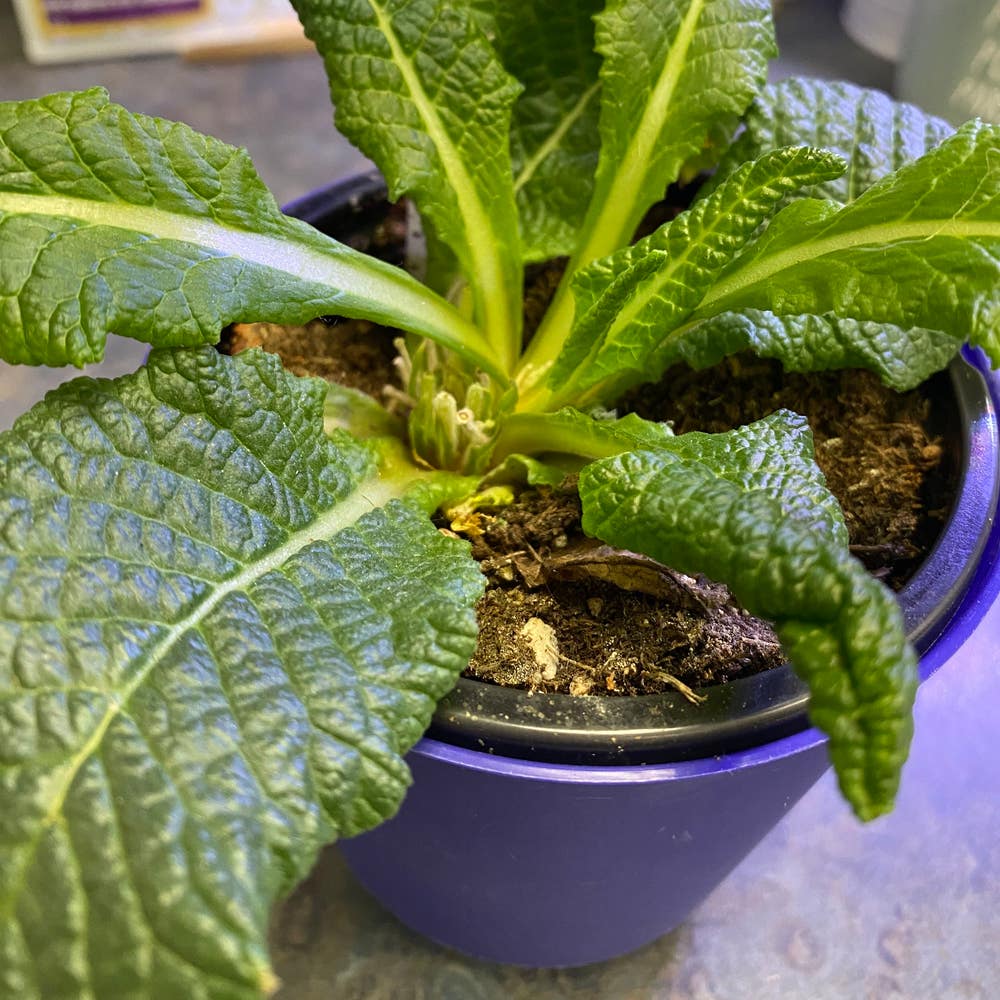
🌼 3 Perfect Plant Partners for Double Primrose
Primula vulgaris 'Double'
By the Greg Editorial Team
Oct 15, 2024•4 min read
This article was created with the help of AI so we can cover more plants for you. May contain errors. See one? Report it here.
Boost your garden's beauty and health 🌿 by pairing Double Primrose with ideal companion plants for pest control!
- 🌿 Hostas and Astilbe enhance Double Primrose's beauty while reducing weed competition.
- 🌼 Companion planting promotes natural pest control, ensuring a healthier garden ecosystem.
- 💧 Moisture-loving ferns retain soil moisture, benefiting the thriving Double Primrose.
Ideal Companion Plants
Hostas 🌿
Hostas are shade-loving perennials known for their large, lush foliage. They thrive in partial to full shade and prefer moist, well-drained soil, making them a perfect match for Double Primrose.
Hostas not only provide excellent ground cover but also help reduce weed competition. Additionally, they attract pollinators, enhancing the biodiversity of your garden.
Astilbe 🌸
Astilbe is a moisture-loving perennial that features stunning feathery flower plumes. This plant requires consistently moist soil and partial shade, aligning well with the needs of Double Primrose.
One of the standout benefits of Astilbe is its simultaneous blooming with Double Primrose, creating a visually appealing display. Moreover, it acts as a natural deterrent to pests like aphids, benefiting nearby plants.
Ferns 🍃
Ferns are delicate, shade-loving plants that add a unique texture to any garden. They thrive in rich, moist soil and prefer shaded areas, making them ideal companions for Double Primrose.
These plants not only complement the color and texture of Double Primrose but also help retain soil moisture. This moisture retention benefits all nearby plants, creating a healthier garden ecosystem.
With these ideal companion plants, your Double Primrose will flourish alongside vibrant Hostas, stunning Astilbe, and graceful Ferns. Next, let’s explore how these companions can aid in pest management.
Pest Management
🌱 Companion Plants and Pest Control
Companion planting is a powerful strategy for managing pests naturally. Many companion plants emit scents or produce compounds that repel unwanted insects, creating a healthier garden environment.
Additionally, certain plants attract beneficial insects that prey on pests. This natural pest control can significantly reduce the need for chemical interventions.
🐜 Specific Pests
Aphids
These tiny pests can wreak havoc on your plants, causing stunted growth and leaf curling. Keeping them at bay is crucial for the health of your Double Primrose.
Slugs
Slugs are notorious for feeding on leaves, leading to unsightly damage. Their presence can be particularly frustrating, but companion plants can help mitigate their impact.
🤝 Companion Strategies
Hostas and Astilbe are excellent allies in the fight against aphids. They attract beneficial insects that naturally control aphid populations, keeping your garden thriving.
Ferns also play a vital role by providing a habitat for predatory insects. These helpful critters can significantly reduce slug populations, ensuring your Double Primrose remains healthy and vibrant.
By strategically selecting companion plants, you can create a balanced ecosystem that supports your garden's health and beauty. This approach not only enhances your plants' resilience but also fosters a more biodiverse environment.
As we move forward, let’s explore how to enhance the visual appeal of your garden with these perfect plant partners.
Visual Appeal
Color and Texture Combinations 🌈
Hostas bring lush green leaves that create a stunning contrast with the vibrant blooms of Double Primrose. This combination not only enhances the garden's aesthetic but also adds depth to your planting scheme.
Astilbe contributes height and feathery texture, making it a fantastic partner for Double Primrose. The soft plumes of Astilbe elevate the visual interest, drawing the eye and creating a dynamic landscape.
Seasonal Interest 🌸
Double Primrose bursts into bloom in early spring, setting the stage for a colorful garden. As the season progresses, Astilbe takes over with its striking flowers in mid-summer, ensuring your garden remains lively.
Ferns add year-round greenery, providing a lush backdrop even when other plants are dormant. This consistent foliage helps maintain visual appeal throughout the seasons, making your garden a year-round delight.
With these companion plants, your garden will not only thrive but also captivate with its vibrant colors and varied textures. Now, let’s explore how these plants can also help manage pests effectively.
Plants to Avoid
🚫 Incompatible Plants
When planning your garden with Double Primrose, it's essential to steer clear of certain plants. Notably, lavender, rosemary, and other drought-tolerant herbs can create challenges.
❌ Reasons for Incompatibility
Drought-tolerant plants often compete fiercely for moisture. This can leave your Double Primrose struggling to thrive in its preferred moist environment.
Additionally, some herbs may attract pests that pose a threat to your Double Primrose. This disruption can upset the delicate balance of your garden ecosystem.
By avoiding these incompatible plants, you can ensure a healthier, more vibrant garden. This thoughtful selection will help your Double Primrose flourish alongside its ideal companions.
Next, let’s explore how to manage pests effectively in your garden.
⚠️ Safety First
This content is for general information and may contain errors, omissions, or outdated details. It is not medical, veterinary advice, or an endorsement of therapeutic claims.
Always consult a qualified healthcare professional before using any plant as food, medicine, or supplement.
Never eat any plant (or feed one to pets) without confirming its identity with at least two trusted sources.
If you suspect poisoning, call Poison Control (800) 222-1222, the Pet Poison Helpline (800) 213-6680, or your local emergency service immediately.
Spotted an error? Please report it here.
Boost your Double Primrose's beauty and health with perfect companions like Hostas and Astilbe, and let Greg's tailored care reminders ensure your garden thrives all season long! 🌱 Flourish!