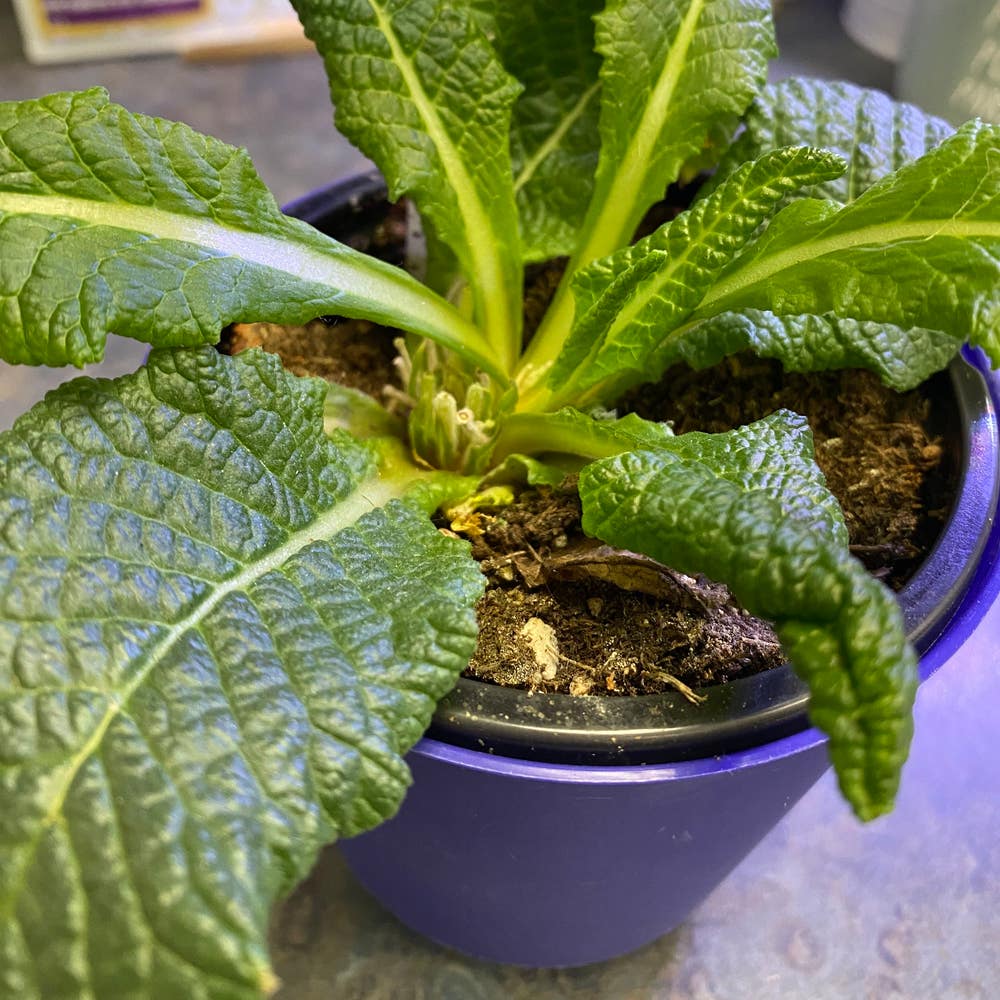
🌸 How to Fix Droopy Leaves on Your Double Primrose
Primula vulgaris 'Double'
By the Greg Editorial Team
Oct 15, 2024•6 min read
This article was created with the help of AI so we can cover more plants for you. May contain errors. See one? Report it here.
Transform your droopy Double Primrose 🌱 into a thriving beauty by mastering essential care tips and solutions!
- 🌧️💧 Droopy leaves indicate overwatering or underwatering; adjust your watering routine.
- 🌡️ Temperature extremes stress Double Primrose; maintain stable conditions for healthy growth.
- 🐛 Regularly check for pests and diseases to prevent droopy leaves and ensure vitality.
Common Causes of Droopy Leaves
Droopy leaves on your Double Primrose can be a sign of several underlying issues. Understanding these common causes is the first step toward reviving your plant.
💧 Overwatering: Root Rot and Its Effects on Leaf Health
Overwatering is a leading culprit behind droopy leaves. When the roots sit in waterlogged soil, they can develop root rot, leading to yellowing leaves and mushy stems.
🚰 Underwatering: Symptoms of Dehydration in Primrose
On the flip side, underwatering can also cause droopiness. If the soil feels dry and the leaves appear wilted or have crispy edges, your Primrose is signaling for hydration.
🌡️ Temperature Extremes: Effects of Heat and Cold on Leaf Structure
Temperature fluctuations can stress your plant. Extreme heat can cause leaves to droop, while cold drafts can lead to wilting, affecting the overall leaf structure.
🌱 Soil Moisture Issues: Importance of Well-Drained Soil
Well-drained soil is crucial for healthy Primrose leaves. Poor drainage can trap excess moisture, leading to root problems, while overly dry soil can starve the plant of necessary hydration.
Understanding these causes will help you diagnose and treat your Double Primrose effectively. Next, we’ll explore how to assess the problem accurately.
Diagnosing the Problem
🌧️ Assessing Soil Moisture Levels
Understanding soil moisture is crucial for your Double Primrose's health. You can use two simple techniques to check moisture levels effectively.
Finger Test
The finger test is straightforward: insert your finger into the soil up to your second knuckle. If the soil feels dry, it’s time to water.
Soil Moisture Meter
For a more precise reading, consider using a soil moisture meter. This tool provides accurate moisture levels, helping you avoid the pitfalls of over or underwatering.
🚰 Identifying Signs of Overwatering vs. Underwatering
Recognizing the symptoms of overwatering and underwatering can save your plant from further distress. Each condition has distinct indicators.
Overwatering Indicators
If your Double Primrose shows yellowing leaves, mushy stems, or a foul odor from the soil, it’s likely suffering from overwatering. These signs indicate root rot, which can be detrimental if not addressed quickly.
Underwatering Indicators
Conversely, underwatering manifests as wilting leaves, dry soil, and crispy leaf edges. If you notice these symptoms, your plant is signaling for more water.
🐛 Checking for Pests and Diseases
Pests and diseases can also contribute to droopy leaves. Regular checks can help you catch these issues early.
Common Pests Affecting Double Primrose
Aphids and spider mites are common culprits. Look for tiny insects on the leaves or webbing, which can indicate an infestation.
Common Diseases
Root rot and powdery mildew are diseases to watch for. Root rot often results from overwatering, while powdery mildew appears as white spots on leaves, indicating poor air circulation or humidity issues.
By diagnosing the problem accurately, you can take the necessary steps to restore your Double Primrose's vitality. Next, we’ll explore effective solutions to address droopy leaves and promote healthy growth.
Solutions for Droopy Leaves
🌊 Step-by-step guide to adjusting watering practices
Determine current watering schedule: Start by tracking how often you water your Double Primrose. This will help you identify if you're over or under-watering.
Adjust frequency based on soil moisture readings: Use your observations to modify your watering routine. If the soil feels dry a couple of inches down, it’s time to water.
Water thoroughly but allow for drainage: When you do water, ensure the soil is soaked but not waterlogged. Good drainage is key to preventing root rot.
🚰 How to improve soil drainage
Adding perlite or sand to soil mix: Mixing in perlite or sand can significantly enhance drainage. This helps prevent water from pooling around the roots.
Repotting in a container with drainage holes: If your current pot lacks drainage, consider repotting. A container with holes allows excess water to escape, keeping the roots healthy.
🌱 Fertilization tips for healthy leaves
Recommended fertilizers for Double Primrose: Use a balanced NPK fertilizer to provide essential nutrients. Look for a ratio like 10-10-10 and apply it during the growing season.
Signs of nutrient deficiency in leaves: Watch for yellowing leaves or stunted growth, which can indicate a lack of nutrients. Address these issues promptly to keep your Primrose thriving.
By implementing these solutions, you can revive your droopy Double Primrose and promote vibrant, healthy leaves. Next, let’s explore preventative measures to keep your plant in top shape year-round.
Preventative Measures
Best Practices for Light Exposure 🌞
Finding the right light conditions is crucial for your Double Primrose. Ideally, they thrive in bright, indirect light, benefiting from morning sun while avoiding the harsh afternoon rays.
Too much direct sunlight can scorch their leaves, leading to droopiness. Aim for a balance that keeps them healthy and vibrant.
Seasonal Care Tips to Prevent Droopiness 🌱
Adjusting your care routine with the changing seasons can make a significant difference. During winter dormancy, reduce watering and fertilization to prevent root stress.
As spring arrives, increase light exposure and moisture to support new growth. This seasonal shift is vital for keeping your Primrose thriving.
Regular Maintenance Routines 🛠️
Regular inspections are key to catching pests and diseases early. Make it a habit to check your plants weekly for any signs of trouble.
Pruning is another essential practice. Trim away any dead or yellowing leaves to promote healthy growth and improve air circulation. This simple step can make a world of difference in your plant's vitality.
By implementing these preventative measures, you can keep your Double Primrose healthy and vibrant, minimizing the risk of droopy leaves. Next, let’s explore how to monitor and adjust care effectively.
Monitoring and Adjusting Care
Signs to Watch for After Treatment 🌱
After you've made adjustments to your care routine, keep an eye out for signs of recovery in your Double Primrose. Look for new growth, which indicates that your plant is bouncing back.
Improved leaf turgor is another positive sign. Healthy leaves should feel firm and plump, rather than limp or droopy.
When to Seek Professional Help 🆘
Sometimes, despite your best efforts, droopiness can persist. If your Double Primrose continues to droop after you've made care adjustments, it may be time to consult an expert.
Severe pest infestations or diseases can also warrant professional intervention. Don't hesitate to reach out if you notice significant issues that you can't resolve on your own.
By staying vigilant and responsive to your plant's needs, you can ensure a thriving Double Primrose. Next, let’s explore preventative measures to keep those leaves perky and healthy!
⚠️ Safety First
This content is for general information and may contain errors, omissions, or outdated details. It is not medical, veterinary advice, or an endorsement of therapeutic claims.
Always consult a qualified healthcare professional before using any plant as food, medicine, or supplement.
Never eat any plant (or feed one to pets) without confirming its identity with at least two trusted sources.
If you suspect poisoning, call Poison Control (800) 222-1222, the Pet Poison Helpline (800) 213-6680, or your local emergency service immediately.
Spotted an error? Please report it here.
Revive your droopy Double Primrose with smart care 🌿 by using Greg's personalized reminders and moisture assessments to ensure your plant thrives!