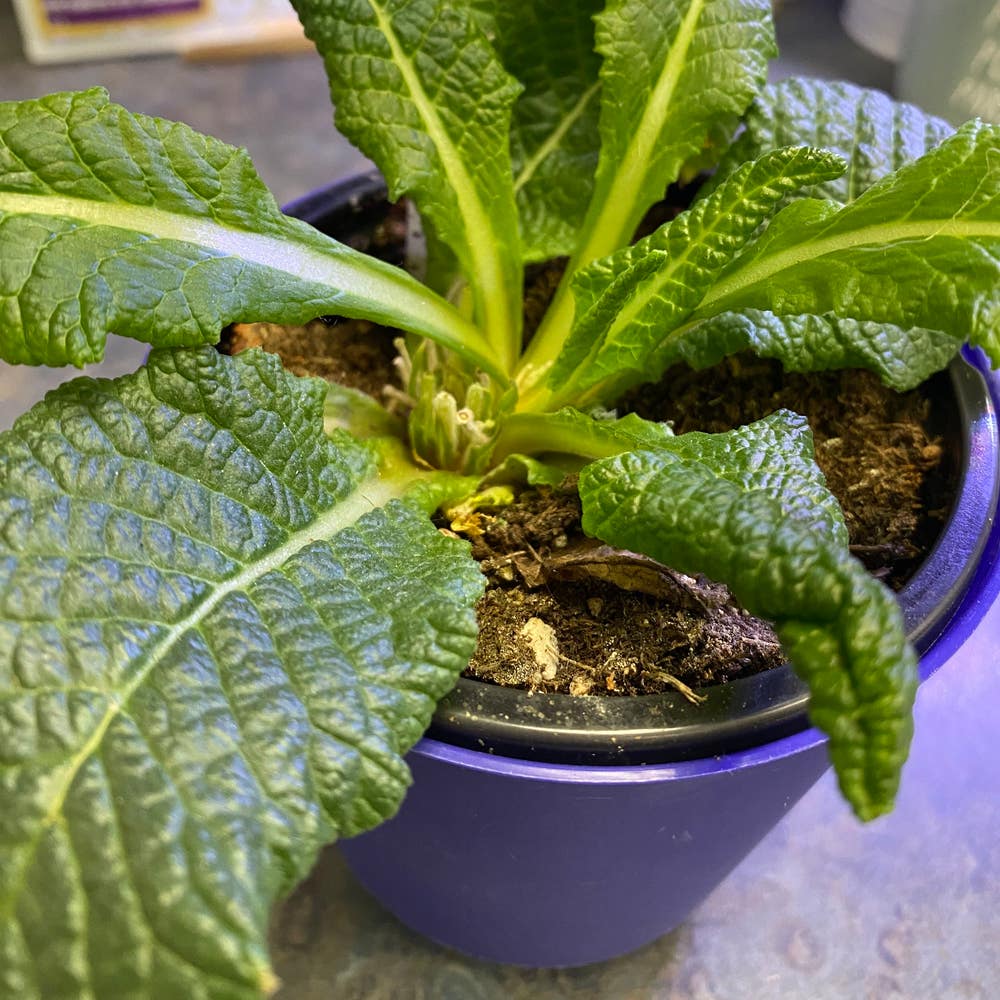
10 Essential Outdoor Double Primrose Care Routines 🌸
Primula vulgaris 'Double'
By the Greg Editorial Team
Oct 15, 2024•5 min read
This article was created with the help of AI so we can cover more plants for you. May contain errors. See one? Report it here.
Transform your garden with vibrant double primroses 🌼 by mastering their sunlight, watering, and soil needs!
- ☀️ Double primroses need 6 hours of sunlight for optimal growth and blooming.
- 💧 Water every 1-2 weeks, adjusting for rainfall to avoid over or underwatering.
- 🌱 Use well-draining soil with pH 6.0-7.0 for vibrant, healthy primroses.
Sunlight Needs
Ideal Sunlight Exposure 🌞
When it comes to outdoor double primrose care, understanding sunlight needs is crucial. These plants thrive in full sun, requiring at least 6 hours of direct sunlight daily for optimal growth.
In hotter climates, they also do well in partial shade, where they can enjoy dappled sunlight. This balance helps prevent stress and promotes healthy blooming.
Effects of Insufficient Light 🌑
Insufficient light can lead to several issues. You might notice stunted growth, fewer blooms, and a leggy appearance as the plant stretches toward the light.
Light is essential for photosynthesis, which fuels overall plant health. Without adequate sunlight, your double primrose won't reach its full potential, leaving you with a less vibrant garden.
Understanding these sunlight needs will set the stage for successful care routines. Next, let’s dive into the watering requirements to keep your plants thriving.
Watering Requirements
General Watering Guidelines 🌧️
Watering your outdoor double primrose is crucial for its health. Aim to water every 1-2 weeks, adjusting based on rainfall and temperature.
Keep the soil consistently moist, but avoid waterlogging. This balance is key to promoting vibrant growth and blooming.
Signs of Overwatering and Underwatering 🚨
Recognizing the signs of overwatering is essential. Look for yellowing leaves and root rot, which indicate too much moisture.
On the flip side, underwatering can lead to wilting, dry leaves, and stunted growth. Keeping an eye on these symptoms will help you maintain the perfect watering routine.
Understanding these watering requirements will set your double primrose up for success. Next, let’s explore the ideal soil preferences for optimal growth.
Soil Preferences
Ideal Soil Composition 🌱
For outdoor double primrose, the right soil is crucial. Aim for well-draining, moist soil enriched with organic matter to support healthy growth.
The pH level should be slightly acidic to neutral, ideally between 6.0 and 7.0. This range ensures that your plants can absorb nutrients effectively.
Soil Preparation Techniques 🛠️
To prepare your soil, consider amending it with compost or peat moss. These additions enhance drainage and boost nutrient content, creating a thriving environment for your primroses.
Don’t forget to test your soil pH! A simple soil test kit can help you confirm that your conditions are just right for optimal growth.
With the right soil in place, your double primrose will flourish, setting the stage for vibrant blooms. Next, let’s explore the fertilization techniques that will keep your plants nourished and thriving.
Fertilization Techniques
🌱 Types of Fertilizers
When it comes to fertilizing your outdoor double primroses, choosing the right type is crucial. Balanced NPK fertilizers, like the 10-10-10 formula, provide essential nutrients for robust growth.
For those leaning towards organic options, fish emulsion is a fantastic choice. It enriches the soil while being gentle on the environment.
📅 Fertilization Schedule
Timing your fertilization can make all the difference. Aim to fertilize in early spring as new growth begins and again in mid-summer to keep your plants thriving.
Always follow the package instructions for dosage and application techniques. This ensures your primroses receive just the right amount of nutrients without the risk of over-fertilization.
By maintaining a consistent fertilization routine, you’ll set your double primroses up for a vibrant and healthy growing season.
Next, let’s explore how to protect your plants from extreme weather conditions, ensuring they flourish year-round.
Weather Protection and Seasonal Care
Protecting from Extreme Weather Conditions 🌪️
Extreme weather can be tough on your outdoor double primrose. During hot spells, providing shade cloth can shield them from harsh sun rays, while mulching helps retain soil moisture.
When cold snaps hit, covering your plants with frost cloth or burlap can make a significant difference. This simple step protects them from frost damage and keeps them thriving.
Seasonal Care Adjustments 🌱
Spring: As new growth begins, it's time for pruning and fertilization. This rejuvenates your plants and sets them up for a vibrant season.
Summer: Increase your watering frequency during hot spells. Keep an eye out for pests, as they tend to be more active in warmer weather.
Fall: Mulch around the base of your plants to protect their roots. Applying slow-release fertilizer now ensures they have the nutrients they need for the colder months ahead.
Winter: During extreme cold, cover your double primrose with protective cloth. Also, monitor moisture levels to prevent them from drying out.
By adjusting your care routine with the seasons, you can ensure your outdoor double primrose remains healthy and vibrant year-round. Next, let’s dive into pest and disease management to keep your plants thriving!
Pest and Disease Management
🐜 Common Outdoor Pests
Outdoor double primroses can attract a few pesky pests.
Aphids
Aphids are small, soft-bodied insects that leave a sticky residue on leaves, often curling them. To control these nuisances, consider using neem oil or insecticidal soap, both effective and eco-friendly options.
Slugs and Snails
These slimy critters can create irregular holes in your primrose leaves. Handpicking them during the evening or setting up copper barriers can help keep them at bay.
🦠 Disease Prevention Strategies
Keeping your double primroses healthy means being aware of common diseases.
Powdery Mildew
This fungal disease appears as white powdery spots on leaves, often thriving in humid conditions. To combat it, ensure good air circulation around your plants.
Root Rot
Root rot is typically caused by overwatering, leading to soggy roots. To prevent this, ensure your soil has proper drainage and avoid letting your plants sit in water.
🛡️ General Prevention Tips
To maintain a healthy garden, rotate planting locations each season. This practice helps prevent the buildup of pests and diseases in the soil. Additionally, maintaining good air circulation around your plants can significantly reduce disease risk.
With these pest and disease management strategies, your outdoor double primroses will thrive. Next, let’s explore effective fertilization techniques to boost their growth even further.
⚠️ Safety First
This content is for general information and may contain errors, omissions, or outdated details. It is not medical, veterinary advice, or an endorsement of therapeutic claims.
Always consult a qualified healthcare professional before using any plant as food, medicine, or supplement.
Never eat any plant (or feed one to pets) without confirming its identity with at least two trusted sources.
If you suspect poisoning, call Poison Control (800) 222-1222, the Pet Poison Helpline (800) 213-6680, or your local emergency service immediately.
Spotted an error? Please report it here.
Keep your outdoor double primroses blooming beautifully 🌸 by using Greg's tailored watering reminders and soil tips to ensure they thrive all season long!