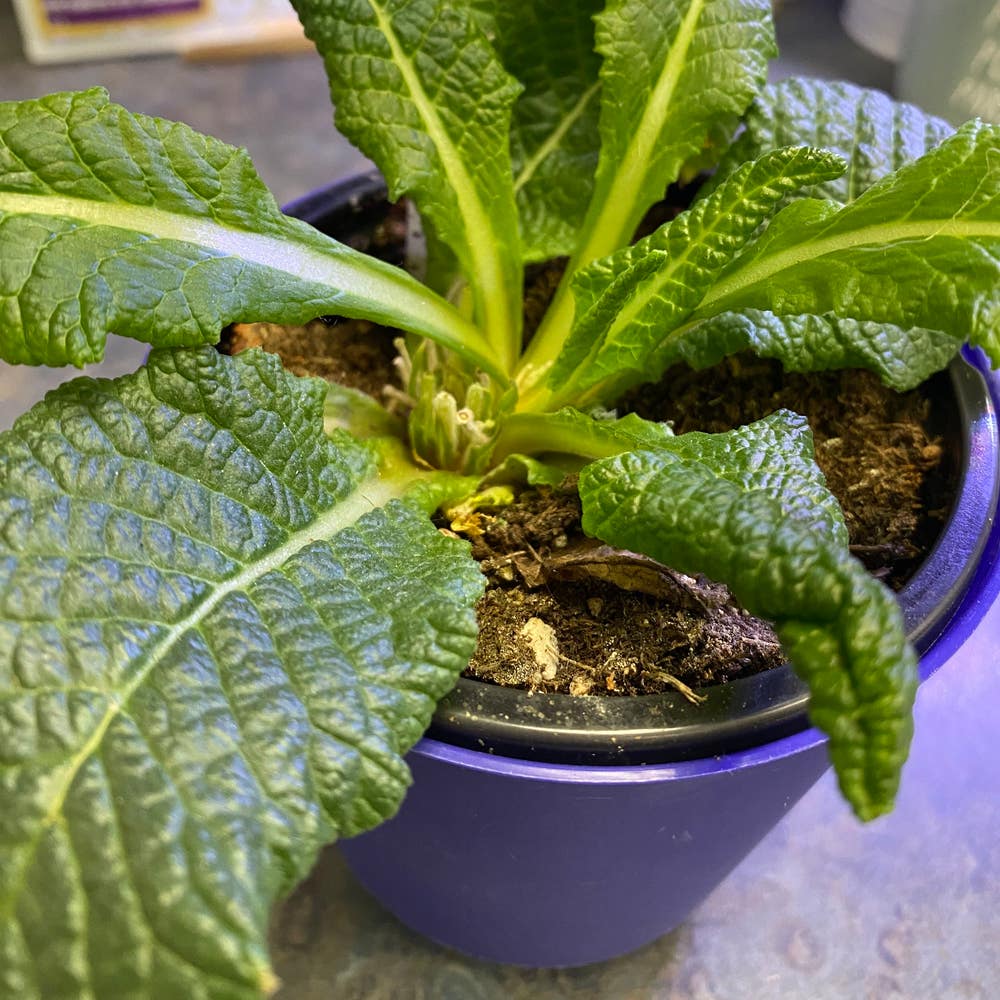
❄️ Optimal Hardiness Zones for Double Primrose: 4a-8b
Primula vulgaris 'Double'
By the Greg Editorial Team
Oct 15, 2024•4 min read
This article was created with the help of AI so we can cover more plants for you. May contain errors. See one? Report it here.
Master Double Primrose's temperature tolerance 🌼 for vibrant blooms and a flourishing garden all year round!
- 🌍 Double Primrose thrives in zones 4a-8b, tolerating temperatures from -30°F to 85°F.
- 🌞 Partial shade in warmer climates protects Double Primrose from heat stress and fungal diseases.
- 🌧️ Well-drained soil and consistent moisture are essential for vibrant blooms and plant health.
Double Primrose Temperature Tolerance
❄️ Cold Tolerance Specifics
Double Primrose is remarkably resilient, tolerating temperatures as low as -30°F (-34°C) in hardiness zone 4a. This cold tolerance allows it to survive light frosts, making it a champion for early spring blooms.
☀️ Heat Tolerance Specifics
On the warmer side, Double Primrose thrives in temperatures up to 85°F (29°C) in zone 8b. However, prolonged heat can stress the plant, affecting its growth and flowering potential.
🌡️ Ideal Temperature Ranges for Optimal Growth
For optimal growth, Double Primrose prefers a temperature range of 50°F to 70°F (10°C to 21°C). Maintaining consistent temperatures within this range is crucial for ensuring healthy blooms and overall plant vitality.
Understanding these temperature tolerances can help you create the perfect environment for your Double Primrose, enhancing its beauty and resilience. Next, let's explore the ideal growing regions for this stunning plant.
Ideal Growing Regions
🌍 Examples of US States in Zones 4a-8b
Double Primrose thrives across a range of hardiness zones, making it accessible to many gardeners. In zone 4a, you’ll find it flourishing in states like Minnesota, North Dakota, and parts of Wisconsin.
As you move to zones 5a-6b, states such as New York, Pennsylvania, and Ohio become ideal for this resilient plant. For those in warmer climates, zones 7a-8b include Virginia, North Carolina, and parts of California, where Double Primrose can also thrive.
🌱 Factors Contributing to Ideal Growing Conditions
To ensure your Double Primrose flourishes, pay attention to soil and light conditions. It prefers well-drained soil that maintains moderate moisture, which is crucial for its health.
Light is another important factor; in warmer regions, this plant thrives in partial shade. This helps protect it from the harshest sun while still allowing for adequate growth.
☀️ Regional Climate Characteristics Affecting Growth
The climate in these ideal regions plays a significant role in the health of Double Primrose. Key climate patterns include precipitation levels, humidity, and seasonal temperature variations.
These factors not only influence growth but also the blooming cycle of the plant. Consistent moisture and moderate temperatures create the perfect environment for vibrant blooms and robust health.
As you explore the best conditions for Double Primrose, consider how microclimates can further enhance its growth potential. Understanding these subtleties can lead to a flourishing garden filled with beautiful blooms.
Microclimates and Their Impact
🌍 Definition and Importance
Microclimates are localized climate variations that can significantly differ from the surrounding area. They are shaped by factors such as elevation, proximity to water, and urban heat islands, creating unique environments for plants like Double Primrose.
🌱 Extending Growing Range
Microclimates can enable Double Primrose to flourish beyond its typical hardiness zones. For instance, sheltered areas or south-facing slopes often provide warmer conditions, allowing these flowers to thrive even in less-than-ideal climates.
🌞 Beneficial Microclimates
Urban gardens often benefit from heat retention, creating a cozy environment for Double Primrose. Coastal areas enjoy moderated temperatures, while regions near water bodies maintain humidity and temperature stability, further supporting healthy growth.
Understanding microclimates can empower gardeners to maximize their growing potential. By recognizing these localized conditions, you can create the perfect environment for your Double Primrose, ensuring vibrant blooms and robust health.
Next, we’ll explore state-level suitability for Double Primrose, identifying where these beautiful plants can truly thrive.
State-Level Suitability Analysis
Suitable States for Double Primrose 🌼
Double Primrose thrives in a variety of climates, making it a versatile choice for gardeners in specific regions. States like Minnesota, Wisconsin, New York, Virginia, North Carolina, and California fall within the optimal hardiness zones of 4a to 8b.
These states offer the right balance of temperature and moisture, crucial for the health of Double Primrose. Their climate patterns support the plant's growth, allowing for vibrant blooms and lush foliage.
Unsuitable States and Challenges 🚫
While Double Primrose flourishes in many areas, some states pose challenges. Florida, Texas, and Arizona are generally unsuitable due to their extreme heat and humidity.
These conditions can stress the plant, making it difficult for it to thrive. The lack of frost tolerance in these regions further complicates its growth cycle.
Specific Challenges in Unsuitable States ⚠️
In unsuitable states, high temperatures can lead to wilting and stunted growth. Humidity often invites fungal diseases, which can devastate the plant.
Additionally, the absence of frost periods disrupts the natural dormancy that Double Primrose requires. This can hinder its blooming cycle, leaving gardeners disappointed.
Understanding these factors can help you make informed decisions about where to plant Double Primrose. With the right conditions, you can enjoy a flourishing garden filled with these beautiful flowers.
⚠️ Safety First
This content is for general information and may contain errors, omissions, or outdated details. It is not medical, veterinary advice, or an endorsement of therapeutic claims.
Always consult a qualified healthcare professional before using any plant as food, medicine, or supplement.
Never eat any plant (or feed one to pets) without confirming its identity with at least two trusted sources.
If you suspect poisoning, call Poison Control (800) 222-1222, the Pet Poison Helpline (800) 213-6680, or your local emergency service immediately.
Spotted an error? Please report it here.
Grow vibrant Double Primrose blooms 🌸 by using Greg's tailored care reminders to navigate its ideal hardiness zones and environmental needs!