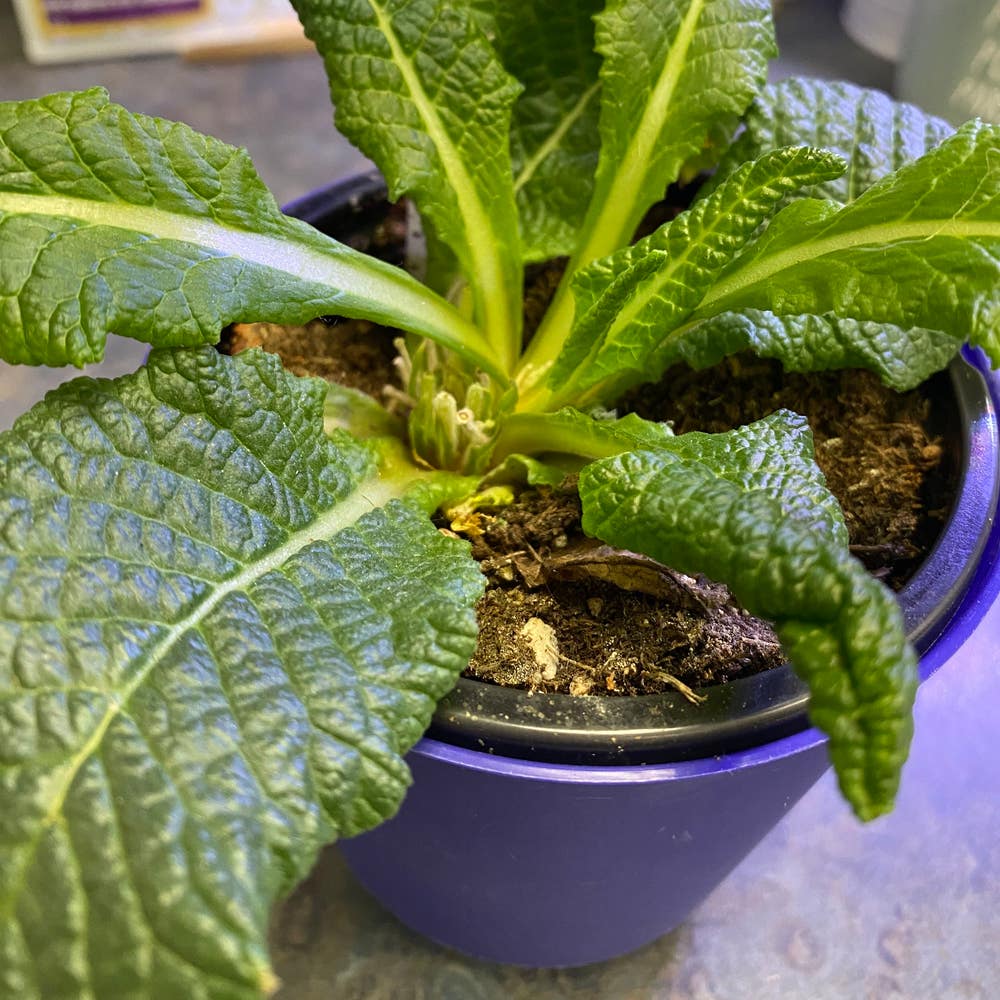
What to Do About Dropping Leaves on Your Double Primrose 🌸
Primula vulgaris 'Double'
By the Greg Editorial Team
Oct 15, 2024•6 min read
This article was created with the help of AI so we can cover more plants for you. May contain errors. See one? Report it here.
Ensure your Double Primrose flourishes 🌱 by mastering essential tips to diagnose and prevent leaf drop issues!
- 💧 Overwatering causes yellow leaves and mushy roots; allow soil to dry out.
- 🌞 Bright, indirect light is essential; insufficient light leads to leggy growth and leaf drop.
- 🐛 Regular pest inspections are crucial; early detection prevents serious damage.
Diagnosing Leaf Drop Issues
🌊 Identifying Signs of Overwatering
To determine if your Double Primrose is overwatered, perform a simple soil moisture test. Stick your finger into the soil; if it feels soggy, it’s time to cut back on watering.
Visual indicators are also crucial. Look for yellowing leaves and mushy roots, which signal that your plant is drowning.
💧 Recognizing Signs of Underwatering
Conversely, underwatering can be just as harmful. If the soil feels dry and crumbly when you check it, your plant needs more water.
You might also notice crispy leaf edges and drooping leaves, both clear signs that your Double Primrose is thirsty.
🐛 Checking for Pests and Diseases
Regular inspections are essential for maintaining plant health. Check the leaves and stems for any pests that could be causing trouble.
Additionally, watch for signs of disease, such as discoloration, wilting, or a foul odor coming from the soil. These symptoms can indicate serious issues that need immediate attention.
🧪 Soil Testing for Nutrient Levels
Understanding your soil's nutrient levels is vital for your plant's health. Use recommended soil test kits to analyze pH and nutrient content.
Adjusting your fertilization based on these results can make a significant difference in your plant's vitality.
☀️ Assessing Light Conditions
Light exposure plays a crucial role in your Double Primrose's well-being. Ideally, it should receive bright, indirect light for optimal growth.
If you notice leggy growth or leaf drop, it may be a sign that your plant isn’t getting enough light. Adjusting its position can help restore its health.
By diagnosing these leaf drop issues, you can take proactive steps to ensure your Double Primrose thrives. Next, let’s explore preventive measures to keep your plant healthy and vibrant.
Preventive Measures
Proper Watering Techniques 🌊
Watering your Double Primrose correctly is crucial. Allow the top inch of soil to dry out between waterings to prevent overwatering.
Water thoroughly until it drains from the bottom. This ensures that the roots receive adequate moisture without sitting in soggy soil.
Soil Selection and Drainage Tips 🪴
Choosing the right soil is essential for healthy growth. A well-draining potting mix with perlite is recommended to promote airflow and prevent root rot.
Make sure your pots have drainage holes. This prevents water accumulation, which can lead to serious issues.
Fertilization Schedule and Types 🌱
Fertilization plays a key role in plant health. Use a balanced NPK fertilizer (10-10-10) during the growing season for optimal nutrition.
Apply fertilizer every 4-6 weeks while the plant is actively growing. This helps maintain nutrient levels and supports robust growth.
Pest Management Strategies 🐞
Regular inspections are vital for early pest detection. Look for signs of pests and consider introducing beneficial insects to keep populations in check.
If you encounter infestations, treatment options like neem oil or insecticidal soap can be effective. These methods help protect your plant without harsh chemicals.
Ideal Light and Temperature Conditions ☀️
Your Double Primrose thrives in bright, indirect sunlight. Aim for 6-8 hours of light daily to encourage healthy growth.
Temperature control is equally important. Avoid extreme heat or cold, and maintain stable conditions to keep your plant happy and thriving.
By implementing these preventive measures, you can significantly reduce the risk of leaf drop and ensure your Double Primrose remains vibrant and healthy. Next, let’s explore treatment solutions for when issues do arise.
Treatment Solutions
Adjusting Watering Practices 💧
Correcting overwatering is essential for your Double Primrose's health. Start by allowing the soil to dry out completely, then check for root rot; if present, remove the affected roots.
To address underwatering, gradually increase your watering frequency. Regularly monitor the soil moisture to ensure your plant receives the right amount of hydration.
Treating Pests and Diseases 🐛
Pest management is crucial for maintaining plant health. Use insecticidal soap to treat common pests like aphids and spider mites, and make it a habit to check for signs of reinfestation regularly.
For diseases, remove any affected plants promptly and enhance soil drainage. This helps prevent further issues and keeps your Double Primrose thriving.
Amending Soil for Better Drainage 🏞️
Improving soil drainage can make a significant difference. Consider mixing perlite or sand into your potting soil to enhance its drainage capabilities.
If drainage issues persist, repotting your plant may be necessary. This ensures your Double Primrose has the best environment to flourish.
Fertilizing to Address Deficiencies 🌱
Identifying nutrient deficiencies is key to a healthy plant. Use balanced fertilizers tailored to the specific deficiencies you observe.
When applying fertilizers, dilute them in water for even distribution. This method ensures your plant receives nutrients without the risk of burning its roots.
Repositioning for Optimal Light Exposure ☀️
Light exposure plays a vital role in your plant's health. Start by assessing the current light conditions around your Double Primrose.
If necessary, move your plant to a brighter location. Remember to acclimatize it gradually to prevent shock, ensuring a smooth transition to its new environment.
These treatment solutions will help you nurture your Double Primrose back to health. Next, let’s explore seasonal considerations to keep your plant thriving year-round.
Seasonal Considerations
🍂 Leaf Drop in Different Seasons
Understanding how your Double Primrose reacts to seasonal changes is crucial.
Spring: Expect some natural leaf drop as new growth emerges. This is a sign of rejuvenation, not distress.
Summer: Heat can stress your plant, so keep a close eye on watering. Increased temperatures may lead to more frequent moisture checks.
Fall: As the plant prepares for dormancy, reduce watering and fertilization. This helps your Double Primrose conserve energy.
Winter: Protect your plant from frost and adjust its light exposure. A stable environment during colder months is essential for its health.
🌦️ Preparing for Seasonal Changes
Adjusting your care routine according to the seasons can make a significant difference.
Monitor environmental changes, such as temperature and humidity, to see how your plant responds.
Be proactive in modifying your care practices to align with seasonal growth patterns.
📅 Adjusting Care Routines Based on Seasonal Growth Patterns
Tailoring your watering and fertilization schedules is key to keeping your Double Primrose thriving.
In spring and summer, increase watering frequency to support growth.
During fall and winter, scale back to prevent overwatering and stress.
Maintaining stable conditions throughout the year will help your plant flourish and minimize leaf drop.
With these seasonal insights, you're well-equipped to nurture your Double Primrose effectively. Next, let’s explore treatment solutions for any issues that may arise.
⚠️ Safety First
This content is for general information and may contain errors, omissions, or outdated details. It is not medical, veterinary advice, or an endorsement of therapeutic claims.
Always consult a qualified healthcare professional before using any plant as food, medicine, or supplement.
Never eat any plant (or feed one to pets) without confirming its identity with at least two trusted sources.
If you suspect poisoning, call Poison Control (800) 222-1222, the Pet Poison Helpline (800) 213-6680, or your local emergency service immediately.
Spotted an error? Please report it here.
Keep your Double Primrose thriving 🌱 by using Greg's tailored care reminders to master watering, light, and pest management for a lush, vibrant plant!