🌸 Double Primrose: Not an Annual
Primula vulgaris 'Double'
By the Greg Editorial Team
Oct 15, 2024•3 min read
This article was created with the help of AI so we can cover more plants for you. May contain errors. See one? Report it here.
Elevate your garden with resilient Double Primrose 🌼, a perennial that blooms vibrantly year after year!
- 🌼 Double Primrose is a perennial, thriving for years with vibrant blooms each season.
- 🌱 Resilient in various climates, it survives extreme conditions through dormancy and deep roots.
- 🌿 Low-maintenance and self-seeding, it enhances gardens without frequent replanting.
Double Primrose as a Perennial
🌱 Genetic Characteristics
Double Primrose, scientifically known as Primula vulgaris, is classified as a perennial. Its genetic traits are finely tuned for long-term survival and reproduction, allowing it to adapt to various environments.
💪 Resilience
This plant showcases remarkable resilience, thriving in diverse climates. Whether in mild or harsh conditions, the Double Primrose stands strong, making it a reliable choice for gardeners.
🌿 Physiological Traits Supporting Perennial Growth
Root System
The root system of the Double Primrose is deep and extensive. This allows for efficient nutrient and water absorption, essential for its growth.
Leaf Structure
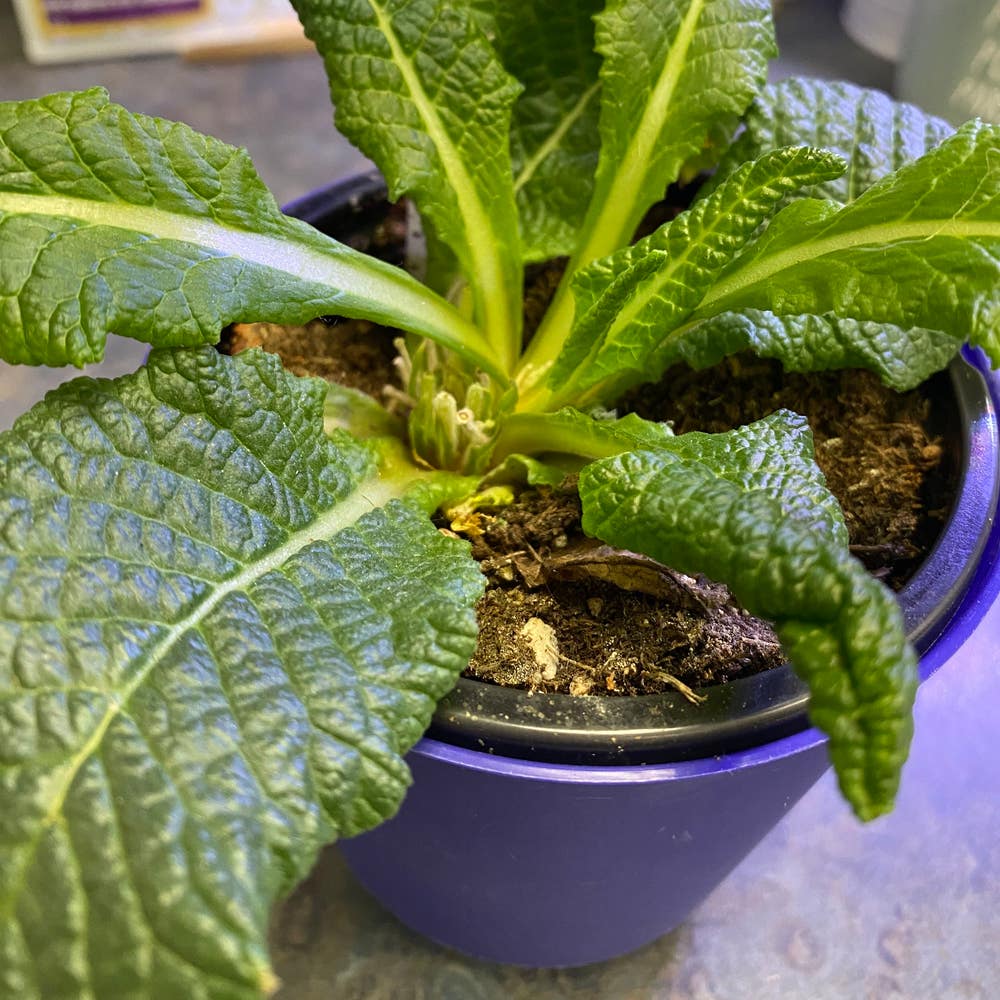
Its leaves form a rosette, which conserves energy and moisture. This adaptation is crucial for thriving in fluctuating weather conditions.
Dormancy
Double Primrose can enter dormancy during unfavorable conditions. This ability helps it survive extreme temperatures and droughts.
📅 Long-Term Lifecycle and Growth Patterns
Growth Cycle
The growth cycle of Double Primrose features yearly flowering patterns alongside vegetative growth. This ensures a vibrant display season after season.
Seasonal Behavior
Active growth occurs in spring, while dormancy sets in during winter. This seasonal behavior allows the plant to conserve resources.
Longevity
Double Primrose can live for several years, producing flowers annually. Its longevity makes it a cherished addition to any garden.
🌼 Lifecycle Comparison with Annuals
Flowering Patterns
Unlike annuals, which bloom once, Double Primrose offers multiple blooms over several seasons. This extended flowering period enhances garden aesthetics.
Seed Production
Double Primrose engages in continuous self-seeding, contrasting with the one-time seed set typical of annuals. This trait supports its perennial nature.
❓ Misconceptions and Exceptions
Conditions Affecting Perennial Status
There are conditions where Double Primrose may be treated as an annual. Extreme weather, such as harsh winters or drought, can impact its survival.
Poor Soil Quality
Nutrient-deficient soil can lead to stunted growth. In such cases, the plant may struggle to thrive, mimicking annual behavior.
🌸 Garden Design Implications
Advantages of Using Double Primrose
Incorporating Double Primrose into perennial planting offers long-lasting blooms. This provides consistent color and interest throughout the growing season.
Low Maintenance
Double Primrose requires less frequent replanting compared to annuals. This low-maintenance aspect is appealing for busy gardeners.
🌼 Strategies for Incorporating Double Primrose into Garden Design
Companion Planting
Pairing Double Primrose with other perennials creates diverse aesthetics. This strategy enhances the visual appeal of your garden.
Seasonal Planning
Timing plantings to maximize flowering periods can elevate your garden's beauty. Thoughtful planning ensures a vibrant display throughout the seasons.
🔧 Maximizing Longevity
Tips for Managing Double Primrose
To manage Double Primrose as a perennial, start with soil preparation. Ensure well-draining, nutrient-rich soil for optimal growth.
Watering Practices
Maintain consistent moisture without waterlogging. This balance is key to keeping your Double Primrose healthy.
🌱 Best Practices for Ensuring Long-Term Health and Flowering
Pruning
Regular deadheading encourages new blooms. This simple practice can significantly enhance flowering.
Fertilization
Balanced feeding during the growing season supports robust growth. Proper fertilization is essential for maintaining the plant's health.
Incorporating these strategies will help you enjoy the beauty of Double Primrose for years to come. As we explore the next section, we'll delve into the lifecycle comparison with annuals, highlighting the unique advantages of this perennial gem.
⚠️ Safety First
This content is for general information and may contain errors, omissions, or outdated details. It is not medical, veterinary advice, or an endorsement of therapeutic claims.
Always consult a qualified healthcare professional before using any plant as food, medicine, or supplement.
Never eat any plant (or feed one to pets) without confirming its identity with at least two trusted sources.
If you suspect poisoning, call Poison Control (800) 222-1222, the Pet Poison Helpline (800) 213-6680, or your local emergency service immediately.
Spotted an error? Please report it here.
Transform your garden with the vibrant blooms of Double Primrose 🌼 and let Greg provide tailored care reminders to keep your perennials thriving season after season!