🐠 Ultimate Guide to What's Eating Your Coral Plant
Jatropha multifida
By the Greg Editorial Team
Nov 08, 2024•6 min read
This article was created with the help of AI so we can cover more plants for you. May contain errors. See one? Report it here.
Safeguard your Coral Plant from herbivores while inviting beneficial wildlife for a vibrant garden! 🌱🦋
- 🌺 Coral Plants attract both beneficial pollinators and harmful herbivores; balance is key.
- 🦌 Deer and rabbits pose significant threats; use repellents and fencing for protection.
- 🐦🐿️ Squirrels and birds can damage plants; employ capsaicin sprays and netting to deter them.
Coral Plant Characteristics
Striking Features 🌺
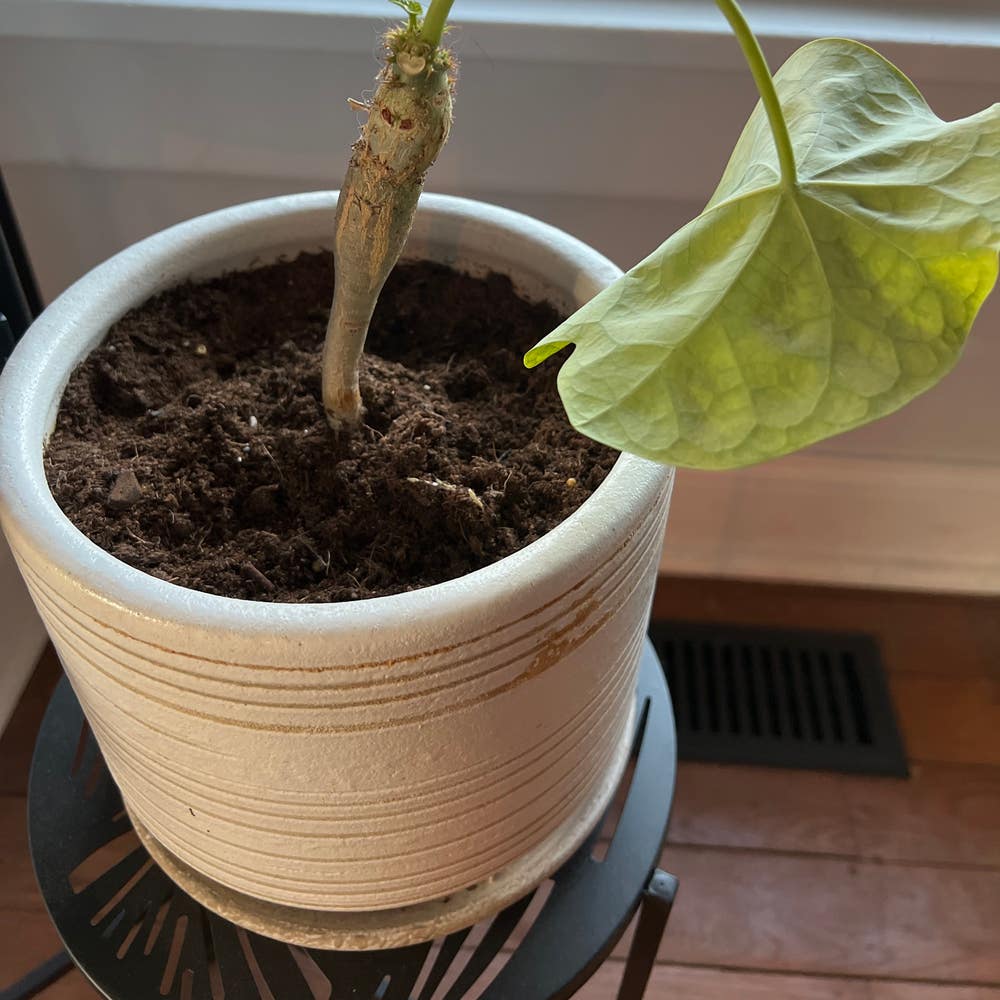
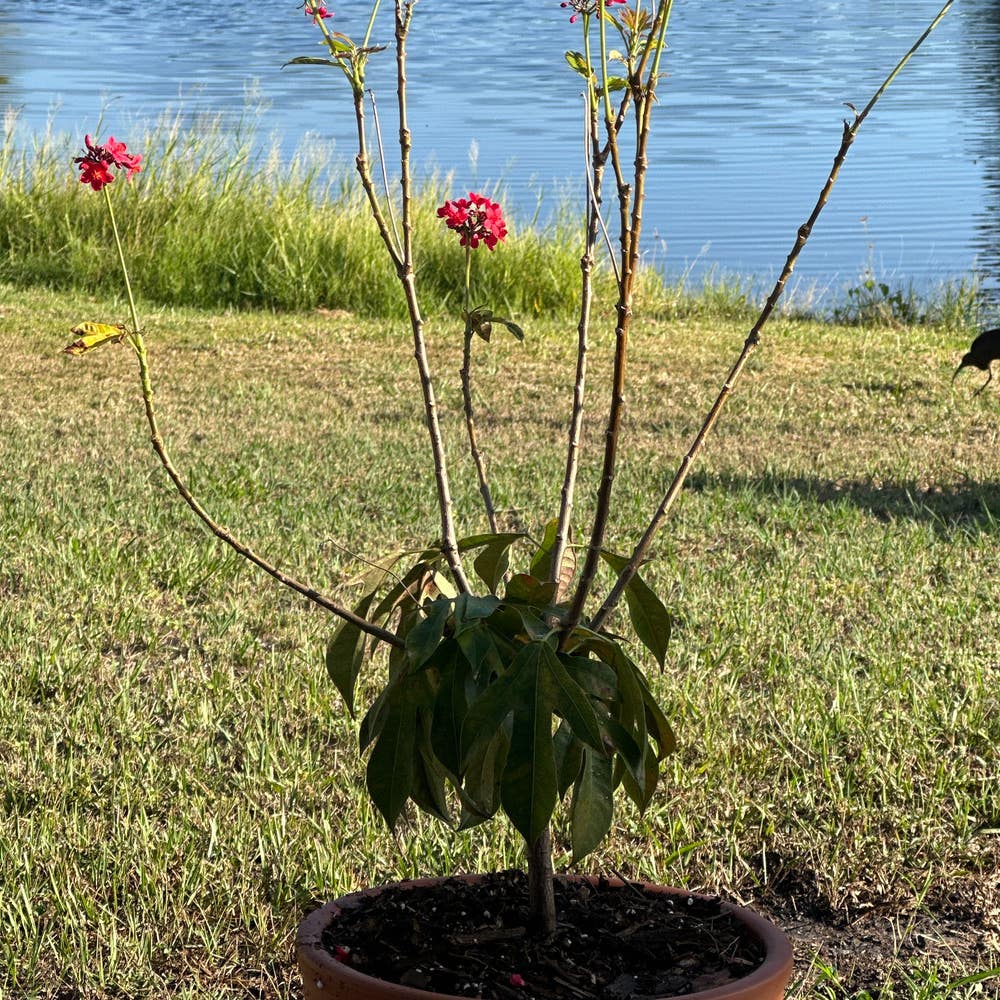
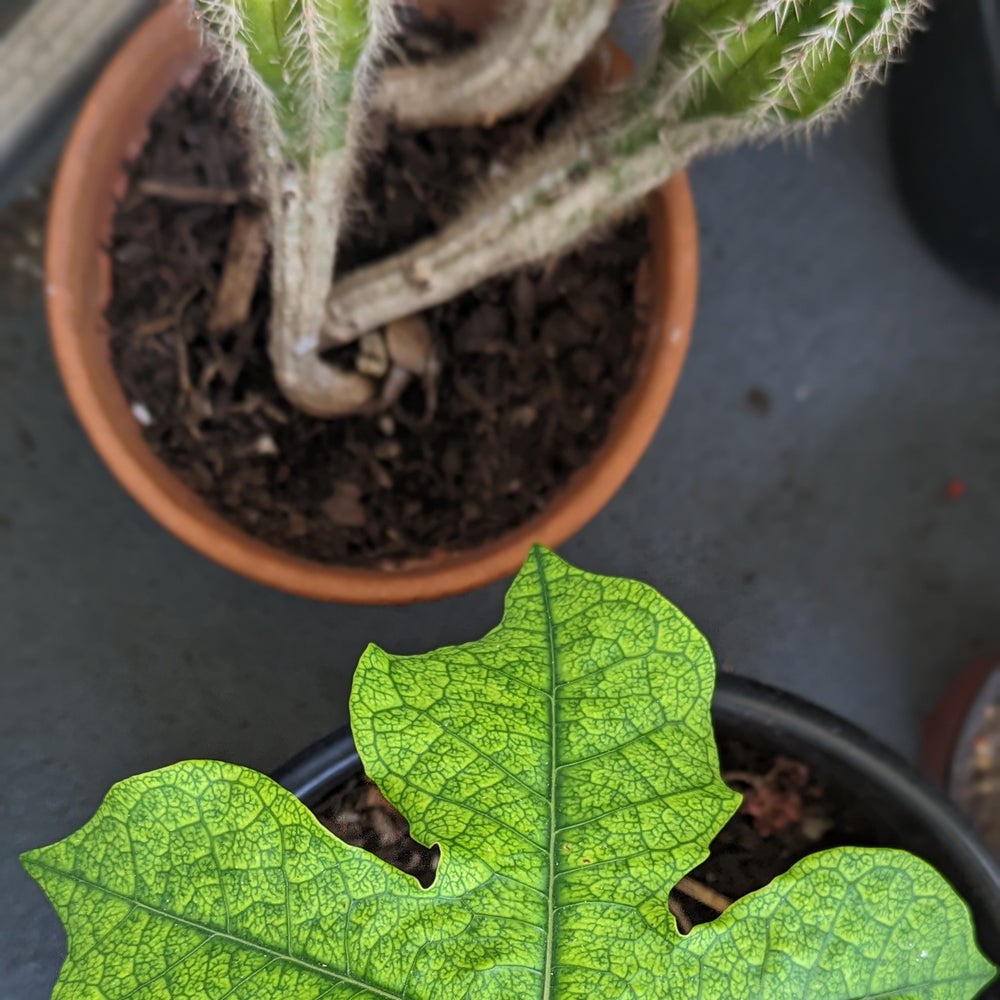
The Coral Plant is a visual delight, boasting lobed leaves that create a lush, tropical vibe. Its vibrant red flowers are not just eye-catching; they also serve as a beacon for various animals.
Attractive Parts 🍇
Animals are particularly drawn to the Coral Plant's fruits, flowers, and young shoots. These parts are not only appealing but also provide essential nutrients, making the plant a popular choice among herbivores.
The combination of its striking appearance and nutritious offerings makes the Coral Plant a magnet for wildlife, which can be both a blessing and a challenge for gardeners. Understanding these characteristics is crucial for managing interactions with herbivores effectively.
As we explore the common herbivores that affect the Coral Plant, we’ll uncover how to protect this beautiful addition to your garden while maintaining its allure.
Common Herbivores Affecting Coral Plant
🦌 Deer
Signs of presence and damage caused
Look for hoof prints near your Coral Plant; these are clear indicators of deer activity. Damage often manifests as browsed leaves and stems, which can stunt growth significantly.
Beneficial or harmful interaction
Deer interactions are generally harmful. If left unmanaged, they can decimate Coral Plant populations, leading to severe ecological consequences.
Deterrent methods
To deter deer, consider using commercial deer repellents, which can be effective. Alternatively, you can plant deer-resistant species nearby or use organic methods like human hair or soap shavings to keep them at bay.
🐇 Rabbits
Signs of presence and damage caused
Rabbits leave behind droppings and often chew on stems. Their damage typically includes gnawed leaves and stems, especially at ground level.
Beneficial or harmful interaction
Rabbits are generally harmful to Coral Plants. They can severely impact young plants, stunting their growth and reducing overall health.
Deterrent methods
For easy deterrence, apply bitter-tasting sprays to make the plants less appealing. You can also use fencing that stands 2-3 feet high or plant rabbit-resistant varieties to protect your Coral Plant.
🐿️ Squirrels
Signs of presence and damage caused
Squirrels can be identified by chewed branches and scattered debris around your plants. Their damage includes bark stripping and the consumption of fruits, which can hinder growth.
Beneficial or harmful interaction
Interactions with squirrels are generally harmful. They can significantly affect plant growth and reduce fruit production, leading to lower yields.
Deterrent methods
To keep squirrels away, try capsaicin-based sprays that make the plants taste unpleasant. Additionally, scare tactics like reflective tape or noise makers can effectively deter these critters.
🐦 Birds
Signs of presence and damage caused
Look for feathers, droppings, and pecked fruits as signs of bird activity. Birds can damage your Coral Plant by eating flowers and fruits, which reduces seed production.
Beneficial or harmful interaction
Bird interactions are mixed. While some birds act as pollinators, others can cause significant damage to your plants.
Deterrent methods
To protect your plants, consider using non-toxic bird repellents. Organic methods like netting over plants or using decoys can also help keep unwanted birds away.
🐭 Rodents (mice, voles, etc.)
Signs of presence and damage caused
Rodents leave behind burrows and gnawed roots, which are clear signs of their presence. Their damage can lead to root stress and potential death of the Coral Plant.
Beneficial or harmful interaction
Rodents are generally harmful. They can cause significant damage, leading to stress and decline in plant health.
Deterrent methods
For a more challenging deterrent, use rodent bait stations to manage their population. Alternatively, traps and encouraging natural predators like owls can help control rodent numbers effectively.
Understanding these common herbivores and their interactions with Coral Plants is crucial for maintaining a healthy garden. With the right deterrent methods, you can protect your plants while fostering a balanced ecosystem. Next, we’ll explore the beneficial animals that can enhance your Coral Plant's growth and overall garden health.
Beneficial Animals and Ecosystem Impact
🐝 Description of Beneficial Animals Attracted to Coral Plant
Coral plants are not just a feast for herbivores; they also attract a variety of beneficial animals. Pollinators like bees and butterflies are drawn to the vibrant flowers, playing a crucial role in the plant's reproductive cycle.
Birds also find the Coral Plant appealing. They act as seed dispersers, helping to propagate the plant across your garden and beyond.
🌱 Positive Impacts on the Garden Ecosystem
The presence of these beneficial animals can significantly enhance your garden's health. Increased pollination leads to better fruit and seed production, ensuring a thriving Coral Plant.
Moreover, these animals contribute to increased biodiversity. This diversity helps establish a natural balance, providing natural pest control and reducing the need for chemical interventions.
By fostering an environment that attracts these helpful creatures, you can create a more resilient and vibrant garden ecosystem.
As we explore ways to protect your Coral Plant from herbivores, remember the importance of nurturing these beneficial relationships.
General Strategies for Protecting Coral Plant
🛡️ Preventive Measures for Herbivore Damage
To safeguard your Coral Plant, start with plant selection. Incorporating companion plants that deter herbivores can create a natural barrier against unwanted munchers.
Regular monitoring is also crucial. Inspect your plants frequently for early signs of damage, allowing you to act before the situation escalates.
⚠️ Reactive Solutions for Managing Animal Interactions
When you notice signs of damage, it's time for immediate action. Use deterrents promptly to protect your Coral Plant from further harm.
Rehabilitation is equally important. Prune any damaged areas to encourage new growth, helping your plant bounce back stronger.
🌱 Balancing Garden Ecosystem While Protecting Coral Plant
Emphasizing coexistence is key. Encourage beneficial animals that support your garden while managing those that pose a threat to your Coral Plant.
Implementing integrated pest management strategies can be highly effective. By combining various methods, you can create a balanced ecosystem that nurtures your plants and keeps harmful animals at bay.
These strategies not only protect your Coral Plant but also enhance the overall health of your garden. Transitioning to the next topic, let’s explore the seasonal considerations and toxicity related to Coral Plant interactions.
Seasonal Considerations and Toxicity
🌱 Seasonal Variations in Animal Attraction to Coral Plant
As the seasons change, so does the behavior of animals attracted to the Coral Plant.
Spring brings a surge in herbivore activity, as the plant emerges from dormancy, offering fresh foliage that many animals find irresistible.
In summer, feeding peaks, with various animals taking advantage of the lush growth and vibrant flowers.
By fall, animals begin foraging more aggressively, preparing for the winter months ahead, which can lead to increased damage to your Coral Plant.
⚠️ Toxicity and Implications for Animal Interactions
The Coral Plant isn't just a feast for herbivores; it also has toxic effects that can deter some animals.
Understanding these toxic properties is crucial for managing interactions with wildlife.
While some animals may avoid the plant due to its toxicity, others might not be deterred, leading to potential health risks for them.
Being aware of these dynamics helps you create a balanced approach to protecting your Coral Plant while considering the well-being of local wildlife.
In the next section, we will explore general strategies for protecting your Coral Plant from herbivores while fostering a thriving garden ecosystem.
⚠️ Safety First
This content is for general information and may contain errors, omissions, or outdated details. It is not medical, veterinary advice, or an endorsement of therapeutic claims.
Always consult a qualified healthcare professional before using any plant as food, medicine, or supplement.
Never eat any plant (or feed one to pets) without confirming its identity with at least two trusted sources.
If you suspect poisoning, call Poison Control (800) 222-1222, the Pet Poison Helpline (800) 213-6680, or your local emergency service immediately.
Spotted an error? Please report it here.
Protect your Coral Plant from pesky herbivores with Greg's personalized care tips 🌿 that help you manage pests and promote a thriving garden ecosystem!