Ultimate Guide to Root Rot in Coral Plant 🐠
Jatropha multifida
By the Greg Editorial Team
Nov 08, 2024•5 min read
This article was created with the help of AI so we can cover more plants for you. May contain errors. See one? Report it here.
Rescue your Coral Plant from root rot with these vital tips for early detection and recovery! 🌱
- 🌱 Early identification of root rot ensures effective treatment and plant recovery.
- 🧐 Common symptoms include yellowing leaves and wilting; inspect regularly for health.
- 🧴 Trim rotten roots and repot in well-draining soil to combat root rot.
Identifying Root Rot
Symptoms of Root Rot 🌱
Recognizing root rot early is crucial for saving your Coral Plant. Common signs include yellowing leaves and wilting, which indicate that the plant is struggling.
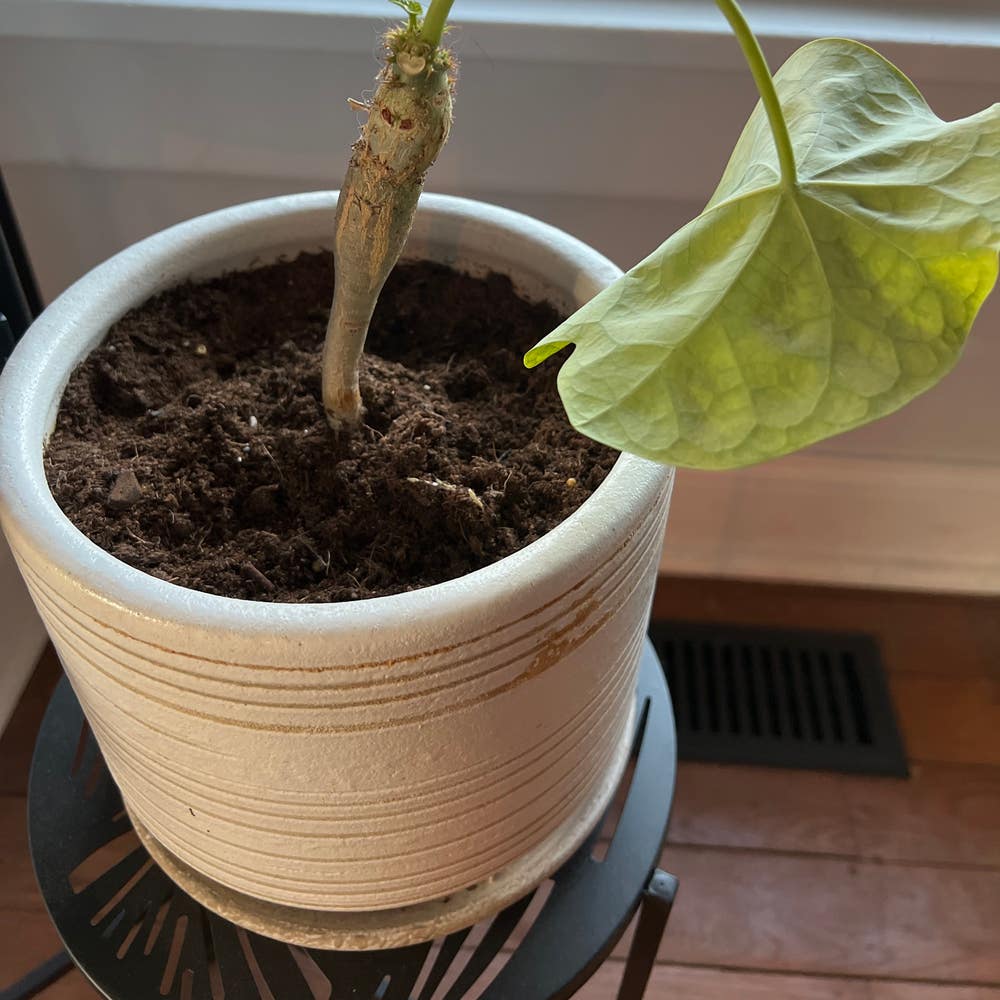
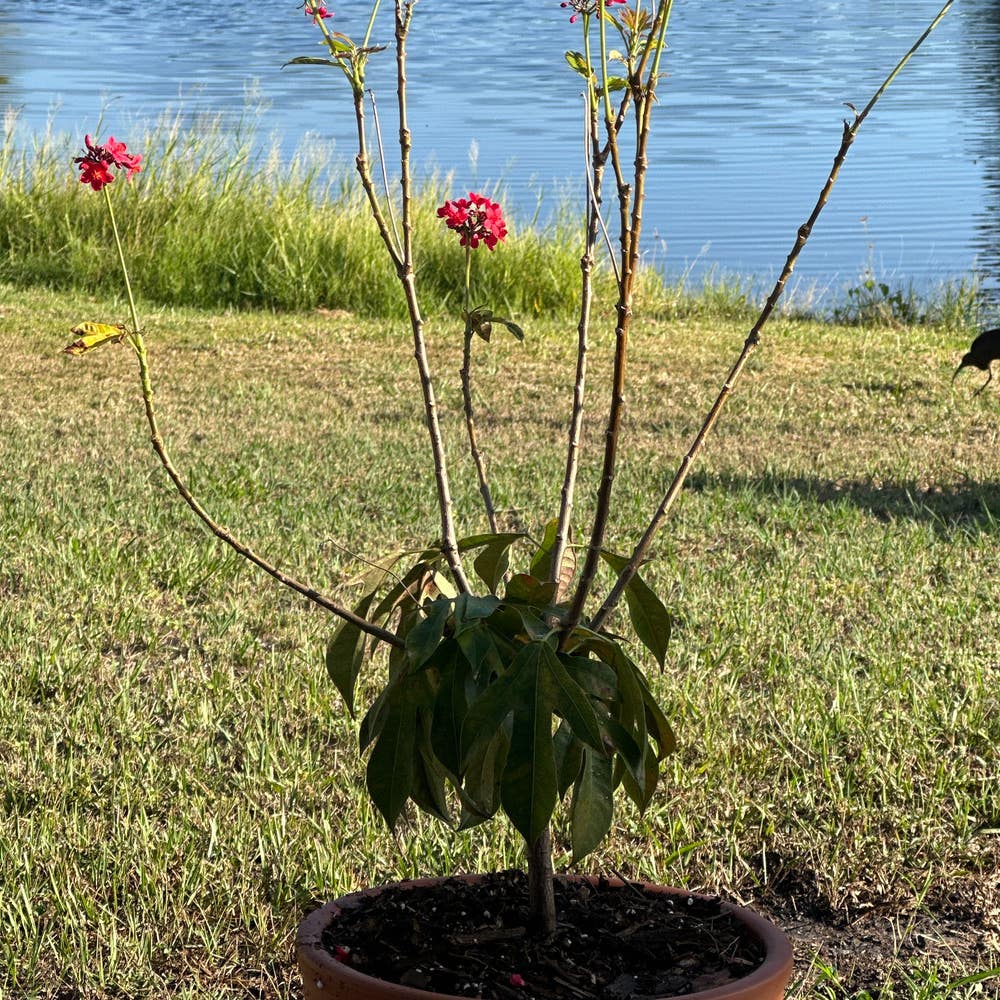
Additionally, watch for stunted growth and an overall decline in vigor. Different Coral Plant varieties, like the Crown of Thorns, may exhibit unique symptoms, so it's essential to familiarize yourself with these variations.
How to Inspect Roots 🔍
Inspecting the roots is a straightforward process. Start by carefully removing the plant from its pot.
Next, gently shake off excess soil to expose the roots. Look for dark, mushy, or foul-smelling roots, as these are clear indicators of rot.
Visual Signs Above Soil 👀
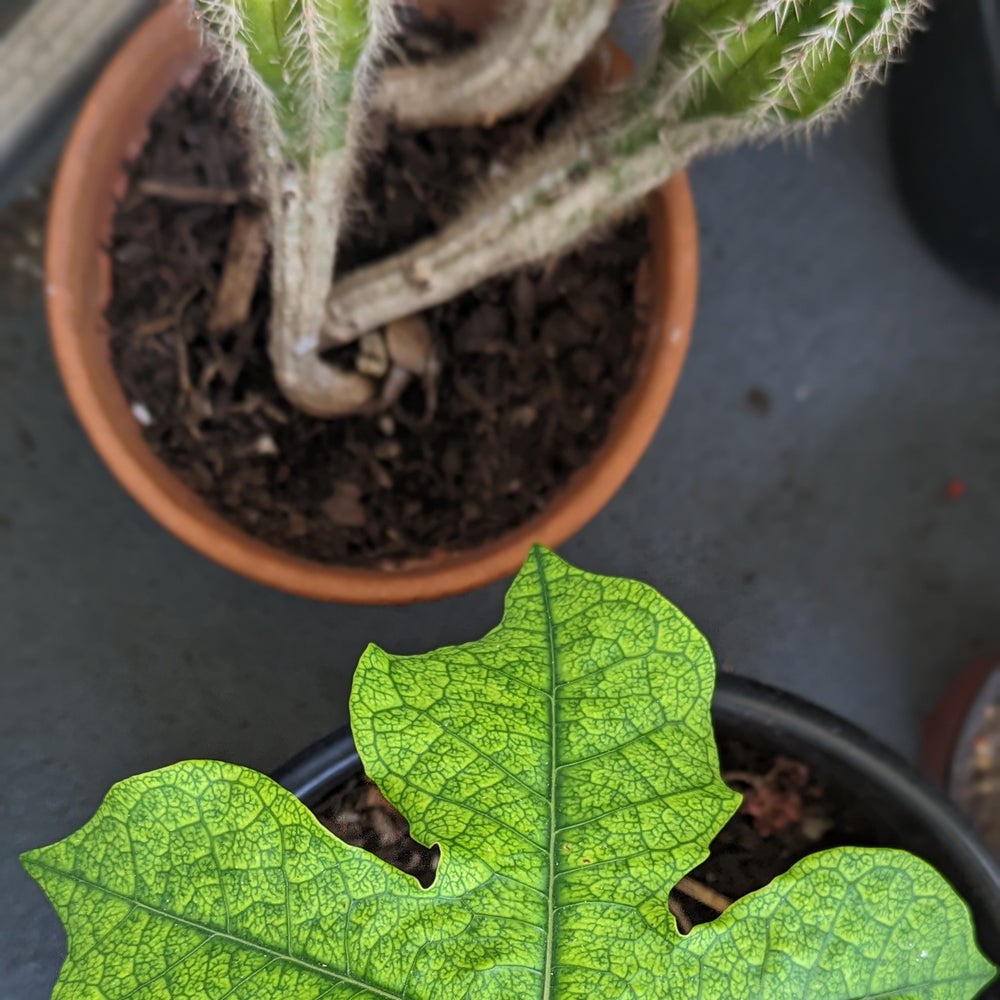
Don't just rely on root inspection; visual signs above the soil can also reveal issues. Leaf discoloration, particularly yellowing or browning, is a red flag.
Check the stems as well; soft or mushy stems often indicate advanced root problems. Lastly, examine the soil condition—mold presence or a foul odor can signal that something is amiss.
By staying vigilant and recognizing these symptoms, you can take action before root rot becomes a more significant issue. Next, we’ll explore how to treat root rot effectively.
Treating Root Rot
Step-by-Step Guide to Treatment 🌱
Treating root rot in your Coral Plant requires careful attention and a systematic approach. Start by removing the plant from its pot gently to avoid further damage.
Next, inspect the roots thoroughly. Trim away any rotten roots using sterilized scissors to prevent spreading pathogens.
After addressing the roots, it's crucial to clean the pot. Disinfect it with a bleach solution to eliminate any lingering pathogens that could harm your plant.
Finally, repot your Coral Plant using fresh, well-draining soil. Ensure the pot allows for proper air circulation, which is vital for recovery.
Recommended Treatments 💊
To combat fungal infections, consider using fungicides. Look for products specifically designed for root rot to effectively treat the issue.
If you prefer natural remedies, cinnamon and neem oil are excellent organic options. Both have antifungal properties and can help restore your plant's health.
How to Repot Affected Plants 🪴
Choosing the right pot size is essential for promoting drainage. Select a pot that is slightly larger than the previous one, ensuring it has adequate drainage holes.
For soil preparation, mix your potting soil with perlite or sand. This combination enhances drainage and prevents future rot.
After repotting, water your Coral Plant lightly. This helps avoid over-saturation and allows the roots to acclimate without further stress.
By following these steps, you can effectively treat root rot and give your Coral Plant a chance to thrive once again. Next, let’s explore how to prevent root rot from occurring in the first place.
Preventing Root Rot
🌊 Best Practices for Watering
Establishing a consistent watering schedule is crucial for preventing root rot in your Coral Plant. During the growing season, water every 1-2 weeks, but reduce frequency in the dormant winter months.
Before watering, always check the soil moisture levels. Stick your finger about an inch into the soil; if it feels dry, it's time to water. This simple check can save your plant from overwatering.
🌱 Importance of Soil Type and Drainage
Choosing the right soil is essential for healthy Coral Plants. A cactus mix is ideal, as it provides excellent drainage and prevents excess moisture retention.
Additionally, ensure your pot has drainage holes. Adding a layer of gravel at the bottom can further enhance drainage, allowing water to flow freely and reducing the risk of root rot.
☀️ Environmental Conditions to Maintain
Optimal light exposure plays a significant role in preventing root rot. Place your Coral Plant in bright, indirect sunlight to promote healthy growth without the risk of overwatering.
Temperature and humidity are also key factors. Keep your plant in a warm environment, ideally between 65°F and 80°F, and maintain moderate humidity levels to support its overall health.
By following these best practices, you can create a thriving environment for your Coral Plant, significantly reducing the risk of root rot. Next, we’ll explore how to effectively treat root rot if it does occur.
Recovery from Root Rot
Signs of Recovery 🌱
After addressing root rot, look for clear signs of recovery. Healthy leaves and stems emerging are great indicators that your Coral Plant is bouncing back.
Another positive sign is the improvement in soil condition. You should notice the absence of foul odors and a return to normal moisture levels, signaling that the roots are healing.
Ongoing Care Post-Treatment 🧑🌾
Adjusting your watering practices is crucial during the recovery phase. Monitor soil moisture closely to ensure you’re not overwatering, which can lead to a relapse.
Fertilization also plays a key role in recovery. Once your plant shows signs of new growth, consider using a balanced fertilizer to support its rejuvenation.
Monitoring Health After Treatment 🔍
Regular inspections are essential to maintain your plant's health. Check your Coral Plant weekly for any signs of distress or relapse.
Be vigilant for symptoms that may indicate returning root rot issues. Yellowing leaves, wilting, or foul odors can signal that your plant needs immediate attention again.
By staying proactive and attentive, you can help your Coral Plant thrive and prevent future root rot problems.
⚠️ Safety First
This content is for general information and may contain errors, omissions, or outdated details. It is not medical, veterinary advice, or an endorsement of therapeutic claims.
Always consult a qualified healthcare professional before using any plant as food, medicine, or supplement.
Never eat any plant (or feed one to pets) without confirming its identity with at least two trusted sources.
If you suspect poisoning, call Poison Control (800) 222-1222, the Pet Poison Helpline (800) 213-6680, or your local emergency service immediately.
Spotted an error? Please report it here.
Keep your Coral Plant thriving and root rot-free 🌱 with Greg's tailored care reminders and expert tips to catch issues early and ensure a healthy environment!