🌊 Cutting Back Coral Plant Effectively
Jatropha multifida
By the Greg Editorial Team
Nov 08, 2024•6 min read
This article was created with the help of AI so we can cover more plants for you. May contain errors. See one? Report it here.
Transform your coral plant into a stunning centerpiece with essential pruning techniques! 🌿
- ✂️ Use sharp tools and disinfectants for safe and effective coral plant pruning.
- 🌱 Prune in late winter to early spring for optimal growth and health.
- 🌼 Regular pruning prevents overgrowth and encourages new blooms in coral plants.
Pruning Techniques
🛠️ Tools Needed for Effective Pruning
To prune your coral plant effectively, you'll need a few essential tools. Start with sharp pruning shears for clean cuts on stems, and loppers for tackling thicker branches.
Don't forget to wear gloves to protect your hands from sap and thorns. Additionally, keep a disinfectant handy to clean your tools and prevent the spread of diseases.
✂️ Step-by-Step Guide to Cutting Back Coral Plant
- Assess the Plant: Begin by evaluating the plant's current shape and health.
- Remove Dead Stems: Cut away any dead or damaged stems at the base to promote new growth.
- Trim Leggy Growth: Encourage bushier development by trimming back leggy growth by 1/3 to 1/2 of their length.
- Shape the Plant: Use selective pruning to maintain a balanced appearance, enhancing the overall look.
- Clean Up: Finally, clean up any debris to prevent pests and diseases from taking hold.
🌱 Best Time of Year to Prune
The optimal time for pruning coral plants is late winter to early spring, just before new growth begins. You can also perform light pruning after flowering to maintain the plant's shape.
🎨 Techniques for Shaping During Pruning
To enhance the shape of your coral plant, consider these techniques:
- Pinching Back Tips: Pinch back the tips of stems to encourage branching and fuller growth.
- Thinning Crowded Areas: Thin out crowded areas to improve air circulation, which is vital for plant health.
- Creating Shapes: Depending on your landscape design, aim for a rounded or vase shape to complement your garden's aesthetics.
With these pruning techniques, your coral plant will thrive and look stunning in your garden. Next, let's explore the importance of deadheading to maximize flowering and growth.
Deadheading
Step-by-Step Instructions for Deadheading Coral Plant 🌺
Deadheading is a simple yet effective way to keep your coral plant thriving. Start by identifying spent flowers; these are the wilted or brown blooms that detract from your plant's beauty.
Next, grab your clean pruning shears and cut the flower stem back to the nearest leaf node. This encourages new growth and helps the plant focus its energy on producing fresh blooms.
Finally, don’t forget to dispose of the removed flowers. This step is crucial to prevent disease and keep your coral plant healthy.
Benefits of Deadheading for Flowering and Growth 🌼
Deadheading offers numerous benefits that can enhance your gardening experience. First, it leads to increased flower production and prolonged blooming, allowing you to enjoy vibrant colors for a longer period.
Additionally, removing spent flowers improves the overall appearance and health of the plant. A tidy coral plant not only looks better but also thrives, making your garden a more inviting space.
Incorporating deadheading into your routine will ensure your coral plant remains a stunning focal point in your garden. Now that you know how to deadhead effectively, let’s explore seasonal considerations for pruning.
Seasonal Considerations
✂️ Pruning in Spring vs. Fall
Pruning your coral plant at the right time can make all the difference. In spring, focus on shaping and removing any dead growth before the new growth begins, ensuring a healthy start to the growing season.
In the fall, light trimming is key. This tidies up the plant after flowering, preparing it for dormancy while maintaining its aesthetic appeal.
🔍 Signs That Coral Plant Needs Pruning
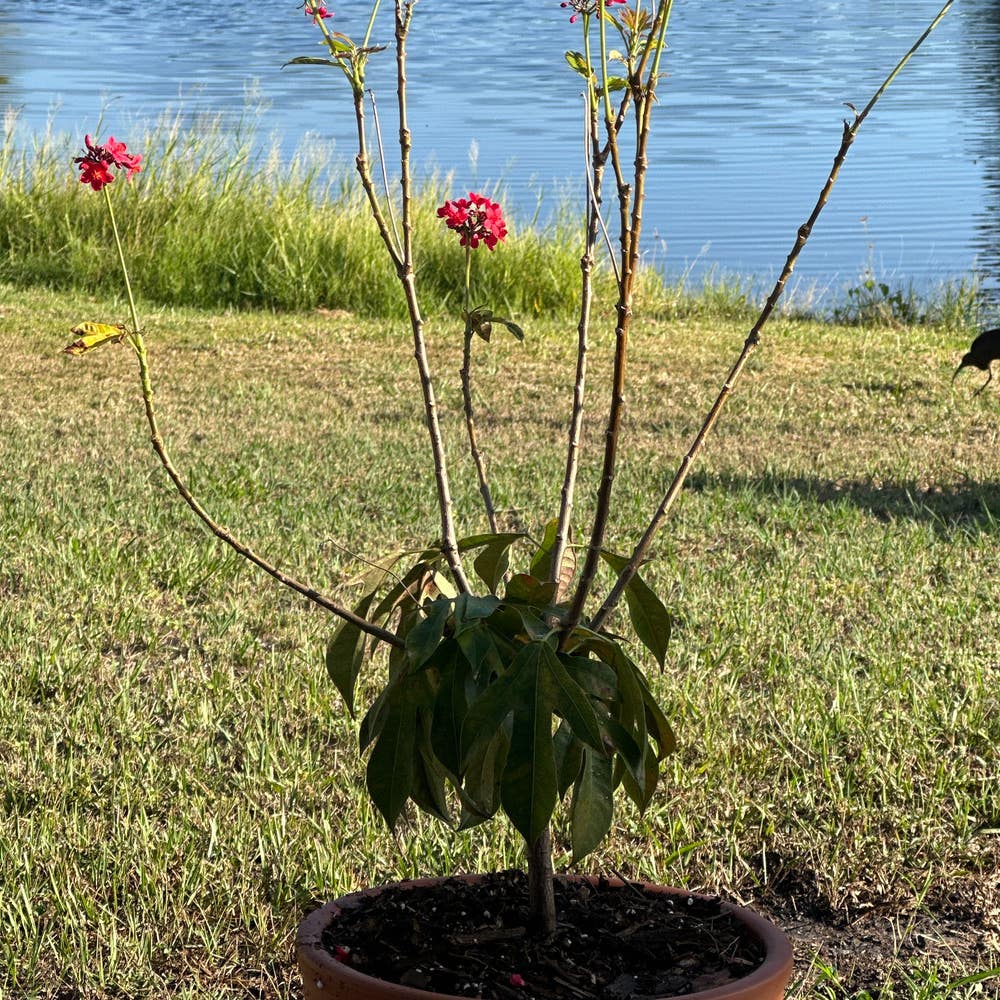
Recognizing when your coral plant needs a trim is crucial for its health. Look for an overgrown or leggy appearance, which indicates it’s time to take action.
Other signs include dead or damaged branches and reduced flowering. If your plant seems to be struggling, it’s likely begging for a pruning session.
🌱 Adjusting Pruning Techniques Based on Seasonal Growth Patterns
Your pruning approach should vary with the seasons. In spring, adopt a more aggressive technique to stimulate growth and encourage a fuller appearance.
Come fall, switch to gentle shaping. This prepares the plant for dormancy, ensuring it remains healthy through the colder months.
With these seasonal considerations in mind, you’ll keep your coral plant thriving and looking its best all year round. Next, let’s explore common problems and solutions related to pruning.
Common Problems and Solutions
🌱 Identifying Overgrowth and Its Impact
Overgrowth in coral plants can be a sneaky issue. Look for signs like dense foliage that restricts airflow and sparse flowering due to insufficient light penetration.
🐛 Addressing Pest Issues Related to Unpruned Plants
Unpruned plants can become a haven for pests. Aphids and spider mites love to thrive in the thick, tangled growth, making regular pruning essential to maintain plant health and reduce these pest habitats.
✂️ Solutions for Maintaining Aesthetics Through Pruning
To keep your coral plant looking its best, schedule seasonal pruning. Regular maintenance not only enhances aesthetics but also allows you to monitor for signs of stress or disease, ensuring your plant remains vibrant and healthy.
By staying proactive with pruning, you can enjoy a flourishing coral plant that adds beauty to your garden while minimizing potential problems. Next, let’s explore how to prune for aesthetic appeal, ensuring your coral plant not only thrives but also dazzles in your landscape.
Pruning for Aesthetic Appeal
🌿 How to Prune for Optimal Beauty
Pruning for beauty is all about creating a visually appealing structure. Focus on achieving symmetry and balance, which can transform your coral plant into a stunning centerpiece.
Remove any crossing branches to enhance the overall structure. This simple step not only improves aesthetics but also promotes healthier growth by allowing light and air to reach all parts of the plant.
⚖️ Creating a Balanced Shape Through Pruning
To maintain a natural form, use selective pruning techniques. Aim for a rounded or upright shape, depending on your landscape design goals.
Consider the surrounding plants and the overall garden layout when shaping your coral plant. This thoughtful approach ensures your plant complements its environment beautifully.
🌼 Enhancing Landscape Design with Pruning
Incorporating coral plants into your landscape can elevate its visual appeal. Use pruning strategically to create focal points or borders that draw the eye.
Combining coral plants with other species adds diversity to your garden. Regular pruning helps maintain a cohesive look while allowing each plant to shine in its own right.
By focusing on aesthetics through pruning, you not only enhance the beauty of your coral plant but also contribute to a vibrant and inviting landscape. Next, let’s explore how seasonal considerations can further refine your pruning strategy.
⚠️ Safety First
This content is for general information and may contain errors, omissions, or outdated details. It is not medical, veterinary advice, or an endorsement of therapeutic claims.
Always consult a qualified healthcare professional before using any plant as food, medicine, or supplement.
Never eat any plant (or feed one to pets) without confirming its identity with at least two trusted sources.
If you suspect poisoning, call Poison Control (800) 222-1222, the Pet Poison Helpline (800) 213-6680, or your local emergency service immediately.
Spotted an error? Please report it here.
Transform your coral plant into a stunning centerpiece with Greg's tailored pruning tips 🌿, ensuring it thrives and blooms beautifully all season long!