Why Your Coral Plant Leaves Are Turning Yellow 🍂
Jatropha multifida
By the Greg Editorial Team
Nov 08, 2024•6 min read
This article was created with the help of AI so we can cover more plants for you. May contain errors. See one? Report it here.
Revive your Coral Plant by mastering the causes of yellowing leaves and restoring its vibrant health! 🌿
- 💧 Overwatering and underwatering are primary causes of yellowing leaves in Coral Plants.
- 🌱 Nutrient deficiencies like nitrogen and iron lead to yellowing; fertilize regularly for health.
- 🌞 Insufficient light and poor drainage can also cause yellow leaves; adjust conditions accordingly.
Causes of Yellowing Leaves
💧 Overwatering and Its Effects
Overwatering is a common culprit behind yellowing leaves in Coral Plants. Symptoms include yellowing leaves, wilting, and even root rot, which can severely affect plant health.
To prevent this, it's crucial to use well-draining soil. This type of soil prevents water accumulation and promotes healthy root systems. If you notice dark, mushy roots accompanied by a foul odor, these are clear signs of root rot.
🚰 Underwatering and Its Symptoms
On the flip side, underwatering can also lead to yellowing leaves. Symptoms include yellowing leaves with dry and crispy edges, indicating that your plant is stressed.
Coral Plants thrive in warm, dry conditions but still require consistent moisture. If the leaves start dropping or shriveling, it’s a sign that your plant needs more water.
🍃 Nutrient Deficiencies
Nitrogen Deficiency
A nitrogen deficiency manifests as general yellowing of older leaves and stunted growth. Nitrogen is essential for leaf and stem development, making it a vital nutrient for your Coral Plant's health.
Iron Deficiency
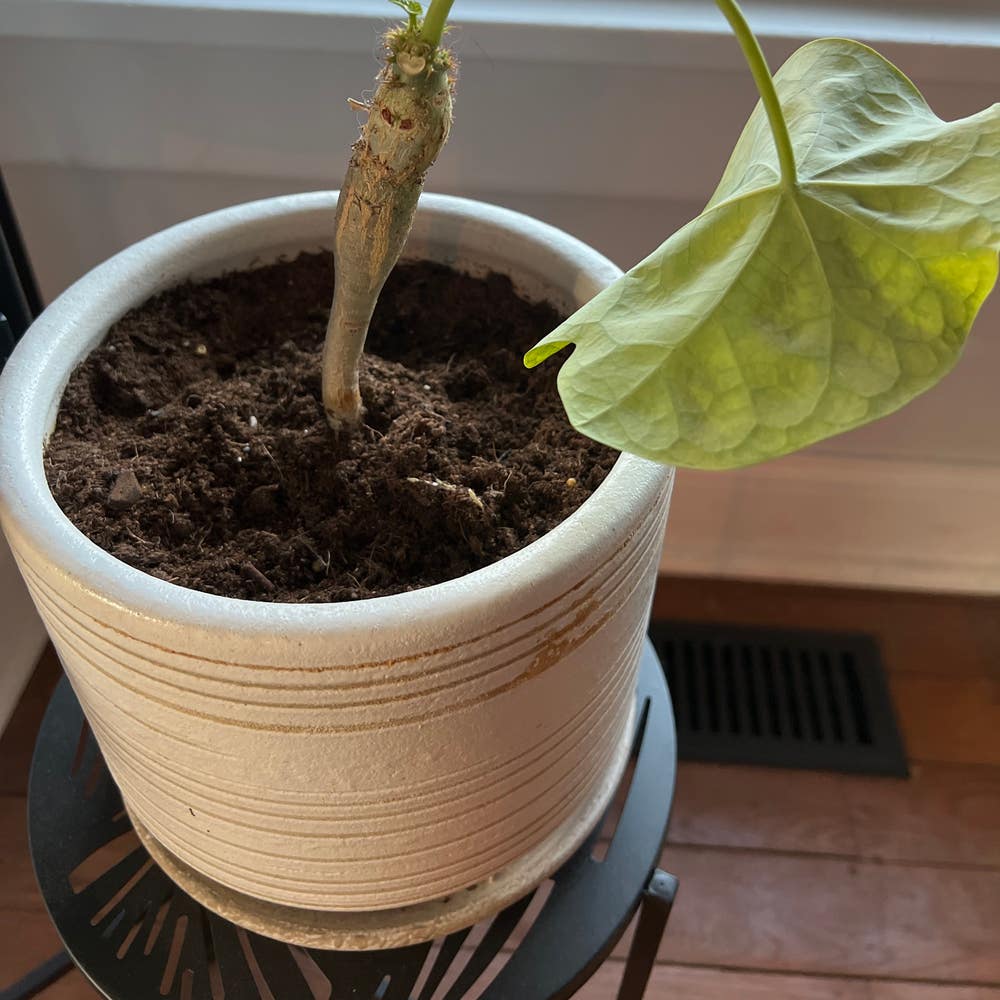
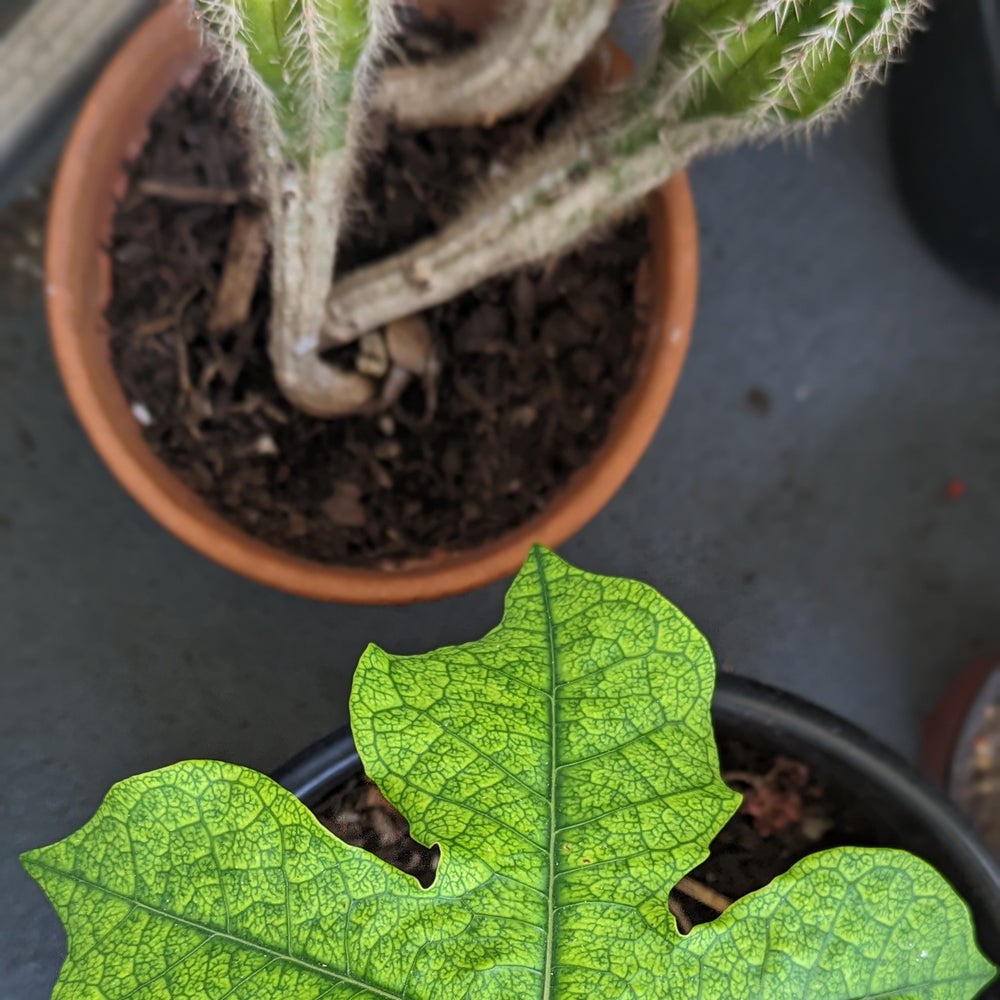
Iron deficiency presents itself as yellowing between leaf veins, while the veins themselves remain green, a condition known as interveinal chlorosis. Iron is crucial for chlorophyll production, which is vital for photosynthesis.
🐛 Pest Infestations
Common Pests
Pests can wreak havoc on your Coral Plant, leading to yellowing leaves. Aphids, small green insects, suck sap from the plant, causing yellowing and curling leaves.
Spider mites are another concern; these tiny, spider-like pests create stippling and yellowing of leaves. Signs of infestation include webbing, visible pests, and sticky residue on leaves.
🌡️ Environmental Stress
Temperature and Humidity
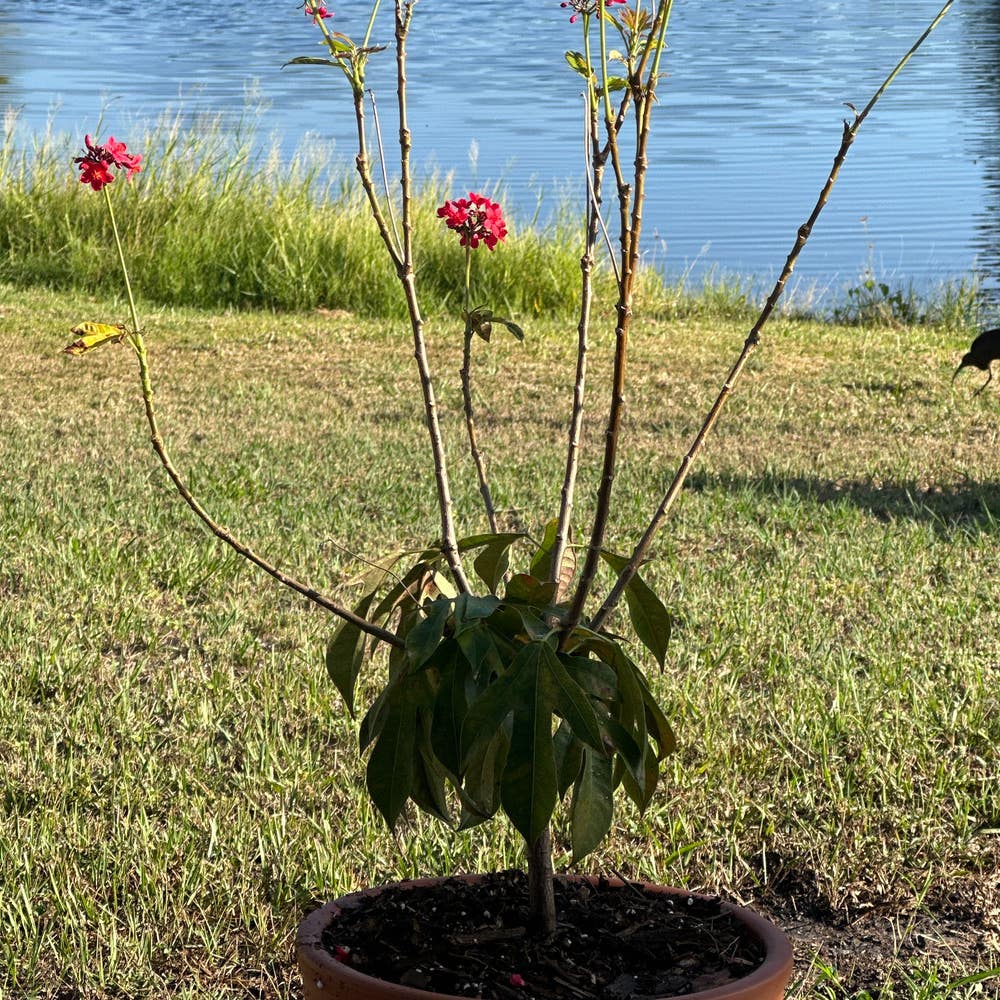
Environmental factors like temperature and humidity can also cause yellowing leaves. Coral Plants thrive in an ideal temperature range of 20°C to 30°C (68°F to 86°F).
Extreme temperatures can stress the plant, leading to yellowing leaves. Additionally, Coral Plants prefer low humidity; excessive moisture can contribute to yellowing as well.
Understanding these causes is the first step in diagnosing and treating yellowing leaves in your Coral Plant. Next, we’ll explore how to effectively diagnose the specific issues affecting your plant.
Diagnosing Yellow Leaves
🌼 Identifying the Type of Yellowing
Whole Leaf Yellowing
Whole leaf yellowing is a clear signal of systemic issues. This often points to problems like overwatering or nutrient deficiencies that need immediate attention.
Tip Yellowing
Tip yellowing typically indicates underwatering or nutrient burn. If you notice this, it’s essential to adjust your watering habits or check your fertilizer application.
💧 Assessing Watering Habits
Reviewing your watering schedule is crucial for maintaining healthy coral plants. Pay attention to how often and how much water you provide, as both over and underwatering can lead to yellowing leaves.
🐛 Checking for Pests and Diseases
Conduct a visual inspection of your plant to check for pests. Look closely at the leaves and stems for any signs of infestation or disease, such as fungal infections that may accompany yellowing.
☀️ Evaluating Light Exposure
Coral plants thrive in bright, indirect sunlight. If your plant is stretching or showing yellow leaves, it might not be getting enough light, signaling a need for relocation.
🌱 Analyzing Soil Composition and Drainage
Soil testing is vital to ensure your coral plant is in the right environment. Check for compacted or poorly draining soil, and make sure your pots have adequate drainage holes to prevent water accumulation.
By diagnosing yellow leaves effectively, you can take the necessary steps to restore your coral plant's health. Next, let’s explore solutions for yellowing leaves to help your plant thrive again.
Solutions for Yellowing Leaves
🌊 Adjusting Watering Practices
To combat yellowing leaves, start by adjusting your watering habits. Allow the soil to dry out between waterings to prevent overwatering, which is a common culprit for leaf discoloration.
Healthy, firm leaves and vibrant color are signs of proper watering. If your Coral Plant is thriving, it will show its appreciation through lush, green foliage.
🌱 Fertilizing Appropriately
Types of Fertilizers
Fertilization plays a crucial role in maintaining plant health. Use balanced fertilizers like 10-10-10 NPK or specialized succulent fertilizers to provide essential nutrients.
Apply fertilizer every 4-6 weeks during the growing season to keep your Coral Plant nourished and prevent nutrient deficiencies.
🐛 Treating Pest Infestations
Organic Options
Pests can wreak havoc on your Coral Plant, leading to yellowing leaves. Consider using neem oil, which is effective against common pests like aphids and spider mites.
Insecticidal soap is another safe option for treating infestations without harming your plant. Both methods are environmentally friendly and can help restore your plant's health.
Chemical Options
For severe infestations, systemic insecticides may be necessary. Always follow label instructions carefully to ensure safe and effective treatment.
💡 Modifying Light Conditions
Light conditions can significantly impact your Coral Plant's health. If yellowing is due to insufficient light, consider relocating your plant to a brighter spot.
Using artificial light, such as grow lights, can also help if natural light is limited. This adjustment can make a world of difference in your plant's vitality.
🌿 Improving Soil Drainage and Quality
Soil quality is vital for healthy root growth. If your plant's leaves are yellowing, it may be time to repot using fresh, well-draining soil.
Enhancing your potting mix with perlite or sand can improve drainage, preventing water accumulation that leads to root rot. A healthy root system is key to a thriving Coral Plant.
By implementing these solutions, you can effectively address the yellowing leaves of your Coral Plant and promote its overall health. Next, let’s explore how to prevent yellow leaves from becoming a recurring issue.
Preventing Yellow Leaves
🌱 Best Practices for Care
Establishing a regular watering schedule is crucial for your Coral Plant's health. Monitor soil moisture closely and adjust your watering frequency as needed to avoid both overwatering and underwatering.
Maintaining a consistent fertilization routine is equally important. Use appropriate fertilizers to keep nutrient levels balanced, ensuring your plant thrives.
🔍 Regular Monitoring and Maintenance
Conduct weekly inspections of your Coral Plant. Look for signs of yellowing leaves, pests, and overall plant health to catch any issues early.
Be prepared to adjust your care based on seasonal changes. Modifying your watering and light exposure can significantly impact your plant's vitality.
🌦️ Seasonal Care Adjustments
During winter, reduce your watering frequency as your Coral Plant enters dormancy. This helps prevent root rot and other moisture-related issues.
In summer, increase humidity levels and keep a close eye on pests. Warmer temperatures can lead to a surge in pest activity, so vigilance is key.
🪴 Importance of Proper Potting and Soil Selection
Choosing the right pot is essential for your Coral Plant's growth. Ensure it has adequate drainage and is the appropriate size to support healthy root development.
Select a soil mix designed for succulents to prevent root issues. This type of soil promotes drainage and helps maintain the right moisture balance.
🌍 Creating an Optimal Environment
💧 Humidity and Temperature Control
Aim to keep humidity levels low to prevent fungal issues. Coral Plants thrive in drier conditions, so avoid overly humid environments.
Monitor temperature closely to avoid drafts and extreme fluctuations. Keeping your plant in a stable environment will help it flourish.
By implementing these preventive measures, you can keep your Coral Plant healthy and vibrant. Next, let’s explore how to diagnose yellow leaves effectively.
⚠️ Safety First
This content is for general information and may contain errors, omissions, or outdated details. It is not medical, veterinary advice, or an endorsement of therapeutic claims.
Always consult a qualified healthcare professional before using any plant as food, medicine, or supplement.
Never eat any plant (or feed one to pets) without confirming its identity with at least two trusted sources.
If you suspect poisoning, call Poison Control (800) 222-1222, the Pet Poison Helpline (800) 213-6680, or your local emergency service immediately.
Spotted an error? Please report it here.
Keep your Coral Plant thriving 🌿 by using Greg's tailored watering reminders and expert tips to prevent yellow leaves and ensure a healthy environment!