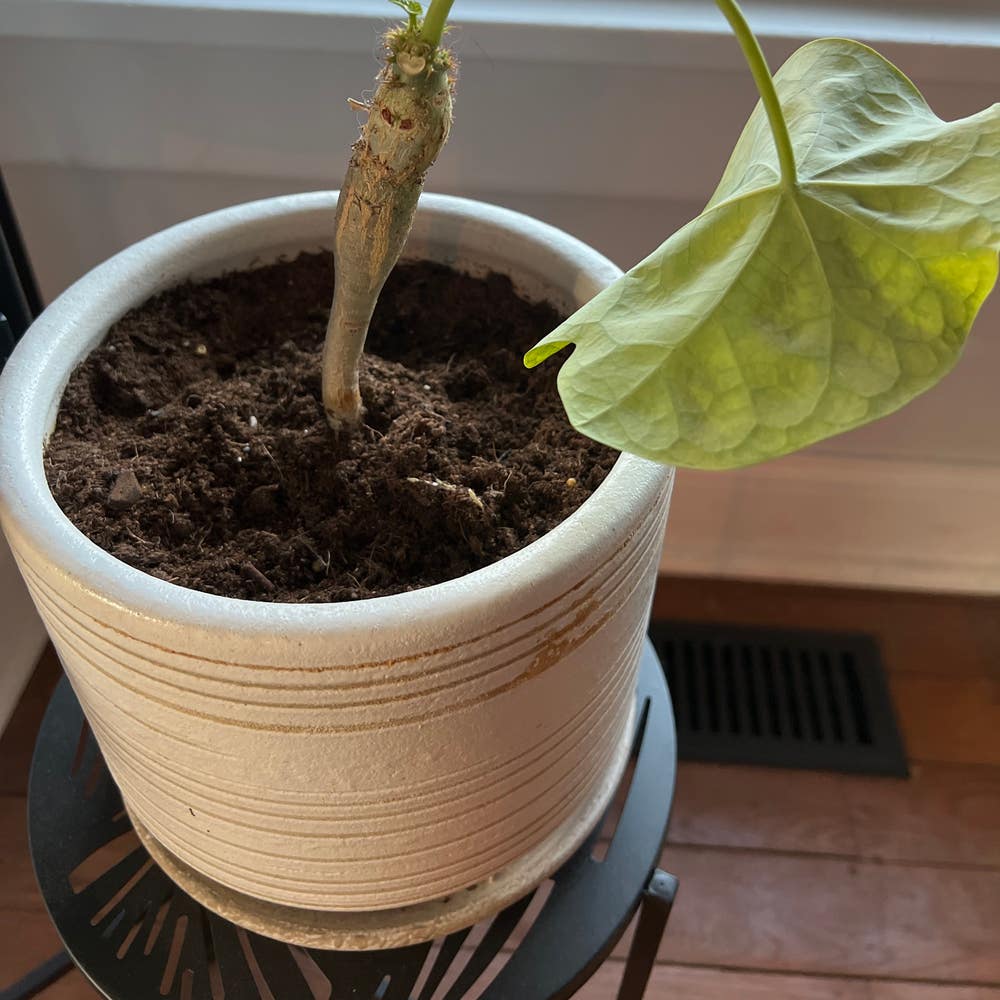
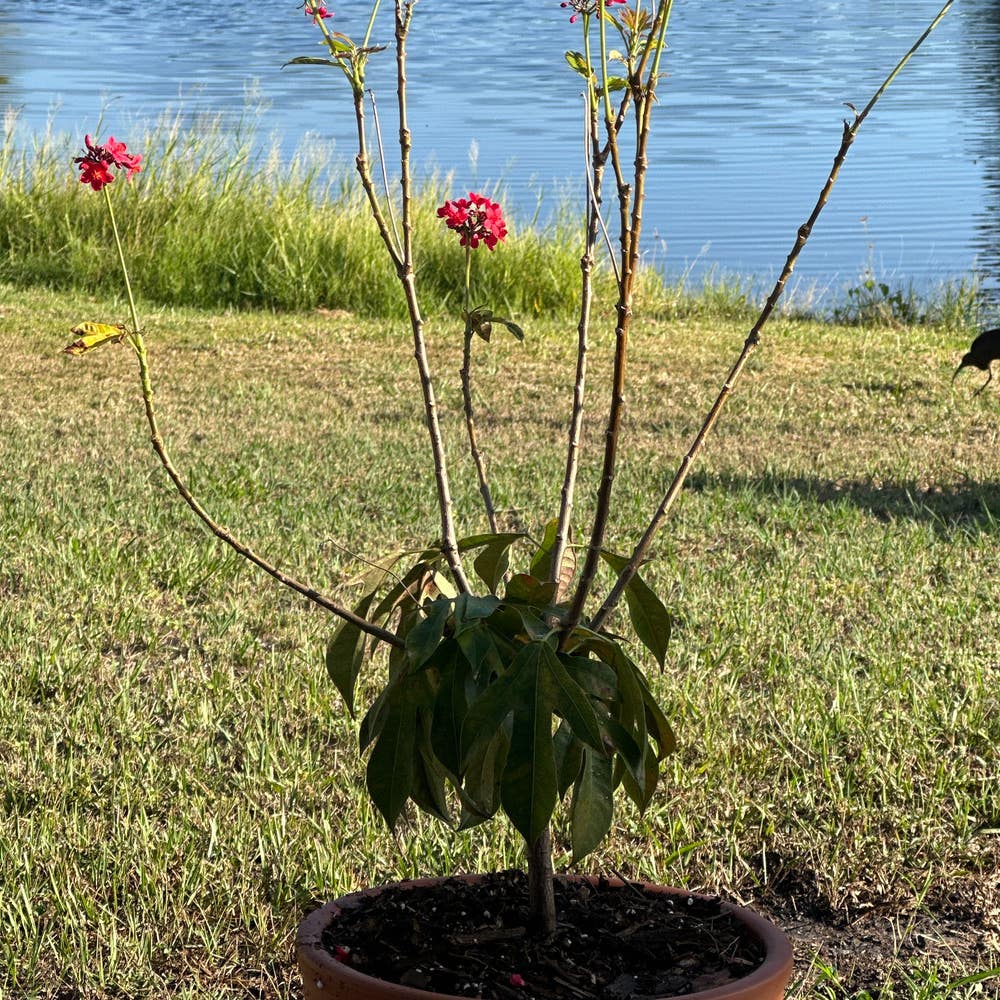
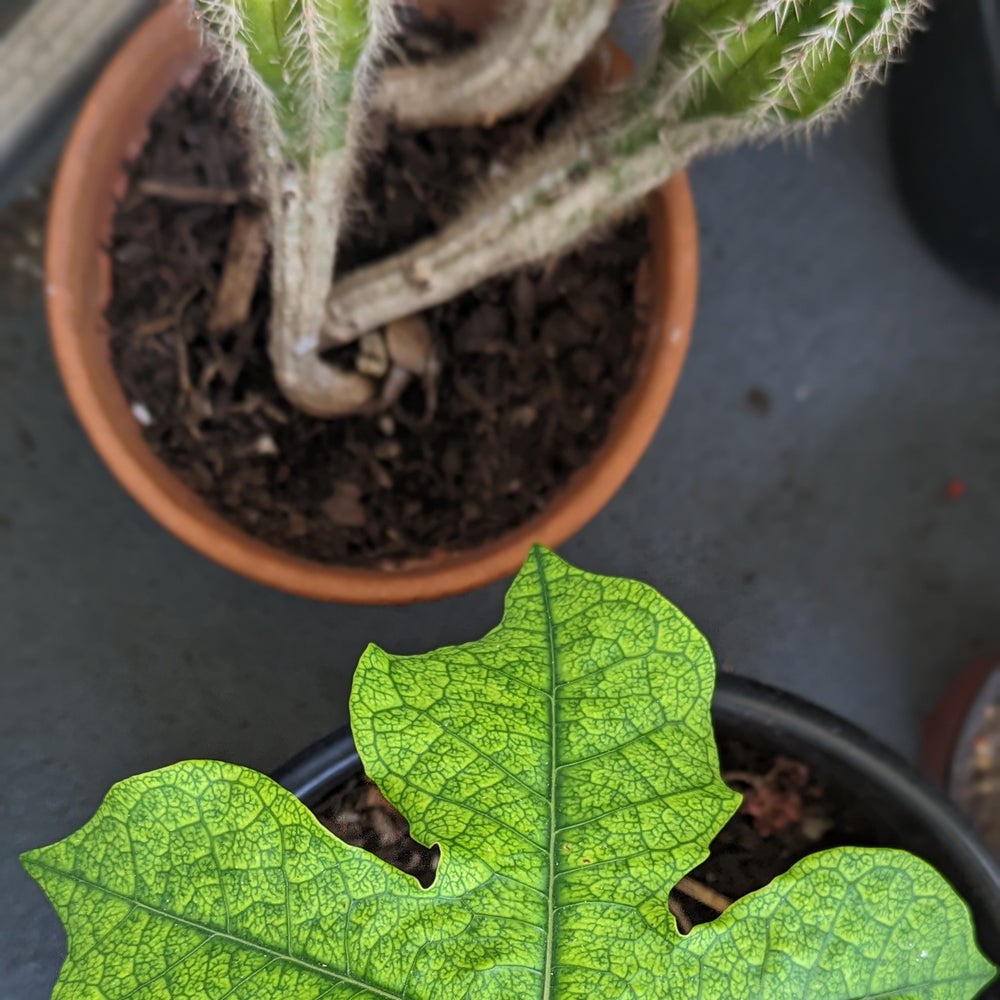
🌊 Step-by-Step Guide to Growing Coral Plant Indoors
Jatropha multifida
By the Greg Editorial Team
Nov 08, 2024•4 min read
This article was created with the help of AI so we can cover more plants for you. May contain errors. See one? Report it here.
Unlock the secret to thriving coral plants with essential care tips for light, water, and growth! 🌱
- 🌞 Coral plants need 6-8 hours of bright, indirect sunlight for optimal growth.
- 💧 Water every 1-2 weeks, allowing soil to dry to prevent root rot.
- 🌿 Humidity levels of 50-70% are essential for thriving coral plants indoors.
Light Requirements
Ideal Conditions 🌞
To thrive, coral plants need bright, indirect sunlight for about 6-8 hours each day. While they can tolerate lower light conditions, this may hinder their flowering potential.
Role of Grow Lights 💡
When natural light is scarce, especially during winter, grow lights become essential. LED or fluorescent lights that provide full-spectrum light are ideal for supplementing your coral plant's needs.
Choosing the Best Grow Light 🛠️
Selecting the right grow light involves several key factors:
- Light Intensity: Aim for a range of 200-400 µmol/m²/s to ensure optimal growth.
- Adjustable Height: Choose lights that can be adjusted as your plant grows, allowing for flexibility.
- Energy Efficiency: Opt for LED lights, as they consume less energy while providing the necessary light.
By understanding these light requirements, you can create the perfect environment for your coral plant to flourish. Next, we’ll explore the watering needs to keep your plant healthy and vibrant.
Watering Needs
Frequency and Amount 🌊
To keep your coral plant thriving, it's essential to establish a proper watering routine. Allow the top 1-2 inches of soil to dry out between waterings, which helps prevent root rot and other issues.
As a general guideline, aim to water your plant every 1-2 weeks. However, be ready to adjust this schedule based on environmental conditions like humidity and temperature.
Signs of Watering Issues 🚨
Understanding the signs of watering problems can save your plant from distress. Overwatering often manifests as yellowing leaves, mushy stems, and root rot, indicating that your plant is drowning.
On the flip side, underwatering can lead to wilting leaves, dry soil, and stunted growth. Keep an eye on your plant's appearance to ensure it receives just the right amount of moisture.
By mastering the art of watering, you'll set your coral plant up for success. Next, let’s explore the optimal humidity and temperature conditions to further enhance its growth.
Humidity and Temperature
🌬️ Optimal Levels
To thrive, coral plants need humidity levels between 50-70%. This range mimics their natural habitat, promoting healthy growth and vibrant foliage.
Control humidity effectively by using a humidifier or placing pebble trays filled with water near your plants. These methods help maintain the moisture levels your coral plant craves.
🌡️ Temperature Preferences
Coral plants prefer a cozy temperature range of 20°C to 30°C (68°F to 86°F). Keeping them within this range ensures they remain happy and healthy.
Be mindful of temperature extremes. Protect your plants from drafts and sudden changes, as these can stress them and hinder their growth.
Soil Type and Fertilization
Best Soil Mix 🌱
For your coral plant to thrive, choose a well-draining potting mix. Incorporating perlite or sand enhances drainage, preventing waterlogged roots.
The ideal soil pH should be slightly acidic to neutral, ranging from 6.0 to 7.0. This pH level supports nutrient availability, ensuring your plant gets what it needs to flourish.
Fertilization Schedule 📅
During the growing season, which spans spring and summer, fertilize your coral plant every 4 to 6 weeks. This regular feeding helps promote healthy growth and vibrant blooms.
Opt for a balanced liquid fertilizer, such as NPK 10-10-10, but remember to dilute it to half strength. This approach provides essential nutrients without overwhelming your plant.
By following these soil and fertilization guidelines, you set the stage for a thriving coral plant. Next, let’s explore common issues and maintenance tips to keep your plant healthy and beautiful.
Common Issues and Maintenance
🐛 Pests and Diseases
Common Pests
Coral plants can attract a few pesky visitors. Keep an eye out for aphids, spider mites, and mealybugs, as they can wreak havoc on your plant’s health.
Prevention and Treatment
To combat these pests organically, consider using neem oil or insecticidal soap. Introducing beneficial insects can also help keep the pest population in check.
🌪️ Environmental Stress
Signs of Stress
Your coral plant may show signs of distress through leaf drop, discoloration, or stunted growth. These indicators suggest that something in its environment needs adjusting.
Solutions
To alleviate stress, adjust the light exposure, improve humidity levels, and maintain stable temperatures. A little tweak can go a long way in restoring your plant's vitality.
🪴 Placement and Maintenance
Best Placement
Position your coral plant near east or west-facing windows for optimal light. Be mindful to keep it away from heating vents or air conditioning units, which can disrupt its humidity levels.
Maintaining Appearance
Regular pruning is essential; remove any dead or yellowing leaves to encourage new growth. Additionally, wipe the leaves to eliminate dust, enhancing photosynthesis and overall health.
🌱 Encouraging Growth
To promote vibrant flowers, ensure your coral plant receives adequate light and proper fertilization. A little attention to these details can lead to a flourishing indoor garden.
With these maintenance tips, your coral plant will thrive, bringing beauty and life to your indoor space. Next, let’s explore the ideal soil type and fertilization practices to keep your plant healthy and happy.
⚠️ Safety First
This content is for general information and may contain errors, omissions, or outdated details. It is not medical, veterinary advice, or an endorsement of therapeutic claims.
Always consult a qualified healthcare professional before using any plant as food, medicine, or supplement.
Never eat any plant (or feed one to pets) without confirming its identity with at least two trusted sources.
If you suspect poisoning, call Poison Control (800) 222-1222, the Pet Poison Helpline (800) 213-6680, or your local emergency service immediately.
Spotted an error? Please report it here.
Transform your indoor space with a thriving coral plant 🌱 by using Greg's tailored care reminders to keep its light, water, and humidity just right!