🌊 Coral Plant: Not an Annual
Jatropha multifida
By the Greg Editorial Team
Nov 08, 2024•5 min read
This article was created with the help of AI so we can cover more plants for you. May contain errors. See one? Report it here.
Elevate your garden with the resilient Coral Plant 🌱, a stunning perennial that thrives season after season!
- 🌱 Coral Plant is a perennial, thriving for years unlike short-lived annuals.
- 🌺 Bright red flowers attract pollinators, enhancing garden beauty and biodiversity.
- 🌍 Resilient and adaptable, it flourishes in tropical climates and can survive dormancy.
Genetic and Physiological Characteristics
🌱 Long-term Lifecycle of Coral Plant
The Coral Plant boasts a fascinating long-term lifecycle. It emerges in spring, flourishing with vibrant growth and blooming through the summer and fall.
In extreme conditions, it may enter a dormant state, but don’t worry—it has the resilience to resprout when conditions improve.
📈 Growth Patterns Specific to Coral Plant
One of the Coral Plant's standout features is its ability to produce new shoots from the base each year. This characteristic not only enhances its beauty but also contributes to its longevity.
Additionally, the Coral Plant thrives in various climates, particularly in tropical and subtropical regions, showcasing its adaptability to different environments.
🌼 Reproductive Strategies
When it comes to reproduction, the Coral Plant is quite resourceful. It produces seeds that can germinate under favorable conditions, ensuring its continued presence in gardens.
Moreover, it can sprout from cuttings, which enhances its perennial nature and makes it a favorite among gardeners looking to propagate their plants easily.
With its impressive lifecycle and growth patterns, the Coral Plant stands out as a resilient and adaptable choice for any garden. Next, we’ll explore how it compares to annual plants, highlighting the unique advantages it offers.
Comparison with Annuals
🌱 Lifecycle Differences
The Coral Plant boasts a lifecycle that spans multiple years, setting it apart from annuals, which complete their lifecycle in just one season. This longevity allows the Coral Plant to thrive and adapt, showcasing its resilience through continuous growth and flowering.
In contrast, annuals typically die back after producing seeds, leaving behind a barren landscape until the next planting season. The Coral Plant, however, remains vibrant, offering a persistent display of life and color throughout its extended lifecycle.
🌼 Growth, Flowering, and Seed Production Differences
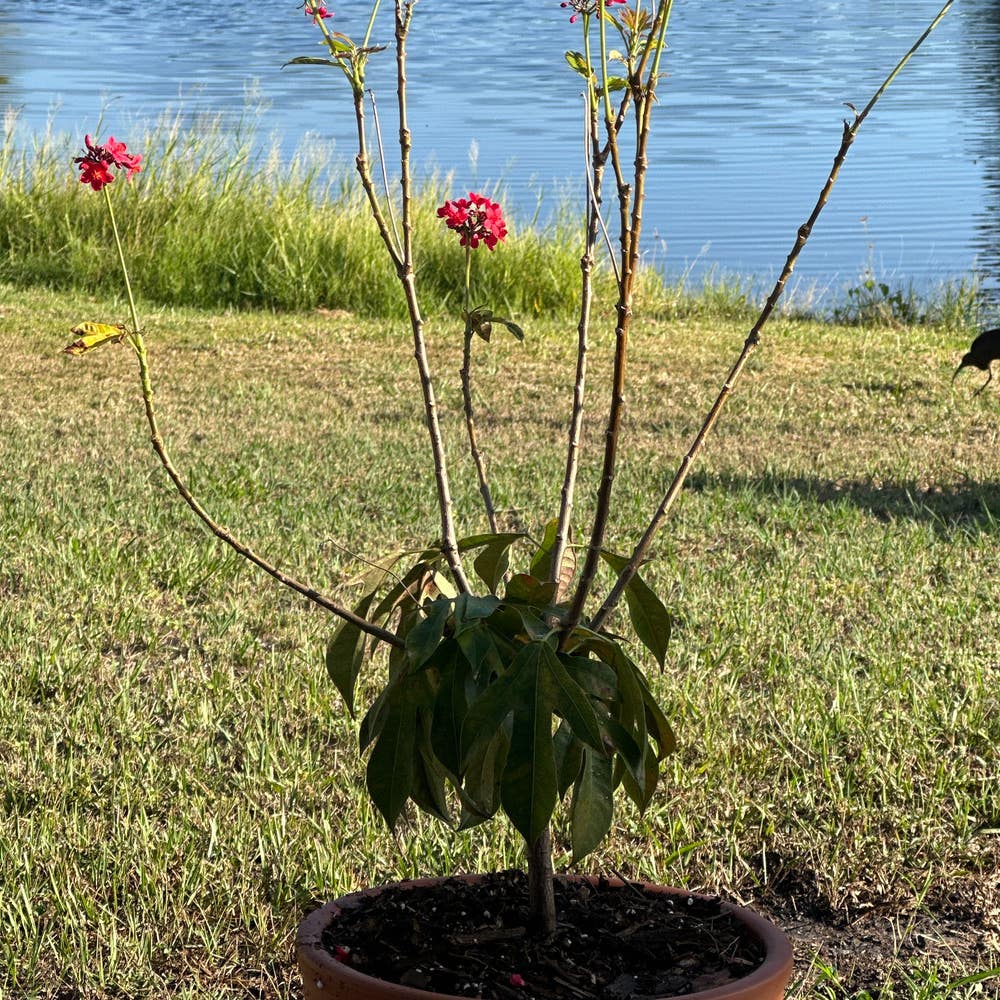
When it comes to flowering, the Coral Plant is a showstopper, producing clusters of bright red flowers that can last for multiple seasons. This extended blooming period not only enhances garden aesthetics but also attracts a variety of pollinators, enriching the ecosystem.
Moreover, the Coral Plant's ability to produce seeds over several years distinguishes it from annuals, which usually generate seeds just once before their lifecycle ends. This capacity for prolonged seed production ensures that the Coral Plant can continue to thrive and spread, reinforcing its status as a perennial powerhouse in the garden.
With these differences in mind, it's clear that the Coral Plant offers unique advantages that can elevate any garden design. Next, let’s explore the regional variations and misconceptions surrounding this remarkable plant.
Regional Variations and Misconceptions
🌱 Conditions Where Coral Plant May Be Mistaken for an Annual
In colder climates, the Coral Plant often faces harsh winters that can hinder its survival. As a result, many gardeners mistakenly treat it as an annual, believing it cannot endure the chill.
This misunderstanding arises from the plant's seasonal appearance. When the Coral Plant dies back in winter, it can easily be confused with true annuals that complete their lifecycle in a single season.
❄️ Exceptions in Treatment
In regions with extreme cold, Coral Plant may indeed be treated as an annual due to its lack of winter hardiness. Gardeners often opt to replant each year, unaware that this vibrant perennial can thrive if given the right conditions.
It's crucial to clarify that the Coral Plant is inherently a perennial. While it may be treated as an annual in some areas, understanding its true nature can lead to better gardening practices and a more vibrant garden year after year.
As we explore the implications of using Coral Plant in garden design, it's essential to recognize these regional variations and misconceptions. They can significantly influence how we approach planting and caring for this resilient species.
Garden Design Implications
🌺 Advantages of Using Coral Plant
Coral Plant is a fantastic long-term investment for any garden. With its vibrant blooms and lush foliage, it offers consistent beauty year after year.
Additionally, these plants are a magnet for pollinators. Their bright flowers not only enhance the visual appeal of your garden but also contribute to local biodiversity, attracting bees and butterflies.
🌿 Tips for Integrating Coral Plant
When incorporating Coral Plant into your garden, consider companion planting. Pairing it with other perennials creates a cohesive and visually appealing landscape.
To ensure year-round interest, plan your garden layout thoughtfully. By integrating Coral Plant with other flowering perennials, you can maintain a dynamic and colorful garden throughout the seasons.
With these strategies, your garden can thrive, showcasing the enduring charm of Coral Plant while supporting a vibrant ecosystem.
Management and Longevity
🌱 Best Practices for Managing Coral Plant
Managing your Coral Plant effectively can lead to vibrant growth and stunning blooms.
Pruning is essential; regularly trimming the plant encourages new growth and helps maintain its shape. This simple practice not only enhances aesthetics but also promotes overall health.
Watering is another critical aspect. Ensure consistent moisture without waterlogging the roots, as this balance is key to fostering healthy growth.
🌟 Tips for Maximizing Longevity
To keep your Coral Plant thriving for years, consider fertilization. Using balanced fertilizers during the growing season supports robust growth and flowering.
Pest management is equally important. Regularly monitor for pests and diseases, and implement organic control methods as needed to protect your plant's health.
By following these best practices and tips, you can enjoy the beauty of your Coral Plant for many seasons to come. Transitioning from care to design, let’s explore how to integrate this perennial into your garden effectively.
⚠️ Safety First
This content is for general information and may contain errors, omissions, or outdated details. It is not medical, veterinary advice, or an endorsement of therapeutic claims.
Always consult a qualified healthcare professional before using any plant as food, medicine, or supplement.
Never eat any plant (or feed one to pets) without confirming its identity with at least two trusted sources.
If you suspect poisoning, call Poison Control (800) 222-1222, the Pet Poison Helpline (800) 213-6680, or your local emergency service immediately.
Spotted an error? Please report it here.
Embrace the Coral Plant's perennial beauty 🌺 and let Greg guide you with tailored care tips to ensure it flourishes in your garden for years to come!