Direct Sunlight and Your Coral Plant 🐠
Jatropha multifida
By the Greg Editorial Team
Nov 08, 2024•5 min read
This article was created with the help of AI so we can cover more plants for you. May contain errors. See one? Report it here.
Maximize your Coral Plant's growth 🌱 by understanding the crucial difference between direct and indirect sunlight!
- 🌞 Direct sunlight can scorch Coral Plants, leading to leaf burn and wilting.
- 🌿 Bright, indirect light for 6-8 hours daily promotes healthy growth and blooms.
- 🪟 Window direction matters: East-facing is ideal, while South can be too intense.
Definition of Direct Sunlight vs. Indirect Sunlight
🌞 Direct Sunlight
Direct sunlight is the unfiltered light that strikes your plant directly, without any barriers. This type of light is intense and can generate significant heat, which may lead to leaf burn if your Coral Plant is exposed for too long.
🌤️ Indirect Sunlight
In contrast, indirect sunlight is light that has been diffused or reflected before reaching your plant. This softer light is less intense and generates less heat, making it a safer option for sensitive plants like the Coral Plant.
Understanding the difference between these two types of sunlight is crucial for ensuring your Coral Plant thrives. By providing the right light conditions, you can promote healthy growth and vibrant blooms.
Coral Plant's Sunlight Needs
🌞 Does Coral Plant Need Direct Sunlight?
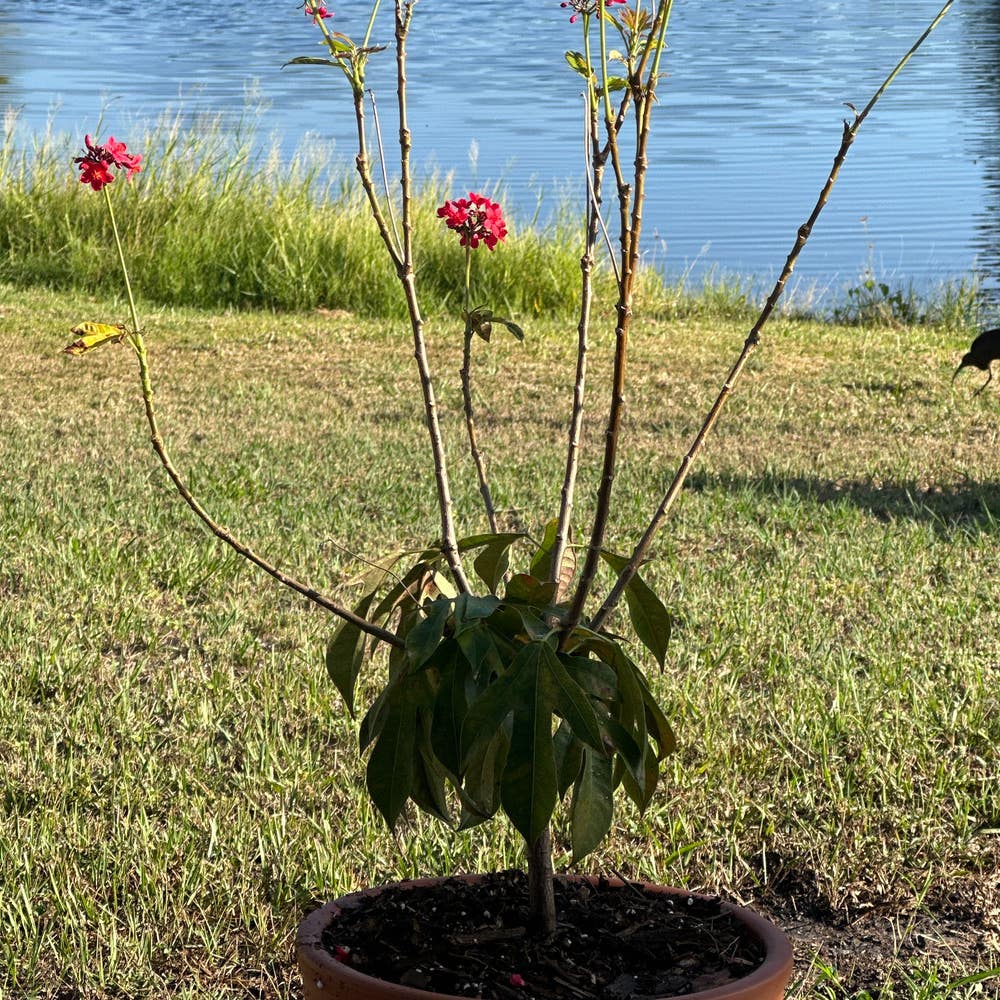
The Coral Plant thrives best in bright, indirect light. This optimal condition promotes healthy growth and vibrant flowering.
Insufficient light can lead to stunted growth and fewer blooms, leaving your plant looking lackluster.
☀️ Can Coral Plant Tolerate Direct Sunlight?
While the Coral Plant has a limited tolerance for direct sunlight, it can handle short bursts. Morning sun is particularly beneficial, as it’s less intense and more forgiving than the harsh afternoon rays.
This means you can give your plant a little sun exposure, but moderation is key to keeping it healthy.
🔥 Effects of Too Much Direct Sunlight on Coral Plant
Excessive direct sunlight can cause leaf scorch, which manifests as browning edges and wilting. Over time, this stress can stunt growth and diminish flowering potential.
To keep your Coral Plant thriving, be mindful of its sunlight exposure and adjust as needed.
Environmental Factors
Role of Window Direction in Sunlight Exposure 🌞
The direction of your windows plays a crucial role in how much sunlight your Coral Plant receives.
South-facing windows: These windows get the most direct sunlight throughout the day. While they are perfect for light-loving plants, the intensity can be too much for your Coral Plant, potentially leading to leaf burn.
East-facing windows: These provide gentle morning light, making them ideal for Coral Plants. The softer rays are less intense and promote healthy growth.
West-facing windows: Expect intense afternoon sun here, which can be harmful. If you choose this direction, consider filtering the light with sheer curtains or blinds.
North-facing windows: Generally, these windows receive low light. This may not be sufficient for your Coral Plant, leading to stunted growth.
Impact of Hemisphere on Sunlight Intensity and Duration 🌍
The hemisphere you live in significantly affects your Coral Plant's sunlight exposure.
Northern Hemisphere: Here, summer days are longer, providing ample light for your plant. However, winter brings shorter days, which may require you to adjust your plant's placement to ensure it gets enough light.
Southern Hemisphere: The seasonal effects are reversed. Understanding local sunlight patterns is essential for optimal Coral Plant care, especially during the changing seasons.
By considering both window direction and your hemisphere, you can create the best environment for your Coral Plant to thrive. This knowledge will help you avoid common pitfalls and ensure your plant receives the right amount of light throughout the year.
Next, let's explore practical tips for plant parents to assess and adjust sunlight conditions for their Coral Plants.
Practical Tips for Plant Parents
🌞 How to Assess Sunlight Conditions for Coral Plant
To ensure your Coral Plant thrives, start by observing the light patterns in your space. You can use a light meter for precision or simply watch how shadows and brightness shift throughout the day.
Aim for bright, indirect light for 6-8 hours daily. This balance is crucial for promoting healthy growth and vibrant blooms.
🌤️ Signs of Too Much or Too Little Sunlight for Coral Plant
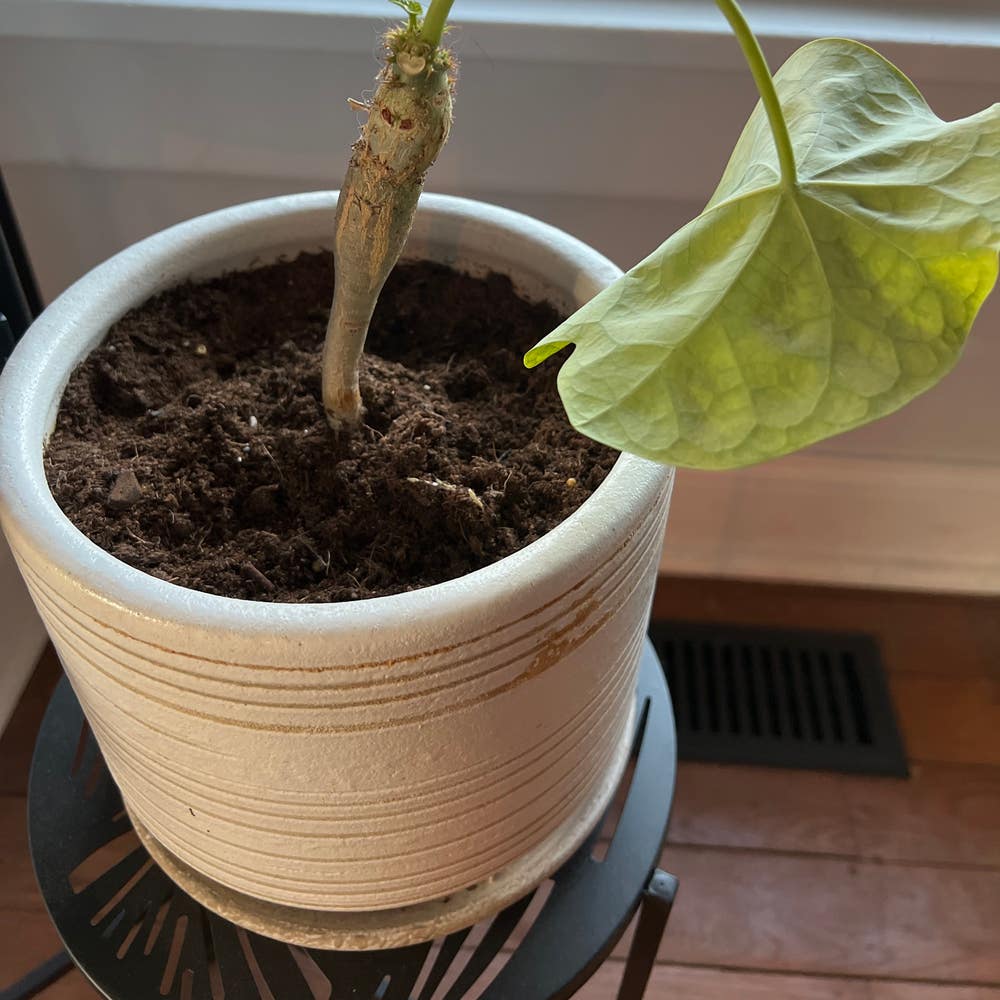
Recognizing the signs of improper sunlight exposure is key to keeping your Coral Plant healthy. If you notice leaf scorch, wilting, or faded colors, your plant is likely getting too much direct sunlight.
On the flip side, if your Coral Plant exhibits stunted growth, a leggy appearance, or fewer flowers, it may not be receiving enough light. Adjusting its placement can make all the difference.
🔄 Adjusting Coral Plant Placement Based on Seasonal Changes
As the seasons change, so do the light conditions in your home. Keep an eye on how daylight lengthens or shortens, and be ready to adjust your Coral Plant's placement accordingly.
Rotating the plant regularly ensures that all sides receive adequate light exposure. This simple practice can help maintain its health and beauty throughout the year.
With these practical tips, you'll be well-equipped to provide the best care for your Coral Plant, ensuring it flourishes in your home. Next, let’s explore some common misconceptions about Coral Plant and sunlight.
Common Misconceptions
🌞 Myths About Coral Plant and Sunlight
A common myth is that the Coral Plant thrives in full direct sunlight all day. While it can handle some direct light, prolonged exposure can actually harm the plant, leading to issues like leaf scorch.
🔍 Clarifying the Difference Between Light Needs and Light Tolerance
Understanding the difference between light needs and light tolerance is crucial for Coral Plant care. Light needs refer to the optimal conditions for growth, while light tolerance indicates how the plant can survive in less-than-ideal situations.
Providing the right conditions is essential for healthy growth and vibrant flowering. By ensuring your Coral Plant receives bright, indirect light, you set the stage for it to flourish beautifully.
As we move forward, let’s explore practical tips for plant parents to assess and adjust sunlight conditions effectively.
⚠️ Safety First
This content is for general information and may contain errors, omissions, or outdated details. It is not medical, veterinary advice, or an endorsement of therapeutic claims.
Always consult a qualified healthcare professional before using any plant as food, medicine, or supplement.
Never eat any plant (or feed one to pets) without confirming its identity with at least two trusted sources.
If you suspect poisoning, call Poison Control (800) 222-1222, the Pet Poison Helpline (800) 213-6680, or your local emergency service immediately.
Spotted an error? Please report it here.
Keep your Coral Plant blooming brilliantly 🌼 by using Greg's tailored light tips to provide the perfect balance of bright, indirect sunlight it craves!