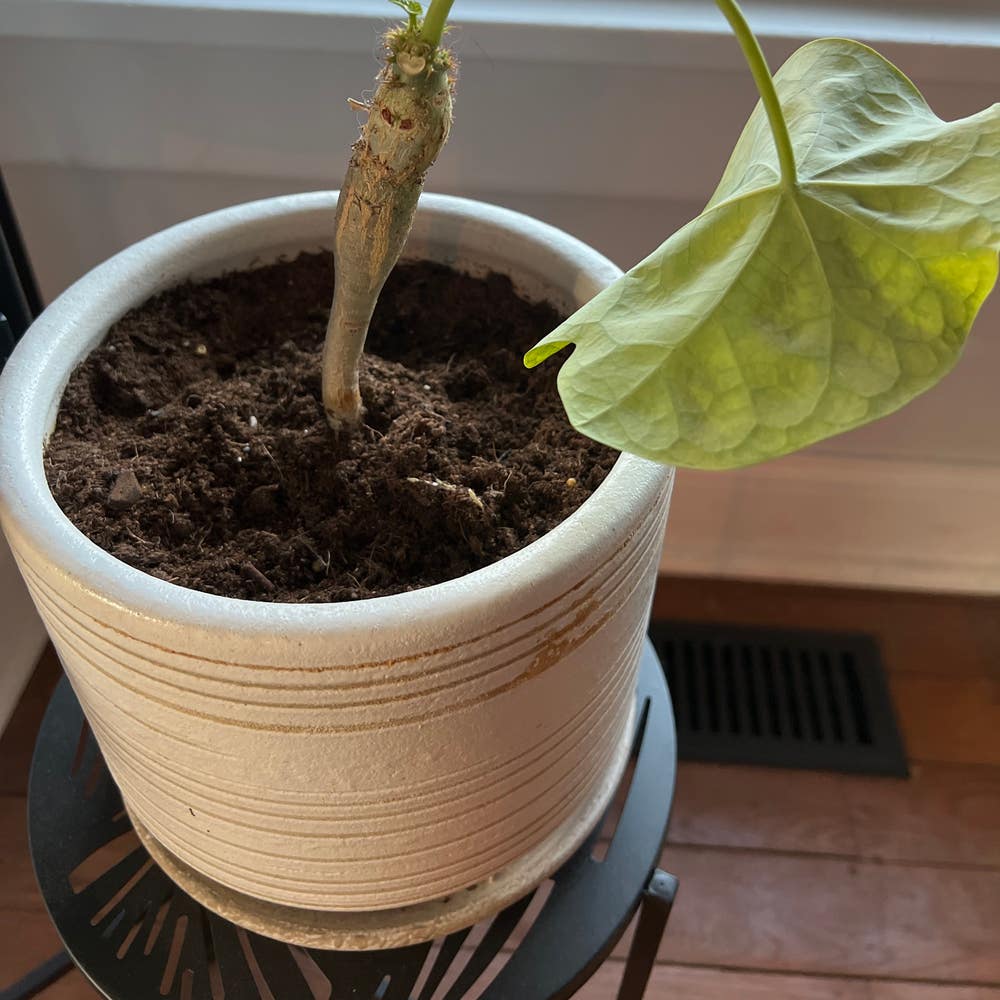
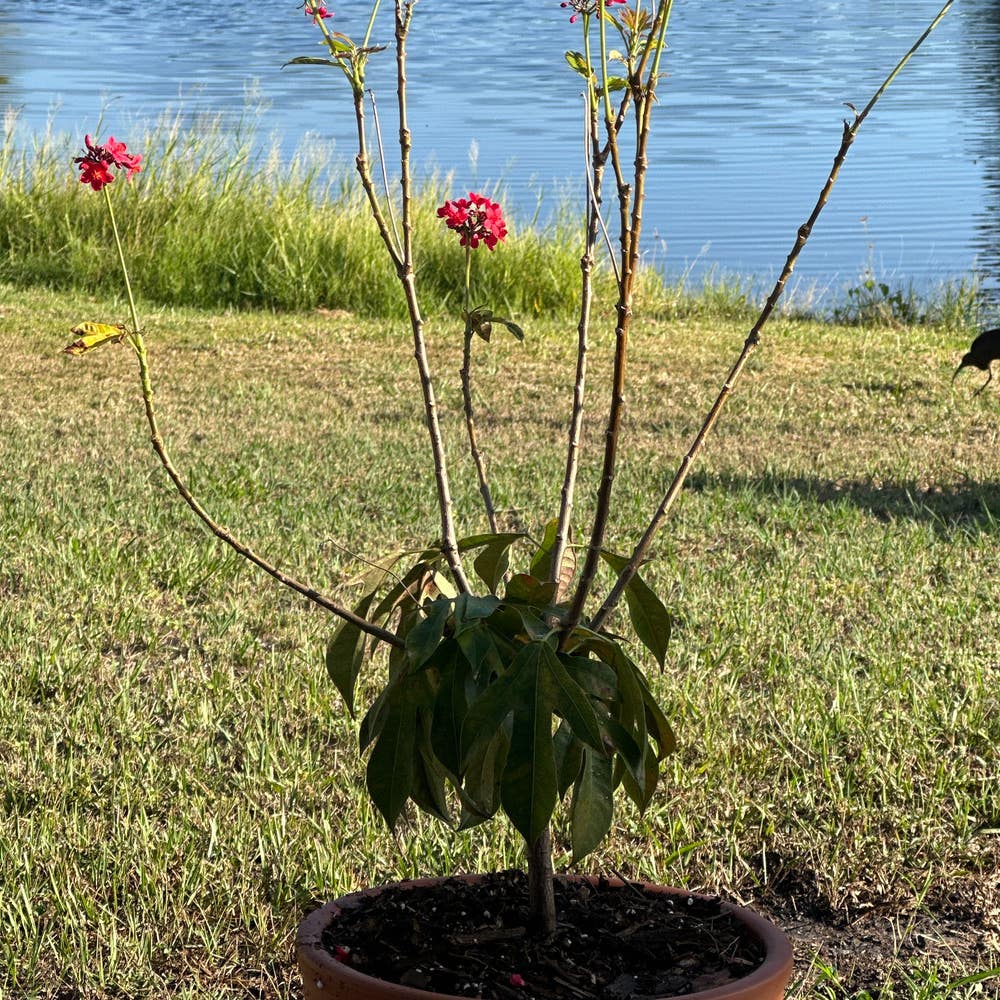
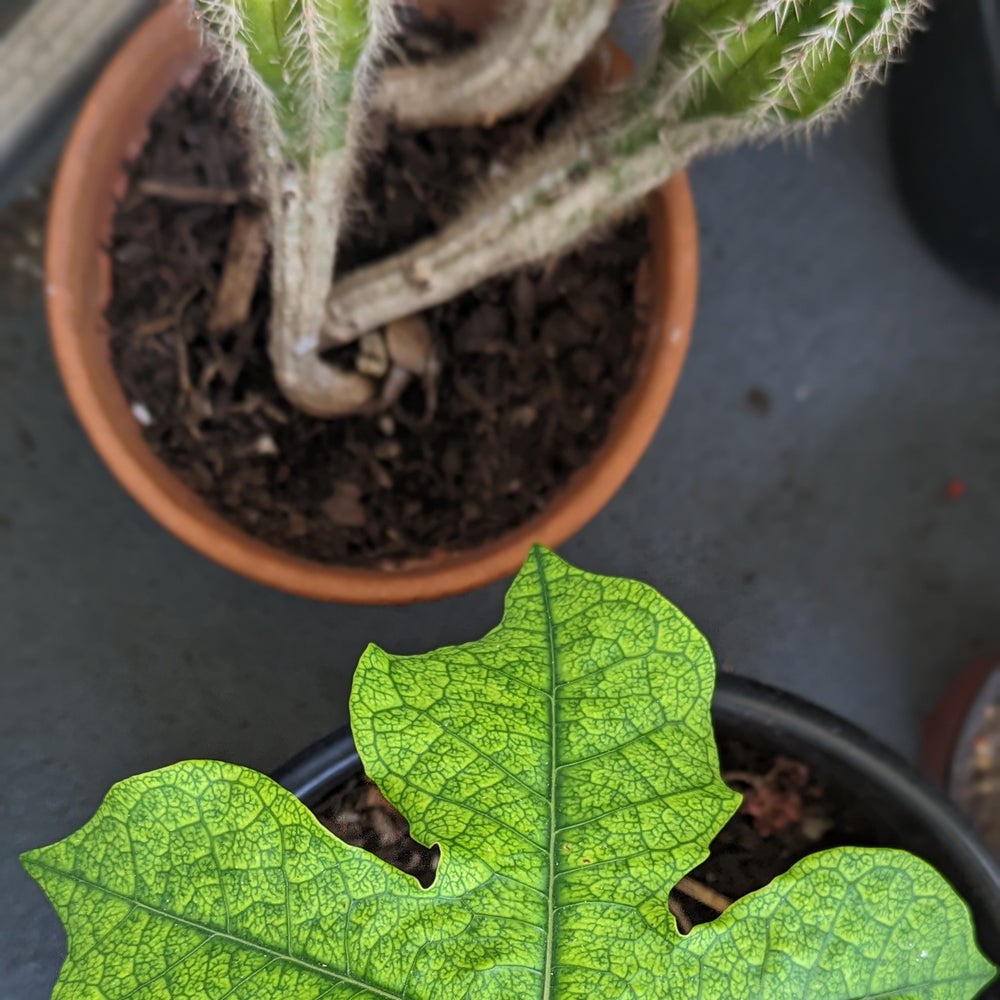
Best Potting Soil Mix for Coral Plant 🐚
Jatropha multifida
By the Greg Editorial Team
Nov 08, 2024•5 min read
This article was created with the help of AI so we can cover more plants for you. May contain errors. See one? Report it here.
Revitalize your coral plant by mastering the signs of unhealthy soil and how to fix them! 🌱
- 🌱 Identify unhealthy soil by checking for discoloration, mold, and compactness.
- 🧪 Create a homemade mix: 40% potting soil, 30% perlite, 30% organic matter.
- 🔍 Regular soil testing every 6-12 months ensures optimal health for your coral plant.
Identifying Unhealthy Soil
Signs of Unhealthy Soil 🌱
Recognizing unhealthy soil is crucial for maintaining the health of your coral plant. Look for visual indicators such as discoloration, mold growth, and compactness, which can signal underlying issues.
These signs often lead to detrimental effects on your plant's health, including stunted growth and wilting. Addressing these problems early can save your plant from further decline.
How to Identify Moldy Soil 🦠
Moldy soil typically presents as fuzzy white or green growth on the surface. This unsightly appearance is a clear indication that something is amiss.
Conditions like overwatering and poor air circulation often promote mold growth. It's essential to address mold promptly, as it can severely impact your plant's health.
Effects of Compacted Soil 🚧
Compacted soil can significantly hinder root health by reducing access to oxygen and water. This lack of essential resources can lead to symptoms such as wilting, yellowing leaves, and stunted growth.
Soil aeration is vital for maintaining plant vitality. Ensuring your soil remains loose and well-draining can help your coral plant thrive.
Resolving Soil Issues
🦠 Solutions for Moldy Soil
Moldy soil can be a serious concern for your coral plant. The first step is to remove any affected soil and roots immediately to prevent further spread.
For treatment, consider using fungicides or natural remedies like cinnamon, which can help combat mold effectively. To prevent mold from returning, adjust your watering practices and improve air circulation around your plants.
🛠️ How to Amend Unhealthy Soil
Amending unhealthy soil is crucial for restoring your coral plant's vitality. Start by adding perlite or sand to improve drainage, and incorporate organic matter to enhance nutrient content.
Follow this simple step-by-step process:
- Assess the current soil condition to identify deficiencies.
- Mix in the amendments thoroughly to ensure even distribution.
- Replant your coral plant if necessary to give it a fresh start.
🌱 Replacing Soil
Sometimes, replacing the soil is the best option, especially when you notice severe soil issues. Look for signs like persistent mold or compacted soil that won’t drain.
Here’s a step-by-step guide for replacing soil:
- Carefully remove the plant from its pot to avoid damaging the roots.
- Gently shake off the old soil from the roots to clear any debris.
- Inspect the roots for damage and trim any unhealthy sections.
- Replant your coral in a fresh, well-draining soil mix to promote healthy growth.
By addressing these soil issues promptly, you can ensure your coral plant thrives in a healthy environment. Next, let’s explore how to create a homemade soil mix tailored to your plant's needs.
Creating a Homemade Soil Mix
🥣 Ingredients for a Homemade Soil Mix
Creating your own potting soil mix is a rewarding endeavor. The essential components include:
- Potting soil (40%): This serves as the base, providing necessary nutrients.
- Perlite or coarse sand (30%): These materials enhance drainage and aeration.
- Organic matter (30%): This boosts nutrient content and supports healthy microbial activity.
You can also consider optional amendments like charcoal for odor control and worm castings for an extra nutrient boost.
🛠️ Step-by-Step Guide to Mixing Soil
Mixing your own soil is straightforward and satisfying. Follow these steps:
- Gather materials: Collect potting soil, perlite, and organic matter.
- Combine ingredients: In a large container, mix the components in the specified ratios.
- Mix thoroughly: Ensure even distribution for optimal performance.
- Test texture: The final mix should feel light and crumbly, promoting healthy root growth.
🌱 Benefits of Using Homemade Soil
Opting for a homemade soil mix comes with several advantages.
- Customization: You can tailor the mix to meet the specific needs of your coral plant.
- Cost-effectiveness: This approach reduces reliance on commercial mixes, saving you money.
- Enhanced nutrient content: Using organic materials leads to better growth and vitality.
Creating your own potting soil not only supports your plants but also deepens your connection to gardening. With the right mix, your coral plant will thrive, setting the stage for a vibrant indoor garden.
Next, let’s explore soil testing and maintenance to ensure your plants continue to flourish.
Soil Testing and Maintenance
How to Test Soil pH 🌱
Testing your soil's pH is crucial for maintaining a healthy coral plant. You can use pH test kits or pH meters for accurate readings.
- Collect a soil sample: Take a small amount from different areas of the pot to get a representative sample.
- Follow kit instructions for testing: Each kit may have specific steps, so read carefully.
- Interpret results and adjust as necessary: If the pH is too high or low, consider amendments to bring it to the ideal range.
Recommended Frequency for Soil Testing ⏰
Aim to test your soil every 6-12 months. Regular testing helps ensure optimal pH and nutrient levels, keeping your coral plant thriving.
Maintaining Soil Health 🌿
Maintaining soil health is an ongoing process that pays off in vibrant plant growth. Here are some best practices to follow:
- Regularly amend soil with organic matter: This boosts nutrient content and improves soil structure.
- Monitor moisture levels to prevent overwatering: Overwatering can lead to root rot and other issues.
- Rotate pots or change soil every few years: This refreshes nutrients and prevents soil compaction.
By following these guidelines, you can create a thriving environment for your coral plant. Healthy soil leads to healthy plants, ensuring they flourish in your care.
Next, let's explore how to create a homemade soil mix tailored to your plant's specific needs.
⚠️ Safety First
This content is for general information and may contain errors, omissions, or outdated details. It is not medical, veterinary advice, or an endorsement of therapeutic claims.
Always consult a qualified healthcare professional before using any plant as food, medicine, or supplement.
Never eat any plant (or feed one to pets) without confirming its identity with at least two trusted sources.
If you suspect poisoning, call Poison Control (800) 222-1222, the Pet Poison Helpline (800) 213-6680, or your local emergency service immediately.
Spotted an error? Please report it here.
Keep your coral plant flourishing with healthy soil 🌿 by using Greg's tailored tips for creating the perfect potting mix and timely reminders to maintain its vitality!