🐠 Growing Your Coral Plant Outdoors
Jatropha multifida
By the Greg Editorial Team
Nov 08, 2024•6 min read
This article was created with the help of AI so we can cover more plants for you. May contain errors. See one? Report it here.
Transform your garden with vibrant coral plants 🌺 by mastering sunlight and watering essentials for thriving growth!
- 🌞 Coral plants need 6-8 hours of sunlight daily for vibrant growth and blooms.
- 💧 Water when the top inch is dry; avoid overwatering to prevent root rot.
- 🌱 Use well-draining soil and fertilize monthly for optimal health and flowering.
Sunlight Requirements
Ideal Sunlight Exposure ☀️
Coral plants thrive best in full sun, which means they need at least 6-8 hours of direct sunlight each day. While they can tolerate partial shade, this can impact their flowering and overall growth.
Impact of Sunlight on Growth 🌱
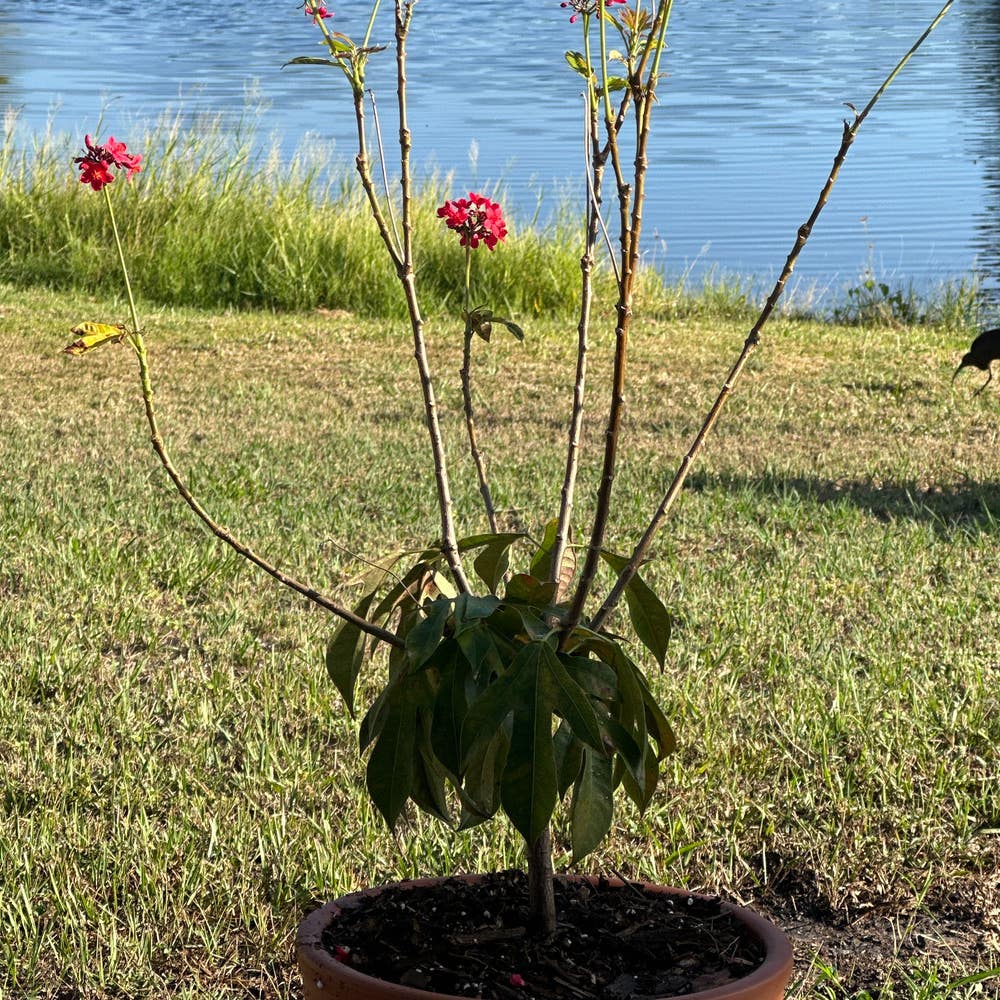
When coral plants don't receive enough sunlight, they may exhibit leggy growth and produce fewer flowers. On the flip side, optimal sunlight exposure leads to vibrant blooms and lush, healthy foliage, making your garden truly pop.
Understanding these sunlight requirements is crucial for ensuring your coral plants flourish. Next, let's dive into their watering needs and how to keep them hydrated.
Watering Needs and Frequency
💧 Watering Guidelines
To keep your coral plant thriving, water it when the top inch of soil feels dry. This simple check helps you gauge when your plant needs hydration.
Deep watering is the way to go. It encourages roots to grow deeper, making your plant more resilient and better able to access nutrients.
🚰 Signs of Overwatering and Underwatering
Be mindful of overwatering; it can lead to yellowing leaves, wilting, and even root rot. If you notice these signs, it’s time to reassess your watering routine.
On the flip side, underwatering can cause drooping leaves and dry, crispy edges. If your plant looks sad, it might be begging for a drink.
Understanding these watering needs is crucial for your coral plant's health. With the right care, you’ll enjoy vibrant blooms and lush foliage all season long.
Next, let’s explore the ideal soil preferences and fertilization strategies to further enhance your plant's growth.
Soil Preferences and Fertilization
🌱 Ideal Soil Conditions
For your coral plant to thrive, well-draining soil is a must. This prevents root rot, which can be a common issue if water accumulates around the roots.
Loamy or sandy soil types are ideal, as they provide good aeration. This ensures that your plant's roots can breathe and grow strong.
📅 Fertilization Schedule
During the growing season—spring and summer—fertilize your coral plant monthly. This regular feeding supports vibrant growth and blooming.
As the seasons change, reduce or eliminate fertilization in fall and winter. Your plant will appreciate the break during its dormant period.
🧪 Types of Fertilizers
When choosing fertilizers, a balanced NPK option, like a 10-10-10 ratio, works wonders. This ensures your plant receives equal parts nitrogen, phosphorus, and potassium.
For those leaning towards organic options, consider fish emulsion or seaweed extract. These natural fertilizers can enhance growth without the harsh chemicals.
With the right soil and fertilization practices, your coral plant will flourish. Next, let’s explore the best planting options to maximize its growth potential.
Planting Options
When it comes to planting your coral plant, you have two main choices: container planting or in-ground planting. Each option has its unique benefits and drawbacks, so let’s dive into what you need to know.
🌱 Container vs. In-Ground Planting
Container Planting
Container planting offers fantastic mobility and allows you to control the soil quality precisely. This means you can easily move your coral plant to optimize sunlight exposure or protect it from harsh weather.
However, container planting does come with limitations. The root space is restricted, which can stunt growth, and you’ll need to water more frequently since containers tend to dry out faster.
In-Ground Planting
On the other hand, in-ground planting provides ample space for root expansion, promoting healthier growth and better moisture retention. This method is ideal for those looking to establish a more permanent garden setup.
Yet, it’s not without its challenges. You’ll have less control over soil conditions, and your coral plant may be more vulnerable to pests and diseases lurking in the ground.
Choosing between these options ultimately depends on your gardening goals and the specific conditions of your outdoor space. Whether you opt for containers or in-ground planting, both methods can lead to a thriving coral plant with the right care.
As you consider your planting options, think about how each method aligns with your gardening style and the environment you’re working with. Next, let’s explore how to protect your coral plant from weather extremes and pesky pests.
Protection from Weather and Pests
🌧️ Weather Protection Strategies
Protecting your coral plants from the elements is crucial for their health. Mulching is a fantastic way to retain soil moisture and regulate temperature, creating a stable environment for your plants.
During unexpected cold snaps, using frost cloths can shield your plants from frost damage. This simple measure can make a significant difference in keeping your coral thriving.
🐛 Common Outdoor Pests and Control Methods
Outdoor pests can pose a real threat to your coral plants. Aphids are notorious for sucking the life out of your plants, but you can combat them effectively with insecticidal soap or neem oil.
Another common pest is the spider mite. To control these tiny invaders, increase humidity around your plants and consider using miticides if the infestation worsens.
🦠 Diseases and Prevention
Preventing diseases is just as important as managing pests. Root rot can be a serious issue, but you can avoid it by ensuring your soil drains well and by following proper watering practices.
Leaf spot is another concern. If you notice affected leaves, remove them promptly and improve air circulation around your plants to reduce the risk of further issues.
By implementing these protective measures, you can ensure your coral plants remain healthy and vibrant. Next, let’s explore the seasonal care and climate zone considerations to keep your plants thriving year-round.
Seasonal Care and Climate Zone Considerations
🌱 Seasonal Care Tips
Caring for your coral plant throughout the seasons ensures vibrant growth and resilience.
Spring: Start with pruning to encourage new growth and begin your monthly feeding routine. This sets the stage for a flourishing season ahead.
Summer: As temperatures rise, increase your watering frequency. Keep an eye out for pests; they love the warmth just as much as your plants do.
Fall: It's time to reduce watering as temperatures cool. Applying mulch will help insulate the roots and retain moisture during the transition.
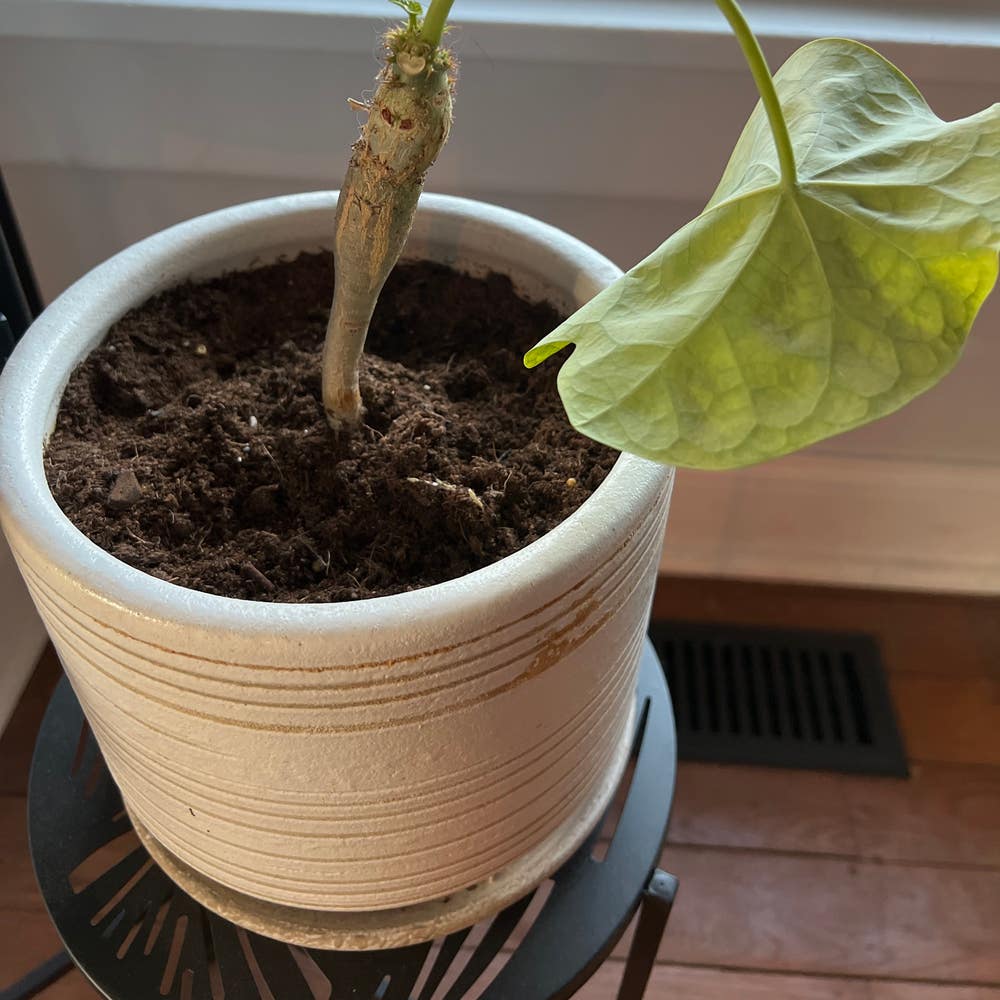
Winter: For container plants, consider bringing them indoors to protect them from frost. In-ground plants may need protective coverings to shield them from harsh winter conditions.
🌍 Climate Zone Adjustments
Understanding your climate zone is crucial for optimal coral plant care.
These plants thrive best in USDA zones 9-11, where frost is less of a concern.
If you're in a warmer climate, be prepared to water more frequently to combat heat stress. Conversely, if you're in a cooler area, increase your protective measures to keep your plants safe from frost damage.
By adjusting your care routine based on seasonal changes and climate conditions, you can ensure your coral plants not only survive but thrive.
Next, let’s explore how to protect your coral plants from weather extremes and pesky pests.
⚠️ Safety First
This content is for general information and may contain errors, omissions, or outdated details. It is not medical, veterinary advice, or an endorsement of therapeutic claims.
Always consult a qualified healthcare professional before using any plant as food, medicine, or supplement.
Never eat any plant (or feed one to pets) without confirming its identity with at least two trusted sources.
If you suspect poisoning, call Poison Control (800) 222-1222, the Pet Poison Helpline (800) 213-6680, or your local emergency service immediately.
Spotted an error? Please report it here.
Transform your outdoor space into a vibrant paradise 🌺 with Greg's tailored care tips, ensuring your coral plants get the sunlight, watering, and nutrition they need to flourish!