What to Do About Droopy Leaves on Your Coral Plant 🪸
Jatropha multifida
By the Greg Editorial Team
Nov 08, 2024•6 min read
This article was created with the help of AI so we can cover more plants for you. May contain errors. See one? Report it here.
Transform your droopy coral plant into a thriving beauty 🌱 with these essential care tips and recovery techniques! 💧
- 🌊 Droopy leaves indicate overwatering or underwatering; check soil moisture regularly.
- 🌡️ Ideal temperatures for coral plants are 65°F to 80°F; avoid extreme conditions.
- 🌿 Maintain humidity between 50%-70% to prevent leaf curling and drooping.
Causes of Droopy Leaves
💧 Overwatering and Its Effects
Overwatering is a common culprit behind droopy leaves on your coral plant. Symptoms include yellowing leaves, mushy stems, and a foul smell emanating from the soil.
When the soil is too saturated, it can lead to root rot, severely limiting oxygen availability to the roots. To prevent this, ensure your plant is in well-draining soil that allows excess water to escape.
🚰 Underwatering and Dehydration
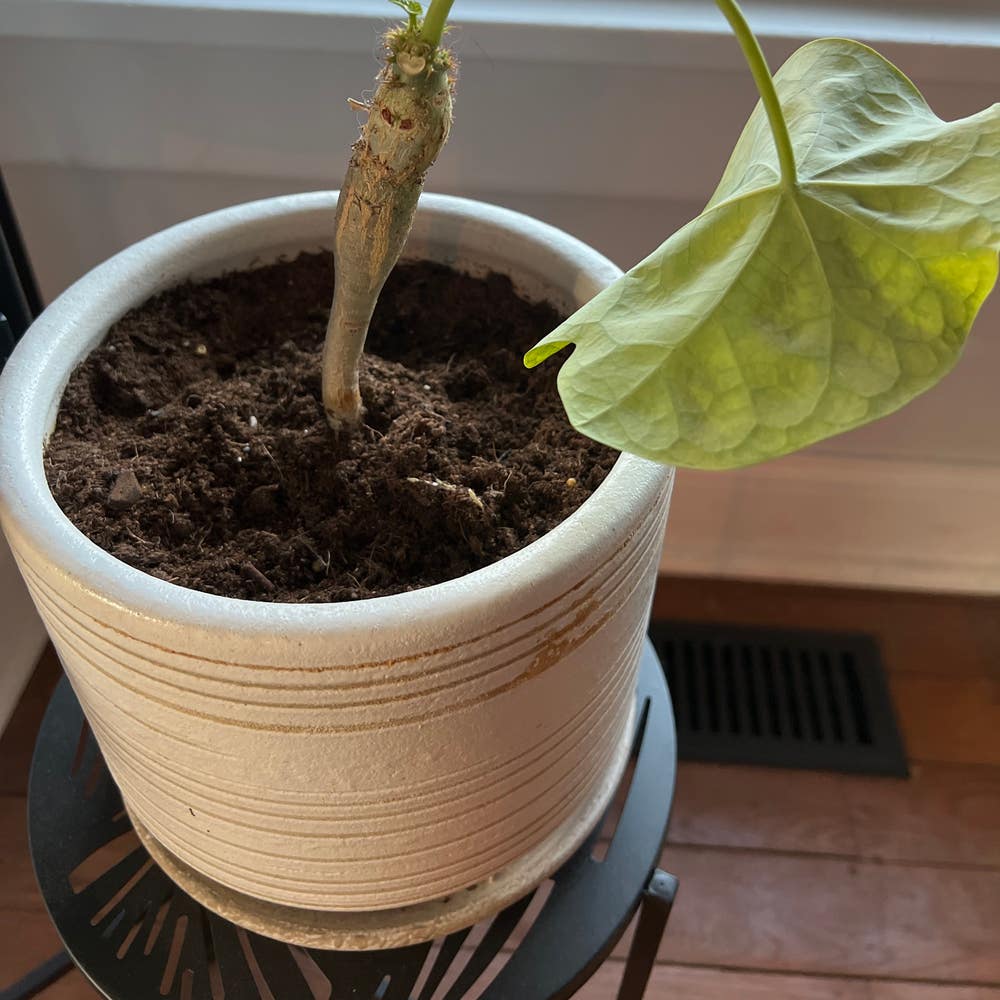
On the flip side, underwatering can also cause droopiness. Signs of dehydration include crispy, dry leaves and noticeable wilting.
Underwatered plants often experience stunted growth and become more susceptible to pests. To maintain health, allow the top inch of soil to dry out before watering again.
🌪️ Environmental Stress Factors
Environmental conditions play a significant role in the health of your coral plant.
🌡️ Temperature Sensitivity
Coral plants thrive in temperatures ranging from 65°F to 80°F (18°C to 27°C). If the temperature strays too far from this range, you may notice leaf droop and discoloration.
💦 Humidity Needs
Humidity is another critical factor, with optimal levels between 50% to 70%. Low humidity can lead to leaf curling and drooping, making it essential to monitor this aspect.
To increase humidity, consider methods like misting, using pebble trays, or investing in a humidifier. These simple adjustments can make a world of difference for your plant's health.
🐛 Pest Infestations
Pests can wreak havoc on your coral plant, leading to droopy leaves. Common offenders include spider mites and aphids.
Signs of pest damage include webbing, sticky residue, and distorted leaves. The stress caused by these pests can result in wilting, so regular inspections are crucial to catch infestations early.
Understanding these causes will help you take the necessary steps to revive your coral plant and keep it thriving. Next, we’ll explore how to diagnose droopy leaves effectively.
Diagnosing Droopy Leaves
💧 Signs of Overwatering vs. Underwatering
Identifying whether your coral plant is suffering from overwatering or underwatering is crucial. Overwatering typically presents as soft, yellow leaves and soggy soil, while underwatering shows up as dry, crispy leaves with soil pulling away from the pot.
🌡️ Identifying Environmental Stress Indicators
Environmental factors can also lead to droopy leaves. Temperature stress manifests as leaves turning brown at the edges, whereas humidity stress often results in leaf tips browning and curling.
🐛 Recognizing Pest Damage
Pests can wreak havoc on your coral plant's health. Conduct a visual inspection, especially on the undersides of leaves, looking for pests. Symptoms of pest damage include stippling on leaves and an overall decline in vigor.
🌱 Assessing Soil Moisture Levels
Understanding soil moisture is key to diagnosing droopy leaves. Use a moisture meter or perform a finger test to check the soil. Ideally, the soil should be moist but not soggy, ensuring your plant receives the right amount of water.
By accurately diagnosing the cause of droopy leaves, you can take effective action to restore your coral plant's health. Next, let’s explore practical solutions to revive your plant and prevent future issues.
Solutions for Droopy Leaves
🌊 Adjusting Watering Practices
Establishing a consistent watering schedule is crucial for your coral plant's health. Water when the top inch of soil feels dry, ensuring you thoroughly saturate the soil until water drains from the bottom.
💧 Improving Humidity Levels
Humidity plays a significant role in keeping your coral plant vibrant. Consider grouping your plants together, using a humidifier, or placing water trays nearby to boost moisture levels.
To keep track of humidity, use a hygrometer to ensure it stays within the optimal range of 50% to 70%.
☀️ Modifying Light Exposure
Light conditions can greatly affect your plant's vitality. Aim for bright, indirect light for 6-8 hours daily, which is ideal for coral plants.
If your plant isn’t getting enough light, adjust its position closer to a window or consider using grow lights to provide the necessary illumination.
🌱 Fertilizing Appropriately
Fertilizing your coral plant can enhance its growth and resilience. Use a balanced NPK fertilizer, applying it every 4-6 weeks during the growing season to provide essential nutrients.
This regular feeding will help your plant recover from droopiness and promote overall health.
🐛 Treating Pests Effectively
Pest infestations can lead to significant stress for your coral plant. Control methods like neem oil, insecticidal soap, or introducing beneficial insects can effectively manage these pests.
Make it a habit to inspect your plants weekly for early signs of infestation, ensuring you catch any issues before they escalate.
By implementing these solutions, you can help your coral plant thrive and prevent droopy leaves in the future. Next, let’s explore recovery techniques to revive plants that have already suffered from droopiness.
Recovery Techniques
Step-by-Step Recovery for Overwatered Plants 🌊
Overwatering can be a serious issue for your coral plant, but recovery is possible. Start by carefully removing the plant from its pot.
Next, inspect the roots for any signs of rot. Trim away any damaged roots to promote healthy growth. After that, repot the plant in fresh, well-draining soil to prevent future issues. Finally, adjust your watering schedule to ensure the top inch of soil dries out before the next watering.
Rehydration Methods for Underwatered Plants 💧
If your coral plant is underwatered, it’s time to rehydrate it properly. Begin by soaking the pot in water for about 30 minutes to allow the soil to absorb moisture.
Once soaked, allow any excess water to drain completely. After this, you can resume your regular watering schedule, ensuring the top inch of soil dries out between waterings.
How to Prune Damaged Leaves ✂️
Pruning is essential for encouraging new growth in your coral plant. For this, you’ll need clean, sharp pruning shears.
Simply cut the damaged leaves at the base. This will help redirect the plant's energy towards healthier growth.
When to Repot for Better Drainage 🪴
Repotting can be crucial for maintaining your plant's health. Look for signs like roots growing out of drainage holes or compacted soil.
If you notice these signs, it’s time to increase the pot size by 1-2 inches in diameter. This will provide your coral plant with the space it needs to thrive.
By following these recovery techniques, you can help your coral plant bounce back from droopy leaves and ensure it remains healthy and vibrant. Next, let’s explore how to adjust your watering practices for optimal plant care.
⚠️ Safety First
This content is for general information and may contain errors, omissions, or outdated details. It is not medical, veterinary advice, or an endorsement of therapeutic claims.
Always consult a qualified healthcare professional before using any plant as food, medicine, or supplement.
Never eat any plant (or feed one to pets) without confirming its identity with at least two trusted sources.
If you suspect poisoning, call Poison Control (800) 222-1222, the Pet Poison Helpline (800) 213-6680, or your local emergency service immediately.
Spotted an error? Please report it here.
Prevent droopy leaves and keep your coral plant thriving 🌿 with Greg's tailored watering reminders and expert tips that ensure your plant gets the care it needs!