5 Facts About Coral Plant Lifecycle 🐠
Jatropha multifida
By the Greg Editorial Team
Nov 08, 2024•5 min read
This article was created with the help of AI so we can cover more plants for you. May contain errors. See one? Report it here.
Cultivate stunning coral plants from seed to bloom 🌺 with this essential guide to their lifecycle!
- 🌱 Coral plant seeds need warmth, moisture, and light for optimal germination.
- 🌼 Flowering occurs in late spring to early summer, attracting pollinators for seed production.
- 🌿 Proper care ensures longevity, with coral plants living 5 to 10 years.
Seed and Germination Stage
🌱 Seed Structure and Characteristics
Coral plant seeds are small and oval-shaped, encased in a hard outer shell. Typically, they exhibit a brown or dark brown color, which is crucial for identifying viable seeds that can successfully germinate.
🌿 Germination Process and Conditions Required
For seeds to germinate effectively, they need specific conditions.
- Ideal Conditions:
- Temperature: A warm range of 20°C to 30°C (68°F to 86°F) is optimal.
- Moisture: Consistent moisture is essential, but avoid waterlogging.
- Light: Some light exposure can enhance germination rates.
The germination process unfolds in three key steps:
- The seed absorbs water and swells.
- The seed coat softens, allowing the embryo to emerge.
- The radicle (root) develops first, followed by the shoot.
⏳ Duration of Germination Stage
The typical duration for successful germination is between 7 to 14 days. Factors such as temperature, moisture levels, and seed quality can significantly influence this timeframe.
Understanding these stages is vital for anyone looking to cultivate coral plants successfully. With the right conditions and care, you can witness the fascinating journey from seed to seedling, setting the stage for the plant's growth.
Seedling Stage
🌱 Characteristics of Seedlings
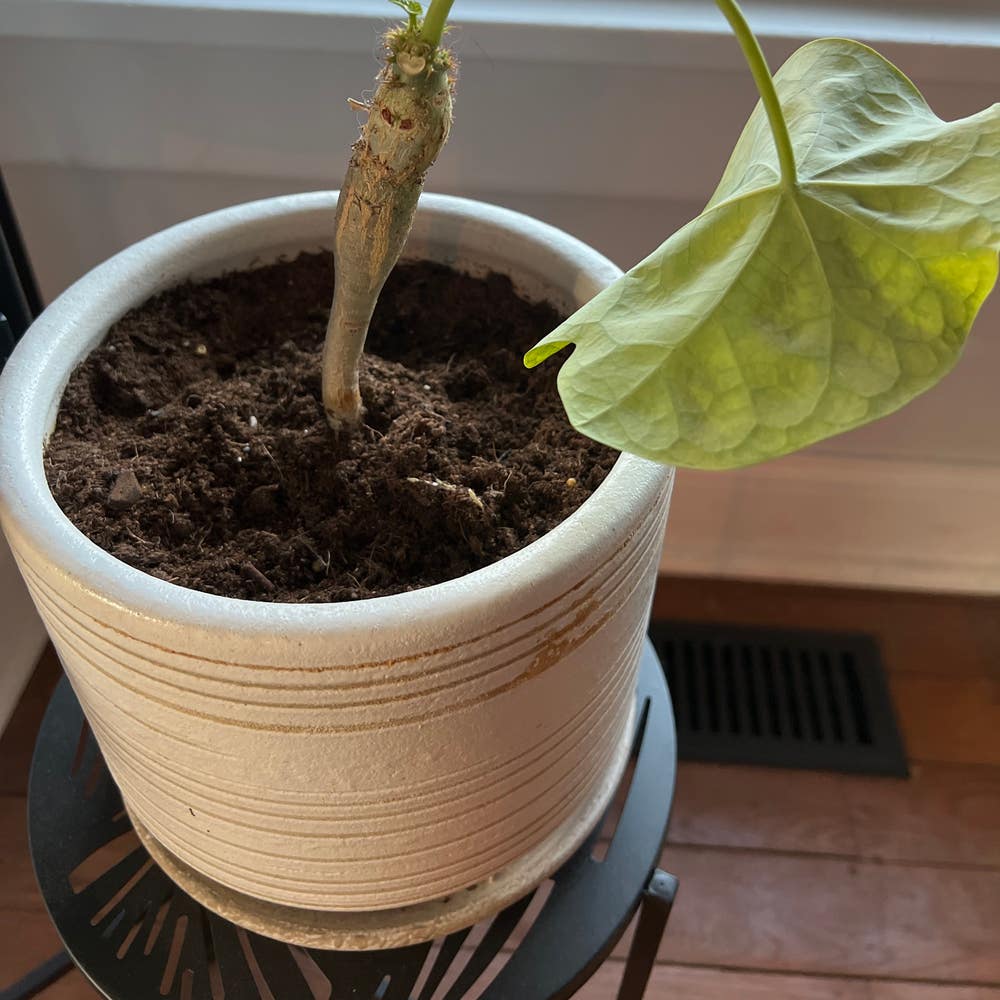
Seedlings are the young plants that emerge after germination. They typically feature small, tender leaves with a lobed structure, showcasing their delicate nature.
Initial growth during this stage is slow and requires careful handling to avoid damage. These tender plants are still establishing their roots and need a gentle touch.
🌞 Environmental Needs During the Seedling Stage
To thrive, seedlings need bright, indirect sunlight. This light exposure is crucial for optimal growth without overwhelming the delicate leaves.
Soil plays a vital role as well; it should be well-draining and nutrient-rich to support early development. Regular but moderate watering is essential to prevent root rot, ensuring the seedlings receive the moisture they need without becoming waterlogged.
⏳ Duration of the Seedling Stage
The seedling stage typically lasts about 4 to 6 weeks. During this time, seedlings develop 2-3 true leaves, signaling they are ready for transplanting.
Recognizing these signs of readiness is key to ensuring a successful transition to the next growth phase. With the right care, your seedlings will flourish and prepare for their journey into the vegetative growth stage.
Vegetative Growth Stage
Description of Growth Characteristics
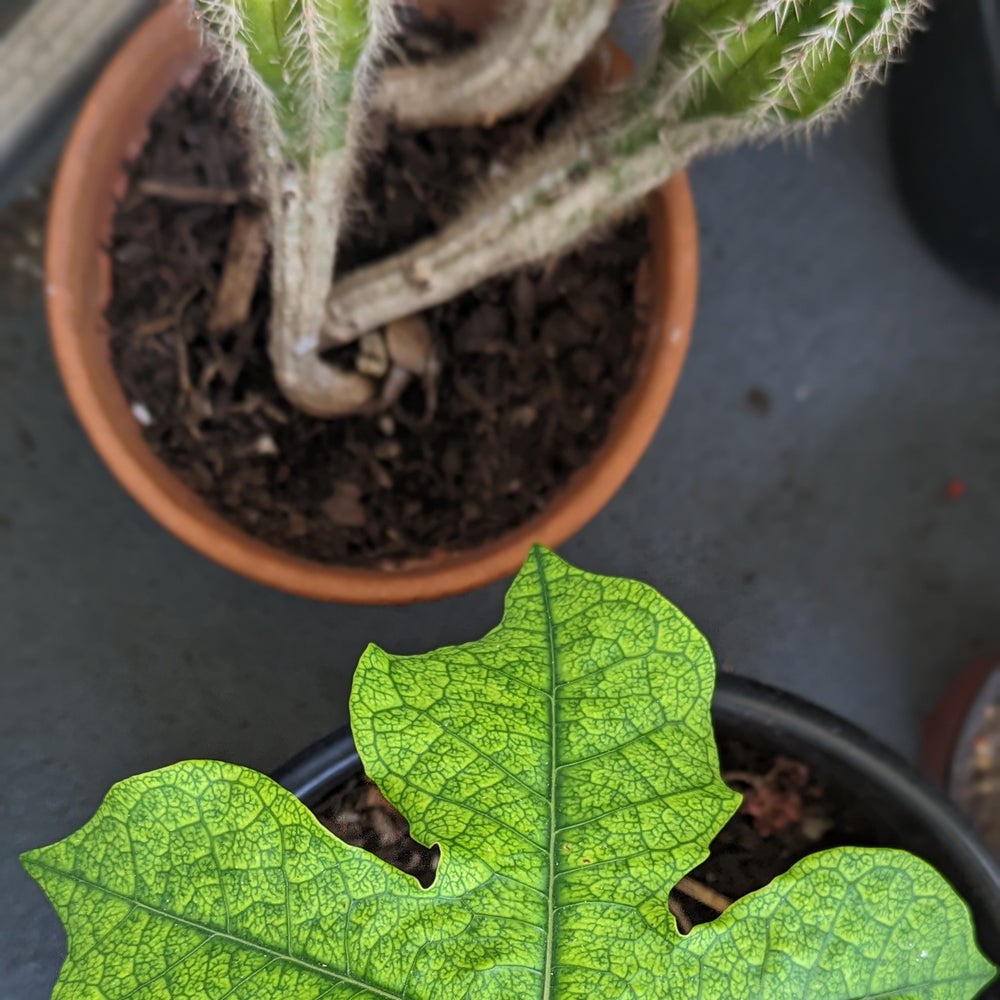
During the vegetative growth stage, the coral plant experiences rapid leaf development and stem elongation. The leaves are distinctive, palmate in shape, and can grow impressively up to 30 cm (12 inches) wide.
Factors Influencing Growth Rate During This Stage
Several factors play a crucial role in determining the growth rate of the coral plant during this stage.
Light Exposure ☀️
Full sun exposure for 6 to 8 hours daily is essential for promoting vigorous growth.
Nutrient Availability 🌱
Regular fertilization with a balanced NPK fertilizer significantly enhances growth, providing the necessary nutrients for robust development.
Watering Practices 💧
Consistent moisture is vital, but care must be taken to avoid overwatering, which can lead to root issues.
Duration of Vegetative Growth Stage ⏳
The typical duration of the vegetative growth stage ranges from 3 to 6 months, depending on environmental conditions.
Growth Milestones 📏
During this time, the plant can reach impressive heights of 1 to 2 meters (3 to 6 feet), showcasing its vigorous growth potential.
As the coral plant thrives in this stage, it sets the foundation for the next exciting phase: flowering.
Flowering Stage
Description of Flowering Process and Characteristics 🌺
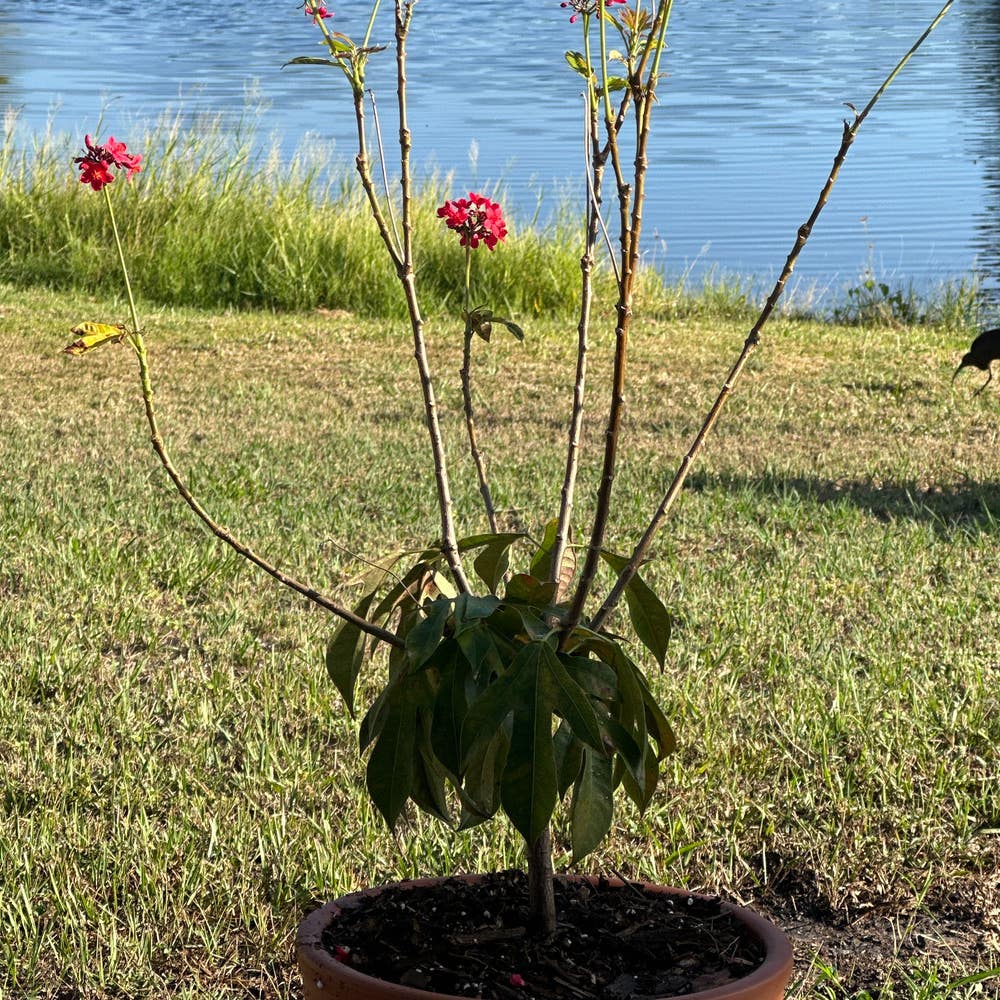
The flowering stage of the coral plant is a vibrant spectacle. Clusters of tubular flowers bloom in striking shades of bright red to pink, creating a stunning visual display.
Typically, this flowering occurs in late spring to early summer, marking a lively period in the plant's lifecycle. The timing is crucial, as it aligns with optimal pollination conditions.
Pollination and Reproductive Strategies 🐝
Pollination is primarily carried out by insects, making the coral plant a magnet for bees and butterflies. This attraction not only enhances biodiversity but also ensures effective seed production.
Interestingly, the coral plant has self-pollination capabilities. This adaptability guarantees that even in the absence of pollinators, the plant can still produce seeds.
Duration of Flowering Stage ⏳
The flowering stage lasts about 4 to 8 weeks, with the potential for continuous blooming under ideal conditions. Factors such as temperature, light, and overall plant health significantly influence this duration.
Maintaining optimal conditions can lead to a spectacular display, enriching your garden and supporting local ecosystems. As we transition to the next stage, understanding the nuances of seed production will further illuminate the coral plant's remarkable lifecycle.
Seed Production and Maturation
Overview of Seed Production Process 🌱
After successful pollination, the flowers of the coral plant transition into seed pods. These pods start as green structures and gradually turn brown and dry as they mature, signaling that they are ready for harvest.
Changes in the Plant During Maturation 🌿
As the plant focuses on seed production, you might notice some visual changes. The leaves may yellow slightly, indicating that energy is being redirected to support the developing seeds.
Overall Lifespan and Factors Affecting It ⏳
In optimal conditions, the coral plant can live between 5 to 10 years. However, its lifespan can be influenced by various factors, including environmental stressors, pests, and diseases.
Proper care throughout all lifecycle stages is crucial to maximizing the plant's longevity. By ensuring the right conditions and addressing any challenges, you can help your coral plant thrive for years to come.
As we explore the next stage, we'll delve into the fascinating dynamics of the coral plant's flowering process.
⚠️ Safety First
This content is for general information and may contain errors, omissions, or outdated details. It is not medical, veterinary advice, or an endorsement of therapeutic claims.
Always consult a qualified healthcare professional before using any plant as food, medicine, or supplement.
Never eat any plant (or feed one to pets) without confirming its identity with at least two trusted sources.
If you suspect poisoning, call Poison Control (800) 222-1222, the Pet Poison Helpline (800) 213-6680, or your local emergency service immediately.
Spotted an error? Please report it here.
Unlock the secrets of the coral plant lifecycle and watch them flourish 🌺 with Greg's tailored care tips and reminders that guide you from seed germination to vibrant blooms!