5 Tips for Healthy Coral Plant Roots 🐚
Jatropha multifida
By the Greg Editorial Team
Nov 08, 2024•8 min read
This article was created with the help of AI so we can cover more plants for you. May contain errors. See one? Report it here.
Master coral plant roots for vibrant growth and thriving gardens! 🌱 Discover essential care tips today.
- 🌱 Healthy coral plant roots enhance stability and nutrient access for vibrant growth.
- 💧 Prevent root rot by using well-draining soil and watering only when dry.
- 🌿 Transplant in spring to minimize root disturbance and promote recovery.
Root System Characteristics
Type of Root System 🌱
Coral plants typically exhibit a fibrous root system, characterized by numerous thin roots that spread out widely. This type of root system offers several advantages, including enhanced stability and improved access to nutrients and water.
In comparison to taproot systems, which feature a single, deep root, fibrous roots are more effective in shallow soils. They can quickly absorb moisture and nutrients from the surface, making them ideal for environments where water is scarce.
Specific Characteristics of Roots 🌍
Coral plant roots are generally shallow yet wide-spreading, allowing them to cover a large area for resource gathering. This adaptation is crucial for efficient nutrient and water uptake, especially in diverse soil conditions.
Moreover, these roots exhibit remarkable resilience to drought and stress factors. Their ability to spread horizontally helps them tap into moisture reserves, ensuring the plant remains healthy even in challenging environments.
Understanding these root characteristics is essential for providing the right care and ensuring the overall health of your coral plants. With this knowledge, you can better support their growth and vitality.
As we delve deeper into root health, let's explore how root depth and spread influence care practices.
Root Depth, Spread, and Growth Patterns
🌱 Typical Root Depth and Spread
Coral plants typically develop a root depth of 12 to 18 inches (30 to 45 cm). In well-draining soil, their roots can spread horizontally up to 3 feet (90 cm), allowing them to access nutrients and water efficiently.
📈 Growth Patterns and Implications for Care
These plants exhibit rapid growth when conditions are optimal, which can be a double-edged sword. While this growth is a sign of health, it also means that careful attention to watering and fertilizing is crucial.
The spread of the root system directly influences how you manage these aspects. A wider root spread means that the plant can absorb moisture and nutrients from a larger area, but it also requires more frequent watering to keep the soil adequately moist.
Soil type and drainage play a pivotal role in root health. Well-draining soil prevents waterlogging, which can lead to root rot, while poor drainage can stifle root growth. Always consider these factors to ensure your coral plants thrive.
Understanding these growth patterns helps you provide the right care. By monitoring your plant's root depth and spread, you can adjust your watering and fertilizing practices accordingly, ensuring robust and healthy growth.
Next, we’ll explore how the root system affects watering needs, helping you fine-tune your care routine even further.
Watering, Fertilizing, and Transplanting
🌱 How the Root System Affects Watering Needs
Understanding your coral plant's root system is crucial for effective watering. The fibrous roots require consistent moisture but can be sensitive to overwatering.
Signs of overwatering include yellowing leaves and a soggy soil texture, while underwatering often manifests as wilting or browning leaf tips. Adjust your watering frequency based on these indicators to maintain root health.
🌿 Fertilization Techniques Tailored to Root Health
Fertilizing your coral plants is essential for robust root growth. Use balanced NPK fertilizers to provide the necessary nutrients, ensuring your plants thrive.
Timing is key; fertilize during the growing season, typically in spring and summer, to support active root development. Regular feeding every 4-6 weeks can make a significant difference in root vitality.
🌼 Best Practices for Transplanting
Transplanting is a delicate process that can significantly impact root health. The best time to transplant is in spring when the plant is actively growing.
Follow these steps for successful transplanting:
- Prepare the new pot with well-draining soil.
- Gently remove the plant from its current pot.
- Inspect and trim any damaged roots.
- Place the plant in the new pot and water thoroughly.
Taking these precautions minimizes root disturbance and promotes healthy growth in your coral plants.
With proper watering, fertilizing, and transplanting techniques, you can ensure your coral plants develop strong, healthy roots. Next, let’s explore common root-related issues and how to address them effectively.
Common Root-Related Issues
Identification of Common Root Problems 🌱
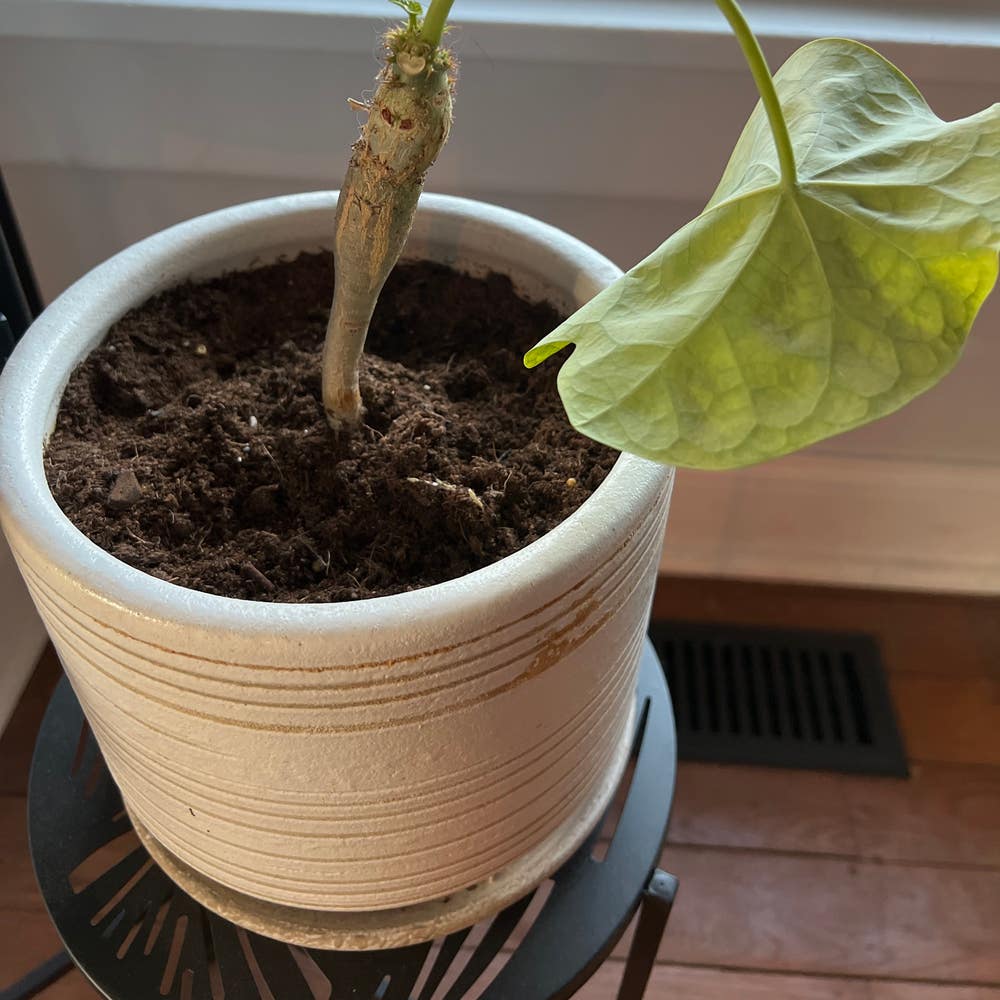
Root health is crucial for the overall vitality of coral plants. One of the most common issues is root rot, which occurs when roots sit in waterlogged soil, leading to decay. Symptoms include dark, mushy roots and a foul smell. This condition is often caused by overwatering or poor drainage.
Another concern is pests that affect roots. Common culprits include nematodes and fungus gnats. Signs of infestation can manifest as stunted growth, wilting, or visible pests in the soil. Keeping an eye out for these indicators can help you catch problems early.
Prevention and Solutions for Root-Related Issues 🛠️
Preventing root rot starts with proper watering practices. Ensure that your coral plants are in well-draining soil and only water when the top inch feels dry. Overwatering is a common mistake, so always check before adding more moisture.
For pest control, consider using organic methods. Neem oil or insecticidal soap can effectively manage root pests without harming the plant. Regular inspections of the root zone can also help you catch any issues before they escalate.
Incorporating these best practices into your routine will keep your coral plants thriving. Healthy roots lead to vibrant growth, so prioritize their care to enjoy a flourishing garden.
Indicators of Root Health
👀 Visual Cues for Healthy vs. Unhealthy Roots
Healthy roots are a sight to behold. They should feel firm and exhibit a white or light tan color, indicating vitality and proper function.
In contrast, unhealthy roots tell a different story. Look for dark, mushy, or foul-smelling roots, which are clear signs of distress and potential rot.
📊 Other Indicators of Root Health
Beyond the roots themselves, overall plant vigor is a crucial indicator. Pay attention to leaf color, growth rate, and flowering; these factors reflect the health of the root system.
Changes in plant behavior can also signal root issues. If you notice wilting or stunted growth, it’s time to investigate the roots for potential problems.
Understanding these indicators helps you maintain a thriving coral plant. By keeping an eye on both the roots and the overall health of the plant, you can ensure a robust and flourishing garden.
Next, we’ll explore how to recognize and address rootbound conditions, which can significantly impact your plant’s health.
Recognizing and Addressing Rootbound Conditions
🌱 Definition and Recognition of Rootbound Conditions
Rootbound conditions occur when a plant's roots grow too densely within its pot, leading to a cramped environment. This can hinder growth and nutrient absorption, ultimately affecting the plant's health.
Signs of rootbound plants include roots circling the pot and stunted growth. If you notice your plant is not thriving despite proper care, it might be time to investigate its root situation.
🔧 When and How to Address Rootbound Issues
Timing is crucial when it comes to repotting a rootbound plant. Ideally, you should repot during the active growth period, typically in spring, when the plant can recover more easily.
To alleviate rootbound conditions, follow these steps:
- Remove the plant from the pot.
- Gently loosen and trim any circling roots.
- Repot the plant in a larger container filled with fresh soil.
These actions will help your plant regain its vigor and promote healthy growth. By addressing rootbound issues promptly, you ensure your coral plants continue to thrive in their environment.
Understanding and managing root health is essential for maintaining vibrant plants. Next, we’ll explore propagation and division techniques that further emphasize the importance of healthy roots.
Propagation and Division
🌱 Importance of Root Health in Propagation
Healthy roots are the backbone of successful propagation. They not only support the plant's growth but also ensure that new sections can thrive after being separated.
Timing is crucial when propagating Coral Plants. The best results come during active growth periods, typically in spring or early summer, when the plant is most vigorous.
✂️ Techniques for Dividing While Maintaining Root Integrity
Dividing Coral Plants requires careful attention to root health. Follow these steps for effective division:
- Choose a healthy parent plant. Look for one that shows strong growth and vibrant leaves.
- Carefully separate sections with roots intact. Use a clean, sharp tool to minimize damage.
- Replant immediately in suitable soil. Ensure the new pot has well-draining soil to promote healthy root development.
Aftercare is essential for recovery. Water the newly divided plants thoroughly and place them in a location with indirect sunlight to help them adjust without stress.
By focusing on root health during propagation and division, you set the stage for thriving Coral Plants that can flourish in their new environments. This attention to detail not only enhances your gardening skills but also deepens your connection to these beautiful plants.
As we explore the next section, we'll delve into recognizing and addressing rootbound conditions, ensuring your plants continue to grow strong and healthy.
⚠️ Safety First
This content is for general information and may contain errors, omissions, or outdated details. It is not medical, veterinary advice, or an endorsement of therapeutic claims.
Always consult a qualified healthcare professional before using any plant as food, medicine, or supplement.
Never eat any plant (or feed one to pets) without confirming its identity with at least two trusted sources.
If you suspect poisoning, call Poison Control (800) 222-1222, the Pet Poison Helpline (800) 213-6680, or your local emergency service immediately.
Spotted an error? Please report it here.
Nurture healthy coral plant roots with Greg's tailored watering and fertilization reminders, ensuring your plants thrive and flourish! 🌿