Ultimate Guide to Pollinating Coral Plant 🐝
Jatropha multifida
By the Greg Editorial Team
Nov 08, 2024•5 min read
This article was created with the help of AI so we can cover more plants for you. May contain errors. See one? Report it here.
Boost your garden's vitality 🌱 by understanding flower structures and supporting essential pollinators for thriving plants!
- 🌺 Coral plants attract bees, butterflies, and hummingbirds with vibrant flowers and sweet scents.
- 🌱 Self-pollination boosts seed set, while cross-pollination enhances genetic diversity and resilience.
- 🌼 Creating a pollinator-friendly garden supports local species and improves coral plant success.
Flower Structure
Description of Flower Characteristics 🌺
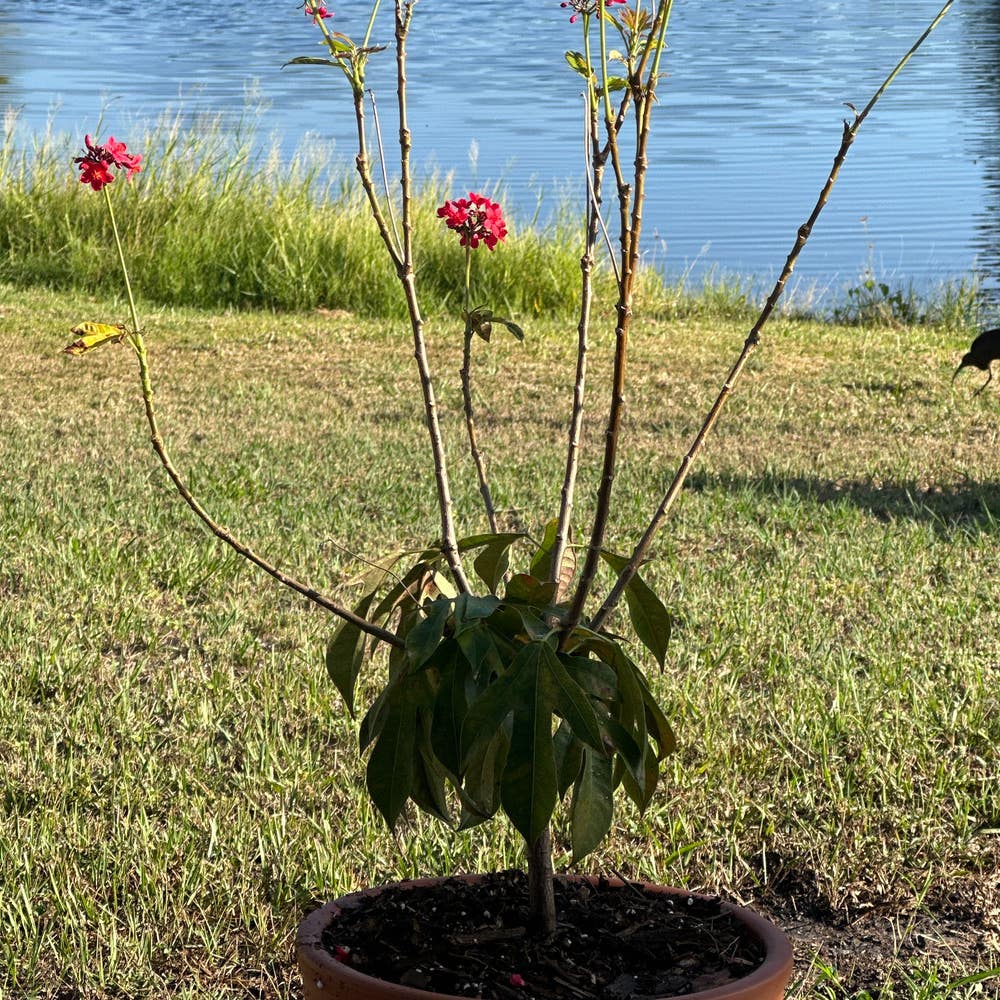
The coral plant boasts stunning star-shaped flowers, each featuring five distinct petals. Their vibrant red or yellow hues not only catch the eye but also serve as a beacon for various pollinator species.
Flowers grow in clusters, which significantly enhances their visibility. This arrangement makes it easier for pollinators to locate and access the nectar, ensuring effective pollination.
Role of Flower Structure in Pollination 🐝
The design of the coral plant's flowers plays a crucial role in its pollination strategy. Self-pollination occurs when pollen from the anthers falls onto the stigma of the same flower, allowing the plant to reproduce even without external pollinators.
This self-pollination mechanism increases seed set, ensuring the plant can thrive in less-than-ideal conditions. On the other hand, the structure also promotes cross-pollination by attracting multiple pollinator species, which is vital for genetic diversity.
Cross-pollination enhances the resilience and adaptability of the coral plant. By encouraging visits from various pollinators, the plant can better withstand environmental changes and challenges, securing its place in the ecosystem.
With a solid understanding of the flower structure, we can now explore the fascinating pollination process that follows.
Pollination Process
Self-Pollination Explanation 🌼
Self-pollination occurs when pollen from the anthers falls onto the stigma of the same flower. This efficient process ensures that even without external pollinators, the plant can still produce seeds.
In addition to self-pollination, cross-pollination plays a crucial role. It increases seed viability and genetic diversity, which is essential for the plant's adaptability and resilience.
Identification of Primary Pollinators 🐝
Understanding the primary pollinators is key to appreciating the pollination process.
Bees
Bees are vital players in this ecosystem. They collect nectar and pollen, facilitating the transfer of pollen between flowers.
Butterflies
Butterflies are attracted to the bright colors and sweet nectar of coral plants. Their visits not only help in pollination but also enhance genetic diversity through cross-pollination.
Hummingbirds
Hummingbirds frequently visit these flowers, drawn by their vibrant colors and nectar. While feeding, they play a significant role in transferring pollen, further supporting the plant's reproductive success.
Attraction Mechanisms for Pollinators 🎉
The mechanisms that attract pollinators are fascinating.
Color and Scent of Flowers
Bright colors and sweet fragrances are irresistible to various pollinator species. These visual and olfactory cues signal the availability of food, drawing them in.
Nectar Availability
Nectar serves as a crucial food source for pollinators. By providing this resource, coral plants encourage repeated visits, ensuring effective pollination.
With a solid understanding of the pollination process, we can now explore how to support these essential pollinators in their environment.
Hand Pollination Instructions
Hand pollination can be a rewarding way to ensure your coral plants thrive. Follow these simple steps to effectively transfer pollen and enhance your plant's reproductive success.
Step-by-Step Guide 🌱
Identifying Male and Female Flower Parts:
First, locate the male parts of the flower, known as anthers, which produce pollen. The female part, called the stigma, is where the pollen needs to land.Collecting Pollen:
Use a small brush or cotton swab to gently collect pollen from the anthers. This method minimizes damage to the flower while ensuring you gather enough pollen.Transferring Pollen:
Carefully apply the collected pollen to the stigma of the same flower or another flower. This step is crucial for successful fertilization.Timing:
The best time for hand pollination is during the flowering season when flowers are fully open. This ensures that the stigma is receptive and ready to receive pollen.
Hand pollination not only boosts seed production but also allows you to take an active role in the growth of your coral plants. By following these steps, you can help ensure a bountiful harvest and contribute to the genetic diversity of your plants.
Next, let’s explore how to create a pollinator-friendly environment to support these beautiful plants and their pollinators.
Supporting Pollinators
🌼 Creating a Pollinator-Friendly Environment
To support pollinators effectively, start by embracing plant diversity. Incorporating a variety of flowering plants will attract different species, ensuring a vibrant ecosystem.
Additionally, it's crucial to avoid pesticides. Opt for organic methods to protect these essential creatures, allowing them to thrive in your garden.
🌱 Suggested Companion Plants
Consider planting marigolds. These bright flowers not only attract beneficial insects but also deter pests, creating a healthier environment for your coral plants.
Lavender is another excellent choice. Its fragrant blooms provide nectar for bees and butterflies, enhancing pollination success and adding beauty to your garden.
By fostering a pollinator-friendly environment, you contribute to the health of your plants and the ecosystem. This effort not only supports the coral plant but also enriches your gardening experience.
Next, let’s explore the common challenges faced in the pollination process and how to overcome them.
Pollination Challenges
🌼 Common Obstacles to Successful Pollination
Pollination can be hindered by several environmental factors. Extreme temperatures, whether scorching heat or biting cold, can significantly impact pollinator activity.
Humidity also plays a crucial role; low humidity levels may deter pollinators from visiting flowers. Additionally, the decline in pollinator populations due to urbanization and habitat loss poses a serious challenge for effective pollination.
🛠️ Solutions for Overcoming Challenges
To combat these obstacles, timing your planting is essential. Aligning the flowering season with peak pollinator activity can greatly enhance your chances of successful pollination.
Creating habitats is another effective strategy. Establishing native plant gardens not only supports local pollinator species but also fosters a thriving ecosystem.
Finally, monitoring environmental conditions regularly is vital. Keeping an eye on temperature and humidity allows you to adjust care practices, ensuring your plants remain attractive to pollinators.
By addressing these challenges proactively, you can create a flourishing environment for both your coral plants and their pollinators. This sets the stage for a vibrant, productive garden that thrives on the synergy between plants and their essential pollinators.
⚠️ Safety First
This content is for general information and may contain errors, omissions, or outdated details. It is not medical, veterinary advice, or an endorsement of therapeutic claims.
Always consult a qualified healthcare professional before using any plant as food, medicine, or supplement.
Never eat any plant (or feed one to pets) without confirming its identity with at least two trusted sources.
If you suspect poisoning, call Poison Control (800) 222-1222, the Pet Poison Helpline (800) 213-6680, or your local emergency service immediately.
Spotted an error? Please report it here.
Boost your coral plant's pollination success 🌺 with Greg's tailored reminders and tips, ensuring your garden attracts all the right pollinators for a thriving ecosystem!