Coral Plant is Not an Invasive Plant 🪸
Jatropha multifida
By the Greg Editorial Team
Nov 08, 2024•4 min read
This article was created with the help of AI so we can cover more plants for you. May contain errors. See one? Report it here.
Transform your garden with the Coral Plant, a beautiful ally for biodiversity and local ecosystems! 🌼🌱
- 🌱 Coral Plant is non-invasive, with moderate growth and limited environmental spread.
- 🐝 Attracts pollinators like bees and butterflies, enhancing garden biodiversity.
- 🌼 Low-maintenance during dormancy, making it ideal for responsible gardeners.
Plant Classification
Definition of Invasive Plants 🌱
Invasive plants are species that can rapidly grow and spread, often outcompeting native flora. They typically disrupt local ecosystems, leading to negative impacts on biodiversity and habitat stability.
Coral Plant's Classification 🌊
The Coral Plant stands apart from invasive species. It is not classified as invasive due to its moderate growth rate and non-aggressive spread, making it a manageable addition to gardens.
This plant thrives without overwhelming its surroundings, allowing native species to coexist. Understanding these distinctions is crucial for gardeners looking to enhance their landscapes responsibly.
As we explore the Coral Plant's growth habits next, you'll see how its characteristics contribute positively to garden ecosystems.
Growth Habits
🌱 Typical Growth Patterns
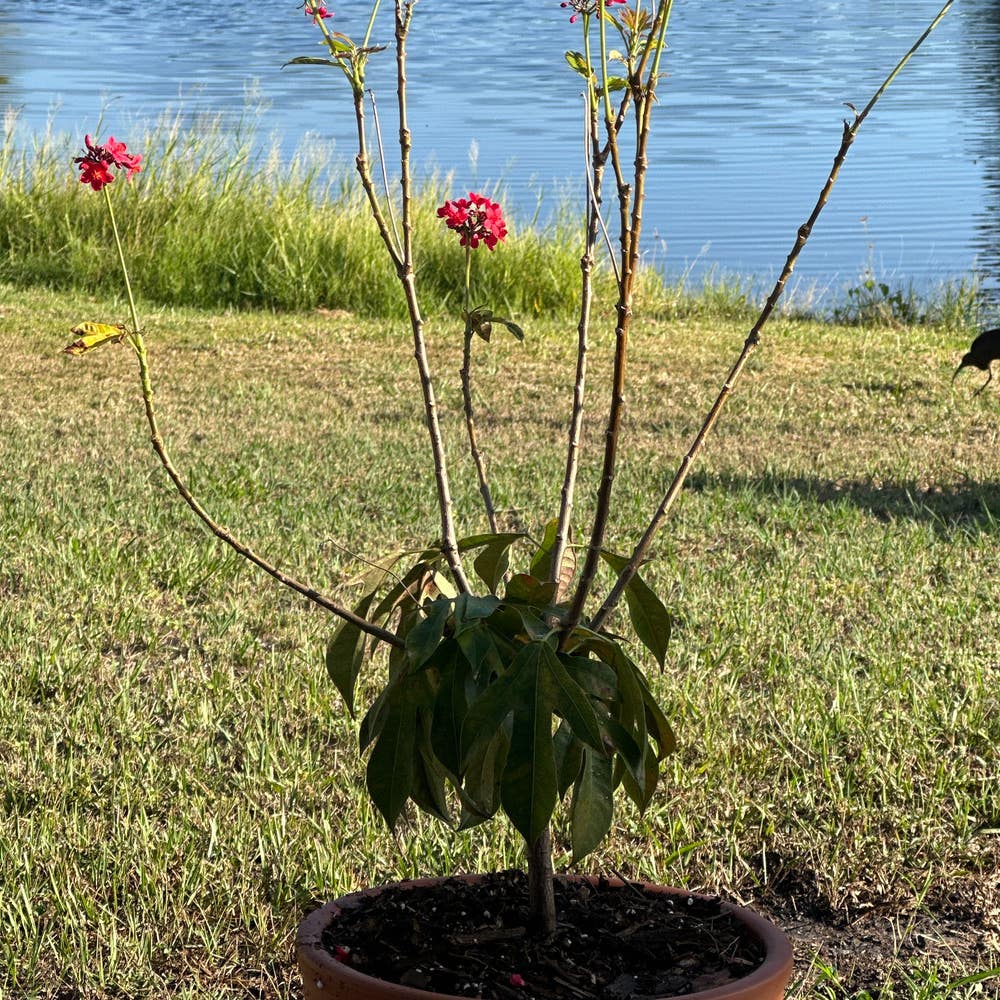
The Coral Plant exhibits a shrub-like growth form, reaching heights of 3 to 6 feet. It primarily blooms during the warmer months, creating vibrant flowers that attract a variety of pollinators.
🌍 Natural Growth Limits
While the Coral Plant can spread through seeds, its growth is naturally limited by environmental conditions. It thrives best in well-drained soils and struggles in overly wet environments, making it a selective addition to your garden.
🌸 Seasonal Growth Behavior
In spring, the Coral Plant enters an active growth phase, showcasing its beautiful flowers. During summer, it reaches its peak blooming period, requiring regular watering to maintain its health.
As fall and winter approach, the plant enters a dormant phase, needing minimal maintenance. This seasonal behavior makes it a low-effort choice for gardeners looking to enhance their landscapes.
With its manageable growth habits and seasonal patterns, the Coral Plant can be a delightful addition to any garden. Next, we’ll explore its ecological role and the benefits it brings to local ecosystems.
Ecological Role
Benefits in Ecosystems 🌼
The Coral Plant plays a vital role in enhancing garden biodiversity. By attracting pollinators like bees and butterflies, it supports the overall health of the ecosystem.
Additionally, this plant provides essential habitat for beneficial insects. These insects contribute to pest control and promote a balanced garden environment.
Interactions with Local Wildlife 🦋
Coral Plant fosters positive relationships with local wildlife, including various birds and insects. These interactions create a thriving ecosystem where different species can coexist harmoniously.
Moreover, the Coral Plant supports food webs within garden ecosystems. Its presence helps sustain a diverse range of wildlife, making it a valuable addition to any garden.
Incorporating the Coral Plant not only beautifies your space but also enriches the local environment. As we explore further, we'll look at how to effectively manage this plant in your garden.
Garden Management
Incorporating into Garden Designs 🌼
Coral Plant is a versatile addition to any garden. It thrives in borders, serves as a stunning focal point, and fits beautifully in mixed plantings.
Companion planting is another great strategy. Pair Coral Plant with other non-invasive species to create a vibrant, diverse landscape that supports overall garden health.
Aesthetic Considerations 🎨
To keep your Coral Plant looking its best, regular pruning is essential. This helps maintain its desired shape and size while promoting healthy growth.
Seasonal maintenance is also key. Implementing simple strategies can prevent overgrowth and ensure your garden remains tidy and inviting.
Maintenance Tips for Healthy Growth 🌱
While Coral Plant is drought-tolerant, it thrives with regular watering during peak growth periods. This extra care can make a significant difference in its blooming potential.
Fertilization is another important aspect. Light feeding during the growing season encourages abundant flowering, enhancing your garden's beauty.
Incorporating these management practices will not only keep your Coral Plant healthy but also contribute to a thriving garden ecosystem. Next, let’s explore the legal and environmental considerations surrounding Coral Plant cultivation.
Legal and Environmental Considerations
📜 Relevant Classifications and Guidelines
When considering the cultivation of Coral Plant, it's essential to be aware of local regulations. Many regions have specific guidelines that govern the planting of non-invasive species, ensuring they contribute positively to the ecosystem.
Sourcing Coral Plants from reputable nurseries is crucial. This practice helps prevent misidentification, which can lead to unintended ecological consequences. Always check for certifications that confirm the plant's non-invasive status.
🌱 Coral Plant in Sustainable Gardening Practices
Coral Plant plays a vital role in promoting biodiversity. By attracting pollinators like bees and butterflies, it enhances the overall health of garden ecosystems.
Integrating Coral Plant into sustainable landscape designs is a smart choice. Its moderate growth and non-aggressive nature make it an excellent addition to diverse plantings, supporting local wildlife and contributing to a balanced environment.
With these considerations in mind, you can enjoy the beauty and benefits of Coral Plant while fostering a thriving garden ecosystem. Next, let’s explore how to effectively incorporate this plant into your garden designs.
⚠️ Safety First
This content is for general information and may contain errors, omissions, or outdated details. It is not medical, veterinary advice, or an endorsement of therapeutic claims.
Always consult a qualified healthcare professional before using any plant as food, medicine, or supplement.
Never eat any plant (or feed one to pets) without confirming its identity with at least two trusted sources.
If you suspect poisoning, call Poison Control (800) 222-1222, the Pet Poison Helpline (800) 213-6680, or your local emergency service immediately.
Spotted an error? Please report it here.
Transform your garden with the vibrant Coral Plant 🌺 and let Greg provide you with personalized care tips and reminders to keep it thriving effortlessly!