Best Tips for Blooming Coral Plant 🌺
Jatropha multifida
By the Greg Editorial Team
Nov 08, 2024•3 min read
This article was created with the help of AI so we can cover more plants for you. May contain errors. See one? Report it here.
Unlock vibrant blooms in your Coral Plant and enjoy its beauty year-round! 🌺
- 🌺 Coral Plant blooms in vibrant colors, lasting 1-2 weeks with proper care.
- ☀️ Ensure 6 hours of sunlight daily to encourage healthy blooming.
- 🌱 Consistent moisture and balanced fertilizer are key for optimal growth and blooms.
If Coral Plant Flowers
🌺 Flower Characteristics
Description of Flower Colors and Structure
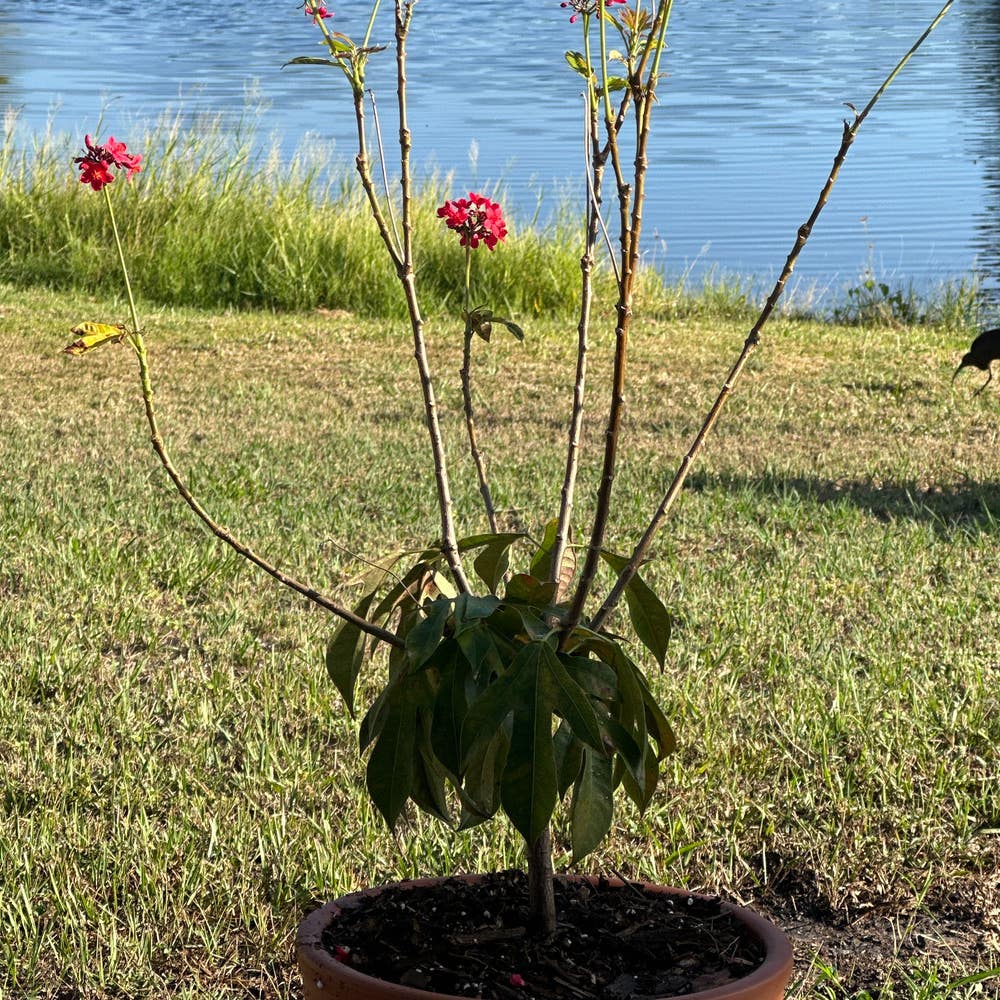
The Coral Plant is known for its vibrant, small, and tubular flowers, typically showcasing shades of red, orange, or yellow. These flowers grow in clusters on a delicate flower spike, creating a stunning visual display that can brighten any garden.
Self-Pollination vs. External Pollination
This plant primarily relies on self-pollination, which means it can produce seeds without needing another plant. However, it can also benefit from external pollination, enhancing its reproductive success in certain conditions.
🌼 Blooming Process
Stages of Blooming and Typical Bloom Time
The blooming process unfolds in three main stages: bud formation, opening, and reaching full bloom. Generally, you can expect blooms to appear from late spring to early summer, influenced by environmental factors.
Duration from Bud Formation to Full Bloom
Once the buds form, it typically takes about 2-4 weeks for them to fully bloom. This timeframe can vary based on the plant's health and environmental conditions.
Lifespan of Flowers
Once in bloom, the flowers usually last for about 1-2 weeks before wilting. This short lifespan emphasizes the importance of proper care to maximize blooming potential.
🌱 Encouraging Blooms
Tips for Encouraging Coral Plant to Bloom
To encourage your Coral Plant to bloom, ensure it receives at least 6 hours of direct sunlight daily. Additionally, maintain consistent moisture without waterlogging and use a balanced fertilizer during the growing season to promote healthy blooms.
Factors Influencing Flowering
Several factors can influence the blooming potential of your Coral Plant. Key elements include temperature, humidity, and light exposure, along with the overall health of the plant, which plays a crucial role in its flowering success.
🌿 Post-Flowering
What Happens After the Flowering Period
After the flowering period, it's essential to remove spent flowers. This practice encourages further growth and helps prevent disease, keeping your plant healthy and vibrant.
Discussion on Whether Coral Plant Dies After Flowering
Rest assured, the Coral Plant does not die after flowering. It continues to thrive and can bloom again under the right conditions, making it a resilient addition to your garden.
🌸 If Coral Plant Doesn't Flower
Primary Ornamental or Functional Features of Coral Plant
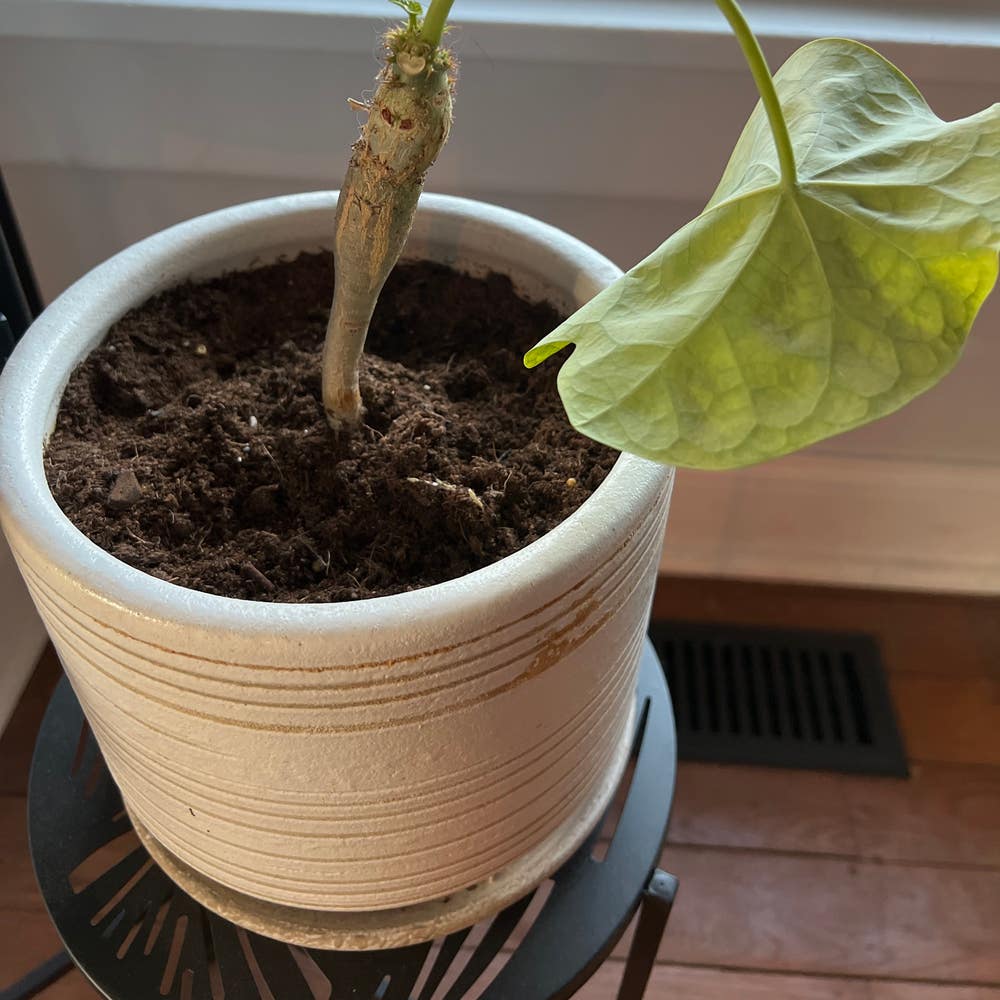
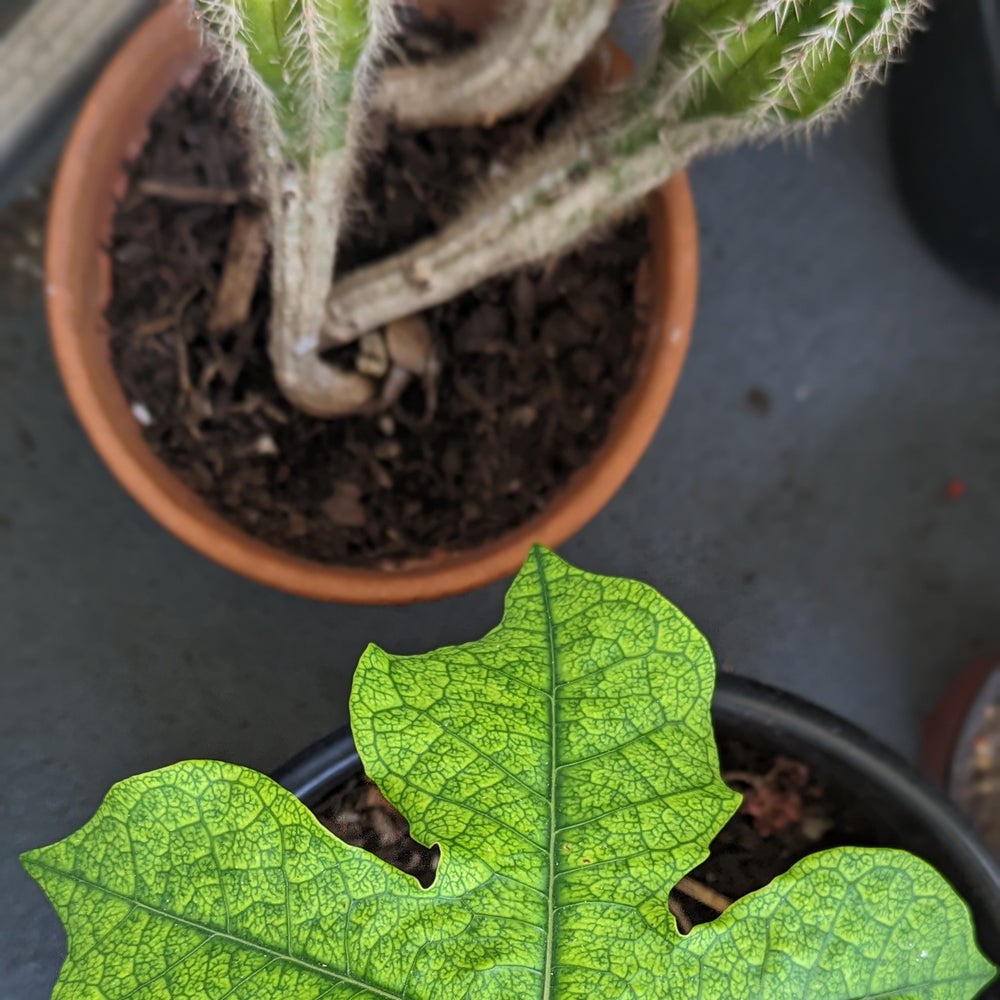
Even without flowers, the Coral Plant remains an attractive choice due to its unique leaf shapes and vibrant colors. It serves well in landscaping as ground cover or as a decorative houseplant, adding visual interest year-round.
Explanation of Reproduction Without Flowers
The Coral Plant can also reproduce through vegetative propagation, allowing it to thrive even without flowering. New plants can develop from stem segments, ensuring the species persists in various environments.
🌈 Unique Aspects of Coral Plant
Unusual Characteristics Related to Flowering or Non-Flowering Nature
Different varieties of the Coral Plant may exhibit distinct blooming behaviors based on their care and environmental conditions. This variability adds to the intrigue of growing these plants.
Interesting Facts or Trivia About Coral Plant's Reproductive Strategy
One fascinating aspect of the Coral Plant is its resilience. Its ability to reproduce vegetatively allows it to adapt to various growing conditions, making it a hardy choice for gardeners. Additionally, in some cultures, the Coral Plant is cherished not only for its beauty but also for its capacity to thrive in challenging environments.
This knowledge about the Coral Plant's flowering and reproductive strategies can help you appreciate its unique qualities and care for it effectively.
⚠️ Safety First
This content is for general information and may contain errors, omissions, or outdated details. It is not medical, veterinary advice, or an endorsement of therapeutic claims.
Always consult a qualified healthcare professional before using any plant as food, medicine, or supplement.
Never eat any plant (or feed one to pets) without confirming its identity with at least two trusted sources.
If you suspect poisoning, call Poison Control (800) 222-1222, the Pet Poison Helpline (800) 213-6680, or your local emergency service immediately.
Spotted an error? Please report it here.
Unlock vibrant blooms for your Coral Plant 🌺 with Greg's tailored care tips and watering reminders, ensuring it thrives beautifully season after season!