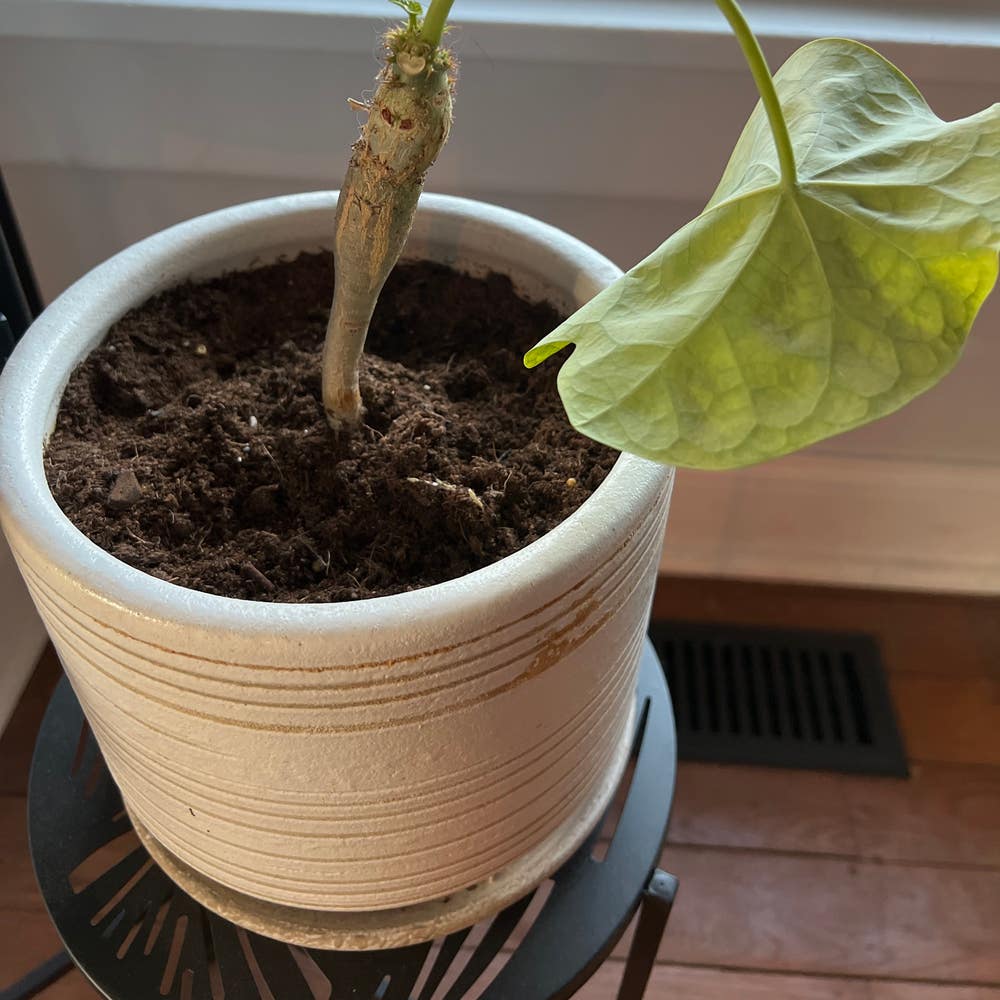
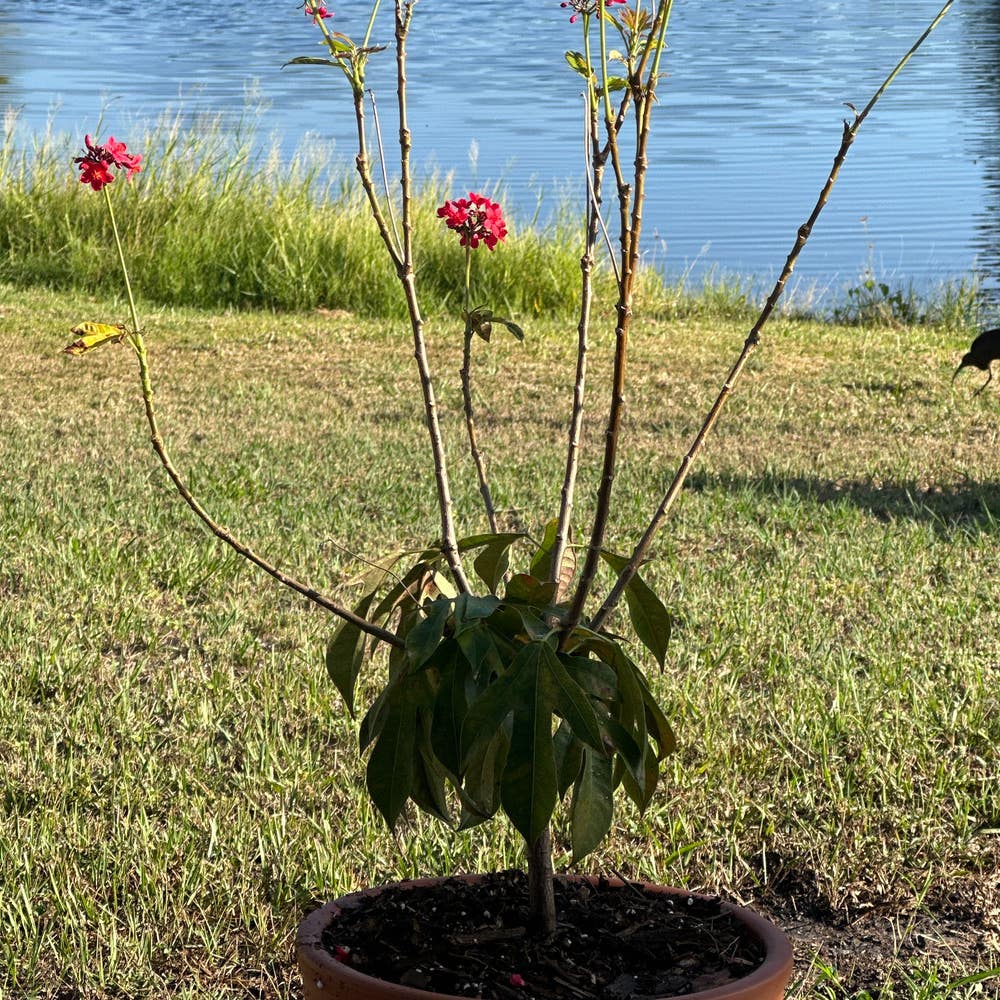
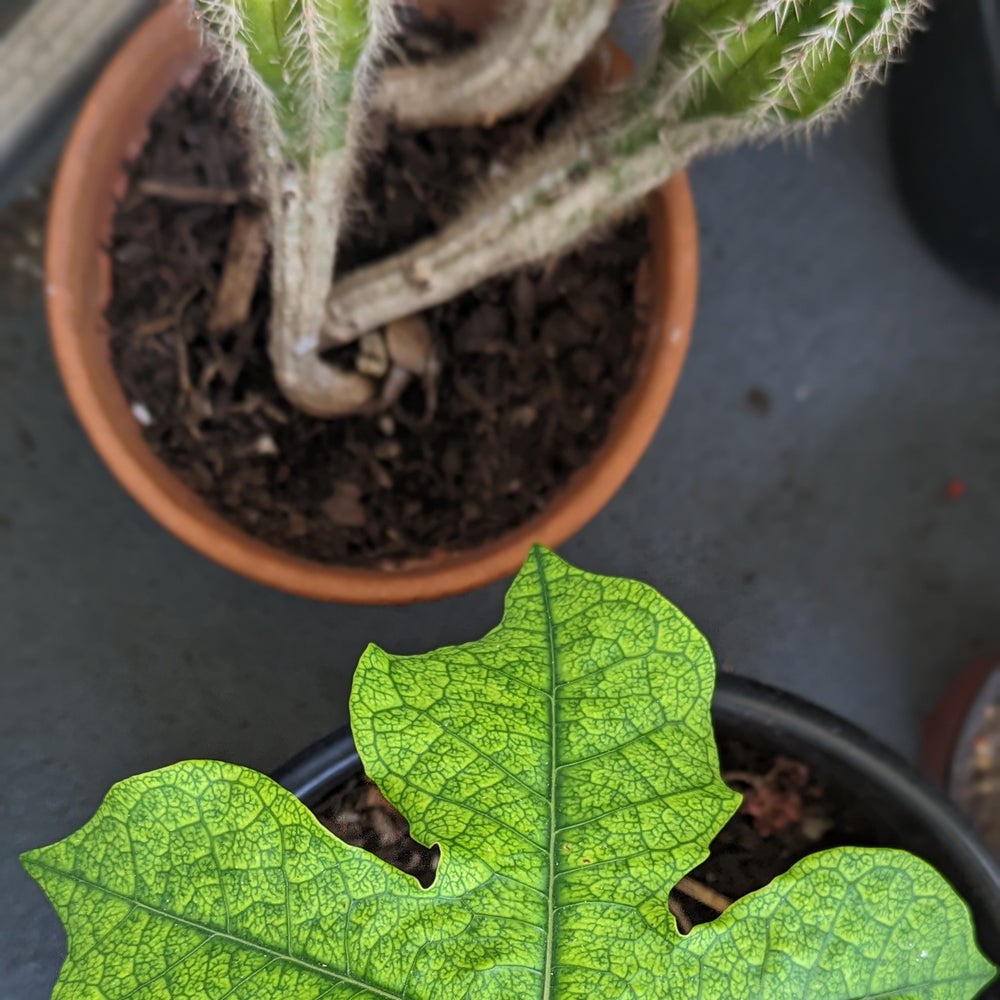
🐠 3 Tips for Healing Brown Spots on Your Coral Plant
Jatropha multifida
By the Greg Editorial Team
Nov 08, 2024•5 min read
This article was created with the help of AI so we can cover more plants for you. May contain errors. See one? Report it here.
Transform your coral plant's health by learning to diagnose and treat brown spots effectively! 🌱
- 🌡️ Maintain 65°F to 85°F for optimal coral plant health and recovery.
- 💧 Humidity levels of 50%-70% are crucial for healing brown spots.
- 🌞 Provide 6-8 hours of indirect sunlight daily to prevent further browning.
Diagnosing Brown Spots
🌡️ Assessing Environmental Factors
To effectively diagnose brown spots on your coral plant, start by evaluating the environmental conditions. The ideal temperature range for healthy growth is between 65°F to 85°F (18°C to 29°C).
Humidity plays a crucial role as well. Aim for humidity levels between 50% to 70% to keep your plant thriving. Additionally, ensure your coral plant receives 6-8 hours of indirect sunlight daily to promote optimal health.
🐛 Checking for Pests and Diseases
Next, conduct a thorough visual inspection of your plant. Examine both sides of the leaves for any signs of pests, as they can often hide in plain sight.
Be on the lookout for sticky residue, which may indicate pest activity, particularly from aphids or scale insects. Also, check for any fungal growth, such as mold or mildew, on the leaves or soil, as these can contribute to browning.
💧 Evaluating Watering Practices
Watering practices are another critical factor to assess. Start by checking the soil moisture; you can use a moisture meter or simply stick your finger into the soil to gauge its dampness.
Adjust your watering frequency based on the season and your plant's specific needs. Lastly, ensure that your pots have adequate drainage holes to prevent waterlogging, which can lead to root rot and further browning.
By carefully diagnosing these aspects, you can take the first steps toward restoring your coral plant's health and vitality.
Treating Brown Spots
🦠 Step-by-Step Treatment for Fungal Infections
Fungal infections can wreak havoc on your coral plant, but with a few careful steps, you can restore its health. Start by removing any affected leaves using sterilized scissors to prevent the spread of the infection.
Next, apply a suitable fungicide designed for houseplants. This targeted treatment will help eliminate the fungus and protect your plant. Finally, adjust your watering routine by allowing the soil to dry out between waterings. This will create an environment less conducive to fungal growth.
🐛 How to Manage Pest Infestations
Pests can also contribute to brown spots on your coral plant. Begin by identifying any pests present; a magnifying glass can help you spot even the tiniest intruders.
For treatment, consider using insecticidal soap or neem oil for soft-bodied insects. If you encounter mealybugs, rubbing alcohol can be effective. After treatment, monitor your plant weekly for signs of recurrence to ensure pests don’t return.
🌱 Adjusting Care Routines for Recovery
Recovery requires a few adjustments to your care routine. Start by modifying your watering schedule to ensure consistent moisture without the risk of overwatering.
Increasing humidity can also aid recovery; using a humidifier or a pebble tray can help boost moisture levels. Lastly, consider using a balanced fertilizer to support your coral plant's recovery and encourage new growth.
By following these steps, you can effectively treat brown spots and help your coral plant thrive once again. Now, let’s explore how to prevent future brown spots from appearing.
Preventing Future Brown Spots
💧 Best Practices for Watering
To keep your coral plant healthy, establish a consistent watering schedule. Water when the top inch of soil feels dry to the touch, ensuring you don’t overwater.
When you do water, do it thoroughly until you see it drain from the bottom of the pot. This technique helps prevent root rot and keeps the soil evenly moist.
As seasons change, adjust your watering habits accordingly. In winter, reduce watering frequency since plants typically require less moisture during this time.
☀️ Ideal Light Conditions
Your coral plant thrives in bright, indirect light. Aim for 6-8 hours of such light daily to promote optimal growth.
Avoid placing your plant in direct sunlight, especially during the harsh afternoon hours. This can lead to leaf burn, which is a common issue for many indoor plants.
To ensure even light exposure, rotate your pots regularly. This simple practice helps all sides of the plant receive adequate light, promoting balanced growth.
🌬️ Maintaining Proper Humidity and Temperature
Humidity plays a crucial role in your coral plant's health. Use a hygrometer to monitor humidity levels, aiming for 50% to 70% for optimal growth.
Keep your plant away from drafts and heating vents to maintain temperature stability. Sudden temperature changes can stress your plant, leading to brown spots.
During dry winter months, consider increasing humidity. You can do this by using a humidifier or placing a pebble tray filled with water beneath your plant pot.
By following these best practices, you can significantly reduce the risk of brown spots and keep your coral plant thriving. Now, let’s explore how to monitor your coral plant's health effectively.
Monitoring Coral Plant Health
Regular Inspection Techniques 🌱
Regular inspections are key to maintaining a healthy coral plant. Aim for weekly checks to spot any signs of stress or pest activity early.
During these inspections, closely examine the leaves. Look for color changes or texture issues that might indicate underlying problems.
Don’t forget to assess the soil condition as well. Checking for dryness or mold growth can help you gauge the overall health of your plant.
Signs of Improvement or Further Issues 📈
As you monitor your coral plant, watch for signs of new growth. This is a positive indicator that your plant is recovering and thriving.
However, if you notice persistent browning or ongoing pest presence, it’s time to take action. Ignoring these issues can lead to further complications.
When to Seek Professional Help 🩺
If you encounter persistent diseases that don’t respond to treatment, don’t hesitate to seek professional help. Fungal infections can be tricky, and sometimes expert advice is necessary.
Similarly, if you face severe infestations that your pest control methods can’t handle, it’s best to consult a professional.
For any general health concerns, reaching out to a local nursery or plant specialist can provide valuable insights. They can guide you in nurturing your coral plant back to health.
By staying vigilant and proactive, you can ensure your coral plant remains vibrant and healthy. This attention to detail will pay off in the long run, leading to a flourishing indoor garden.
⚠️ Safety First
This content is for general information and may contain errors, omissions, or outdated details. It is not medical, veterinary advice, or an endorsement of therapeutic claims.
Always consult a qualified healthcare professional before using any plant as food, medicine, or supplement.
Never eat any plant (or feed one to pets) without confirming its identity with at least two trusted sources.
If you suspect poisoning, call Poison Control (800) 222-1222, the Pet Poison Helpline (800) 213-6680, or your local emergency service immediately.
Spotted an error? Please report it here.
Heal those brown spots on your coral plant and cultivate a lush indoor oasis 🌿 with Greg's tailored care reminders that ensure your plant thrives in its ideal environment!