Why Your Coral Plant Leaves Are Falling Over 🪸
Jatropha multifida
By the Greg Editorial Team
Nov 08, 2024•6 min read
This article was created with the help of AI so we can cover more plants for you. May contain errors. See one? Report it here.
Transform your drooping coral plant into a thriving beauty 🌿 with these essential care tips for vibrant growth!
- 💧 Overwatering and underwatering both cause drooping leaves in coral plants.
- 🌞 Bright, indirect sunlight is essential; insufficient light leads to pale, stretched stems.
- 🌱 Nutrient deficiencies can stunt growth; fertilize every 4-6 weeks for optimal health.
Causes of Leaf Drooping
💧 Overwatering and Its Effects
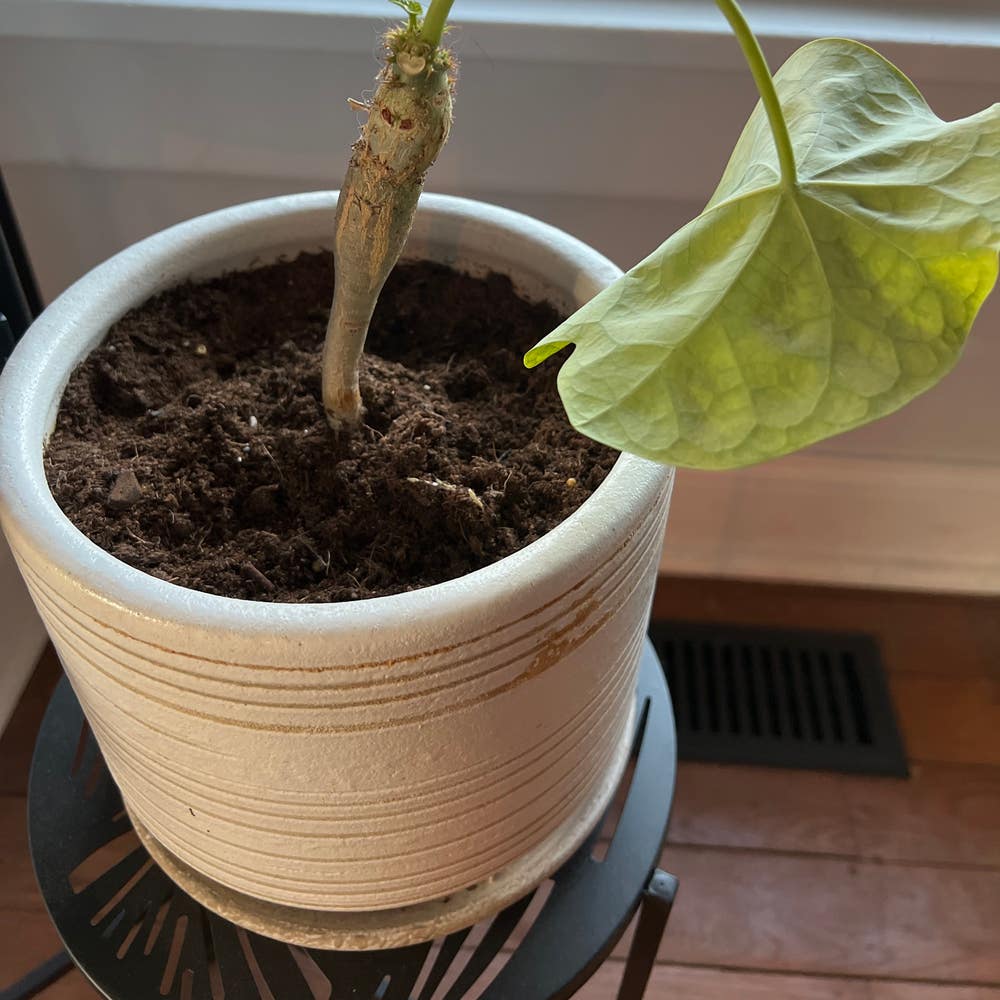
Overwatering is a common culprit behind drooping leaves. Symptoms include yellowing leaves, mushy stems, and a foul smell emanating from the soil.
When soil becomes waterlogged, it can lead to root rot, severely impacting root health. To prevent this, allow the top inch of soil to dry out before watering again.
🚰 Underwatering and Dehydration
On the flip side, underwatering can also cause your coral plant to droop. Look for signs like crispy, brown leaf edges and drooping leaves.
Consistent moisture is crucial for your plant's health. Aim to water when the top inch of soil feels dry, typically every 5-7 days.
💡 Insufficient Light Exposure
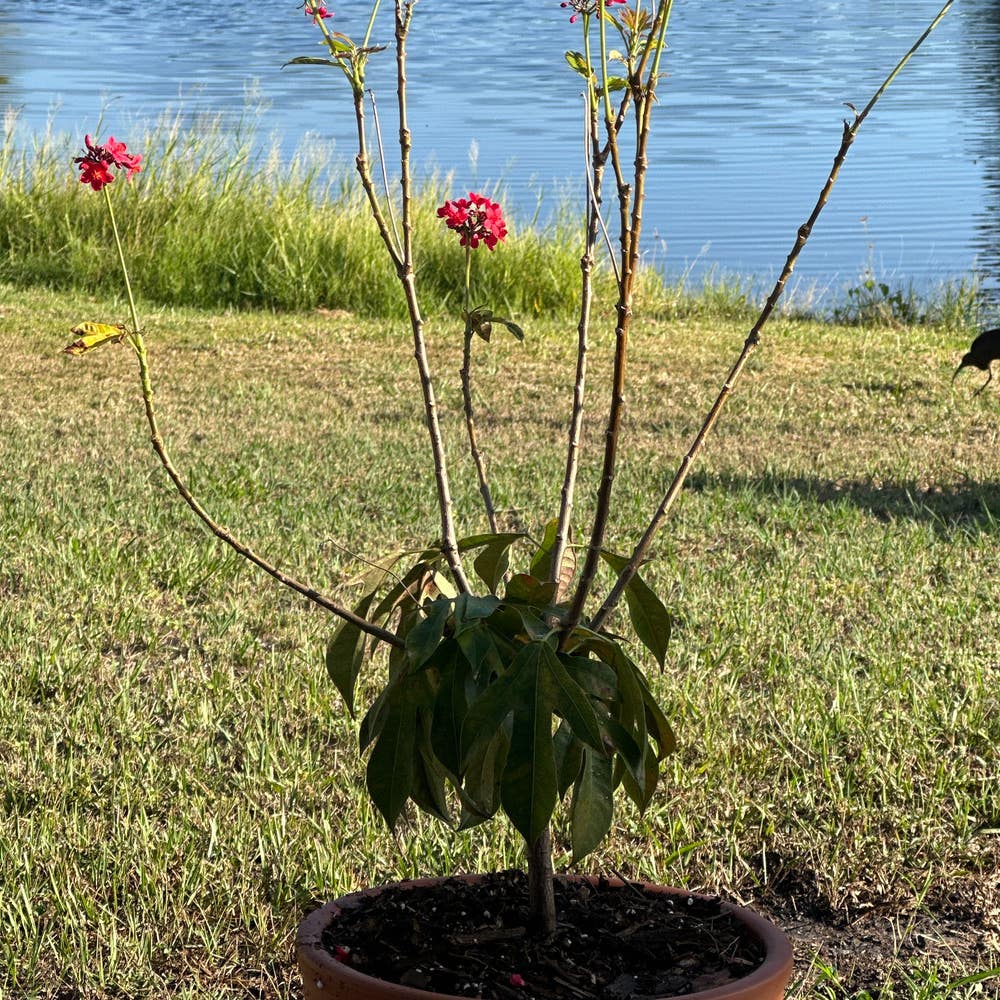
Light plays a vital role in your coral plant's vitality. It thrives in bright, indirect sunlight, so insufficient light can lead to stretched stems and pale leaves.
To remedy this, place your plant in filtered sunlight or consider using grow lights indoors for optimal growth.
🌡️ Excessive Heat or Cold Stress
Temperature extremes can stress your coral plant, causing drooping leaves. The ideal temperature range is between 65°F to 85°F (18°C to 29°C).
Watch for signs of stress, such as wilting in heat or browning in cold drafts. Avoid placing your plant near heating vents or drafty windows to maintain a stable environment.
🌱 Nutrient Deficiencies
Nutrient deficiencies can also lead to drooping leaves. Common deficiencies include nitrogen, potassium, and magnesium, which can manifest as yellowing leaves and stunted growth.
To combat this, use a balanced, water-soluble fertilizer every 4-6 weeks to ensure your plant receives the nutrients it needs.
Understanding these causes is essential for maintaining a healthy coral plant. By addressing these issues, you can help your plant thrive and prevent further drooping. Next, we’ll explore how to diagnose specific leaf problems effectively.
Diagnosing Leaf Problems
🌊 Identifying Symptoms of Overwatering
Overwatering is a common issue that can lead to serious problems for your coral plant. Look for visual cues like wilting leaves, yellowing foliage, and signs of root rot, which indicate that your plant is struggling.
To confirm overwatering, check the soil. It should feel moist but not soggy; if it’s waterlogged, it's time to adjust your watering habits.
💧 Recognizing Signs of Underwatering
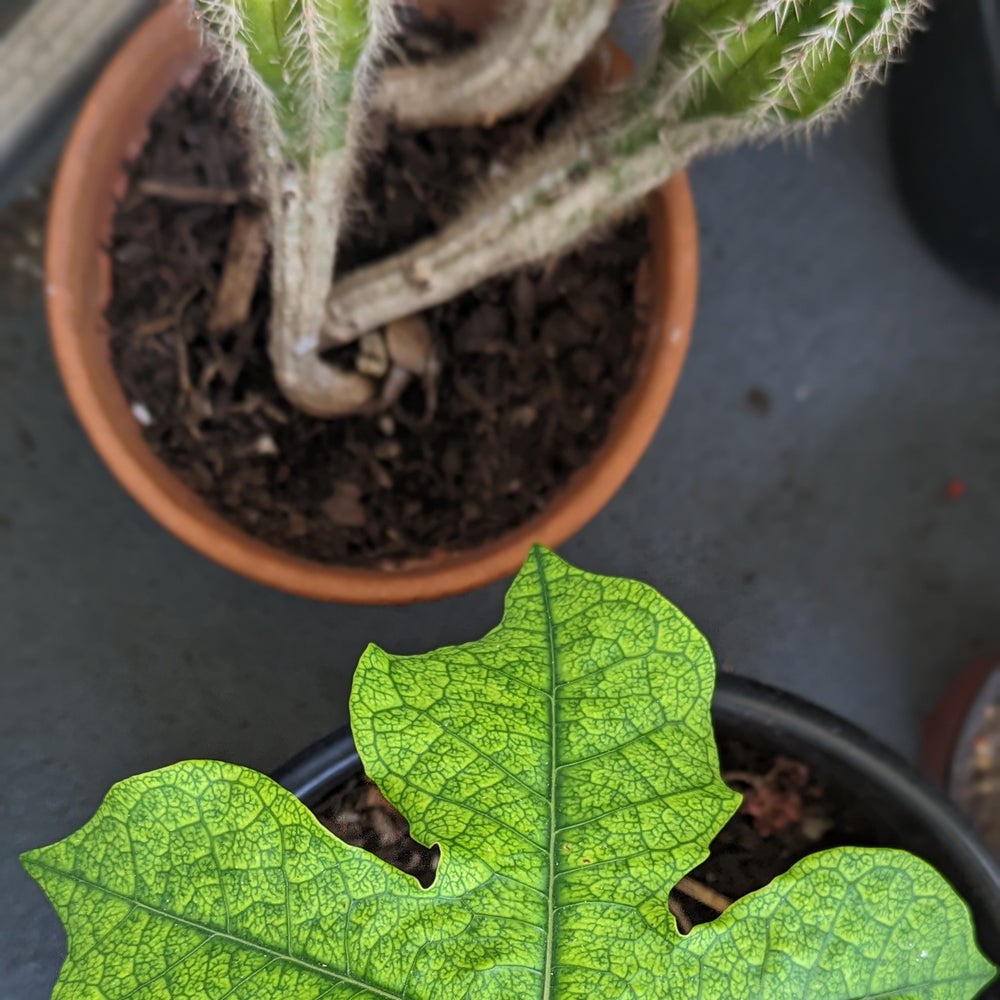
Underwatering can be just as detrimental. Signs include dry, crispy edges on leaves and drooping foliage, which signal that your plant is thirsty and in need of immediate attention.
Additionally, inspect the soil condition. If it’s pulling away from the edges of the pot, your coral plant is likely not getting enough moisture.
☀️ Assessing Light Conditions
Light exposure plays a crucial role in your plant's health. Evaluate whether your coral plant is receiving adequate indirect sunlight; insufficient light can lead to poor growth and drooping leaves.
If you find that the light is lacking, consider adjusting the plant's placement. Moving it to a brighter location can make a significant difference in its vitality.
🐛 Checking for Pests and Diseases
Regular inspections are vital for maintaining your coral plant's health. Check both the leaves and the soil for any signs of pests, as these unwanted guests can wreak havoc on your plant.
Also, keep an eye out for diseases, particularly fungal growth. Early detection can help you take action before the problem escalates, ensuring your plant stays healthy and vibrant.
By diagnosing these issues promptly, you can take the necessary steps to revive your coral plant and keep it thriving. Next, let’s explore preventive measures to maintain its health and prevent future problems.
Preventive Measures
Proper Watering Techniques 🌊
To keep your coral plant thriving, adopt the soak and dry method. This approach allows the soil to dry out between waterings, preventing root rot and promoting healthy growth.
Consider using self-watering pots for consistent moisture. These pots help regulate water levels, making it easier to maintain the right balance.
Ideal Light Conditions ☀️
Position your coral plant near east or west-facing windows for optimal light exposure. This placement ensures your plant receives bright, indirect sunlight, which is crucial for its health.
If natural light is limited, supplement with grow lights. These can provide the necessary illumination to keep your plant vibrant and strong.
Soil Selection and Amendments 🌱
Choose a mix of potting soil and perlite for your coral plant. This combination offers excellent drainage while retaining essential moisture.
Incorporate organic matter into your soil mix to boost nutrients. This addition supports robust growth and enhances the overall health of your plant.
Regular Pest Inspections 🔍
Inspect your coral plant bi-weekly for pests. Regular checks help catch any infestations early, preventing damage to your plant.
For preventive treatments, consider using neem oil or insecticidal soap. These options are effective in keeping pests at bay without harming your plant.
By implementing these preventive measures, you can create a nurturing environment for your coral plant. This proactive approach will help ensure your plant remains healthy and vibrant, setting the stage for successful growth and recovery.
Next, we’ll explore how to diagnose leaf problems effectively.
Treatment and Recovery
🌱 Steps to Revive Drooping Leaves
Reviving your coral plant starts with assessing the cause of the drooping leaves. Determine if overwatering, underwatering, or other factors are at play.
Next, adjust your care routine accordingly. Modify watering and light exposure based on your diagnosis to help your plant bounce back.
Finally, monitor recovery closely. Keep an eye out for signs of improvement, such as new growth or perkier leaves.
💧 Adjusting Watering Schedules
Creating a watering calendar can be a game changer for your plant care. Consider using a plant care app to set reminders tailored to your coral plant's needs.
Be prepared to tailor the frequency of watering based on seasonal changes. This flexibility ensures your plant receives the right amount of moisture throughout the year.
☀️ Improving Light Exposure
If your coral plant is struggling, relocating it to a brighter area may do wonders. Ensure it receives adequate indirect sunlight, which is crucial for its health.
You can also enhance light exposure by using reflective surfaces. Position your plant near mirrors or light-colored walls to maximize available light.
🌿 Fertilization Strategies for Recovery
Choosing the right fertilizer is essential for your plant's recovery. Opt for a diluted, balanced fertilizer to provide the necessary nutrients without overwhelming the plant.
Timing is key as well; fertilize every 4-6 weeks during the growing season. This regular feeding will support healthy growth and vibrant leaves.
🪴 Repotting Tips for Better Drainage
If you suspect root rot, it might be time to repot your coral plant. Repotting can improve drainage and give your plant a fresh start.
When repotting, choose a pot that is 1-2 inches larger than the current one. Use fresh soil to ensure your plant has the best environment for recovery.
By following these treatment and recovery steps, you can help your coral plant regain its vitality. With a little care and attention, your plant will thrive once again.
⚠️ Safety First
This content is for general information and may contain errors, omissions, or outdated details. It is not medical, veterinary advice, or an endorsement of therapeutic claims.
Always consult a qualified healthcare professional before using any plant as food, medicine, or supplement.
Never eat any plant (or feed one to pets) without confirming its identity with at least two trusted sources.
If you suspect poisoning, call Poison Control (800) 222-1222, the Pet Poison Helpline (800) 213-6680, or your local emergency service immediately.
Spotted an error? Please report it here.
Keep your coral plant vibrant 🌿 by using Greg's tailored watering calendar and light assessment tools to prevent drooping leaves and ensure optimal health!