Common Coral Plant Problems and Solutions 🐠
Jatropha multifida
By the Greg Editorial Team
Nov 08, 2024•4 min read
This article was created with the help of AI so we can cover more plants for you. May contain errors. See one? Report it here.
Transform your coral plants' health 🌱 by quickly spotting distress signs and preventing common care issues!
- 🌱 Recognize distress signs like yellowing leaves and wilting for early intervention.
- 💧 Adjust watering to prevent yellow leaves from nutrient deficiencies or overwatering.
- 🌞 Ensure bright, indirect light to avoid leggy growth and promote healthy coral plants.
Recognizing Unhealthy Coral Plants
🚨 Signs of Distress
Coral plants can show various signs of distress, and recognizing these early can save your plant from further decline. Here are the key indicators to watch for:
💛 Yellowing Leaves
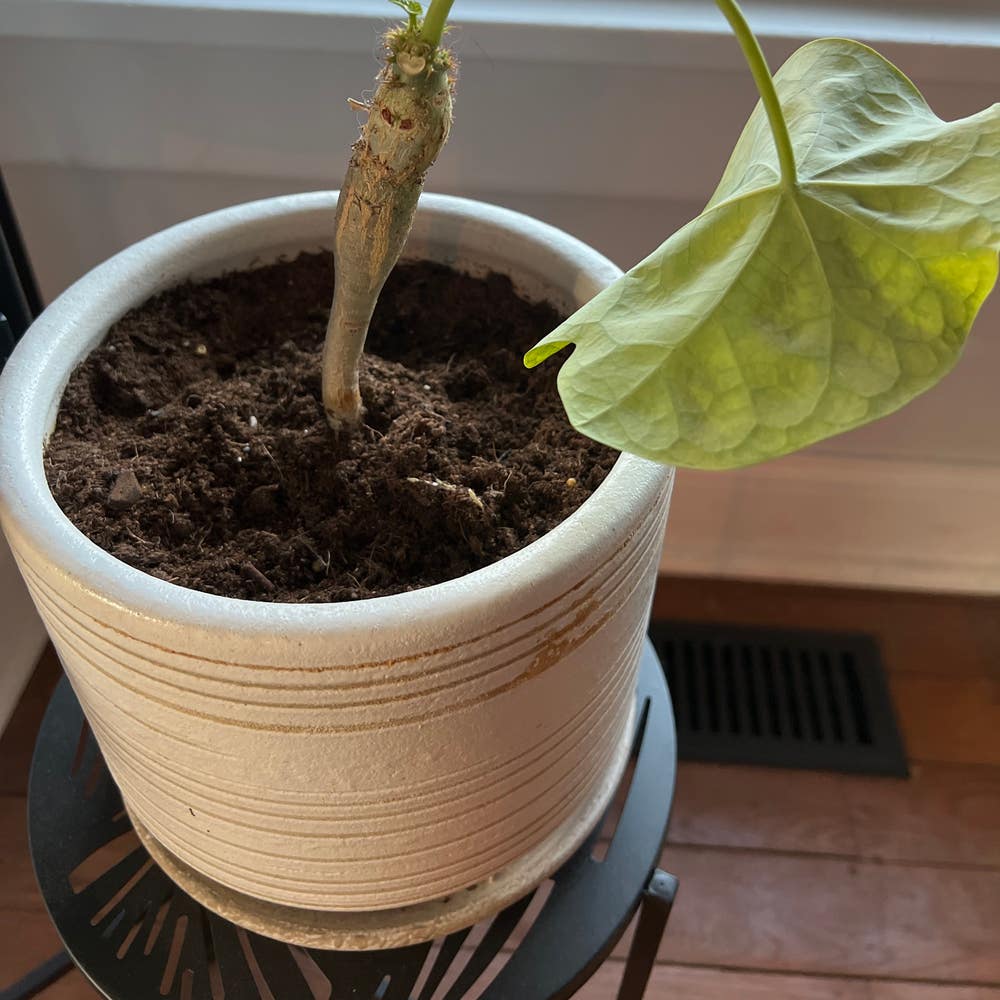
If you notice yellowing leaves, it often points to a nutrient deficiency or overwatering. This symptom can be a cry for help from your plant, indicating that something in its environment needs adjustment.
🌊 Wilting or Drooping
Wilting or drooping leaves suggest that your coral plant may be underwatered or facing root issues. This is a clear signal that your plant needs immediate attention to restore its health.
🦠 Fuzzy Growth
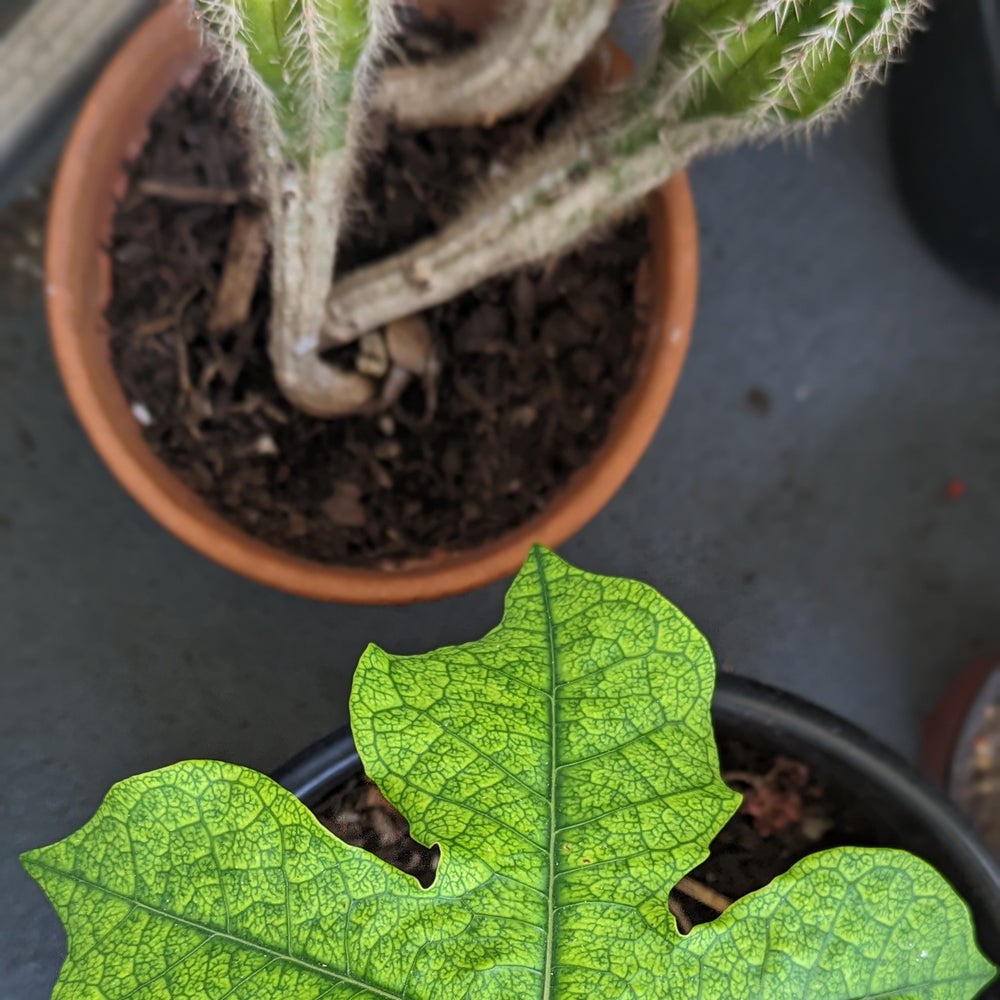
Fuzzy growth on your coral plants is typically a sign of fungal infections or pests. If you spot this, it's crucial to act quickly to prevent further damage.
📏 Leggy Growth
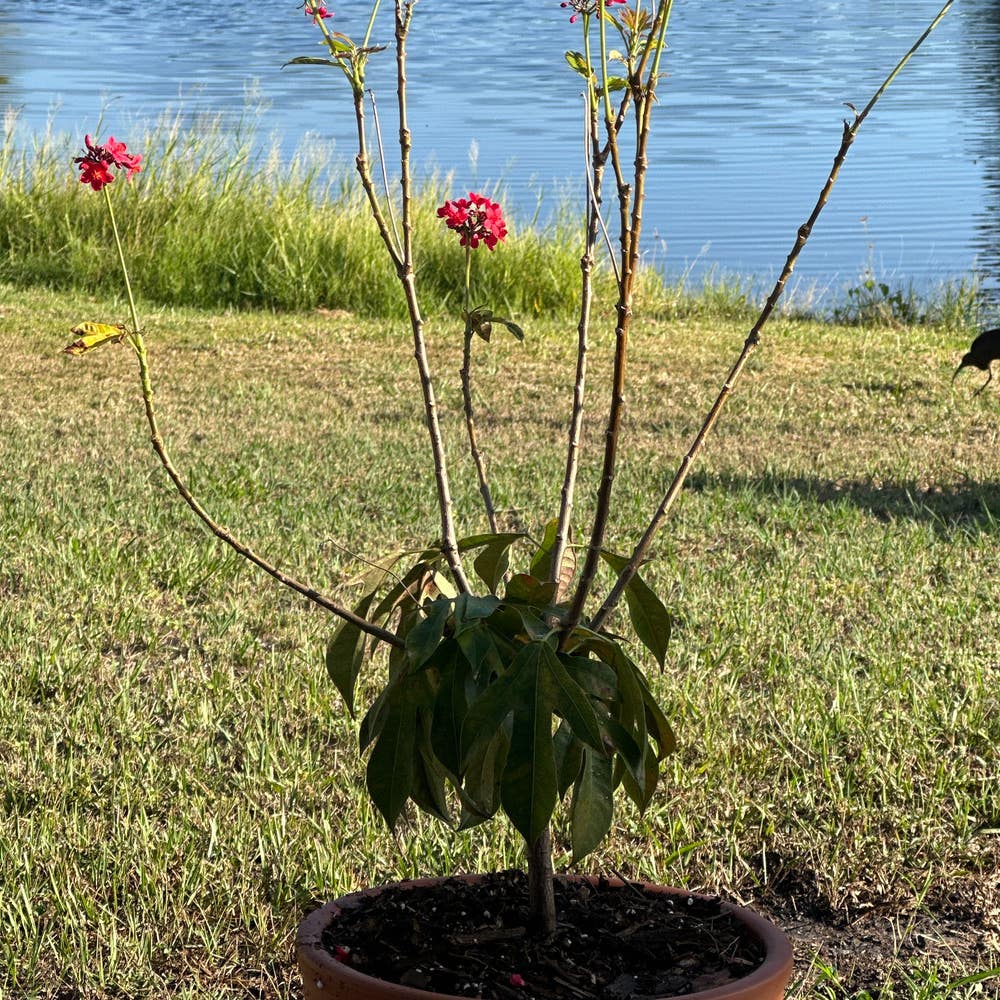
Leggy growth, characterized by elongated stems and sparse leaves, indicates insufficient light or improper care. This condition can make your plant look weak and unappealing, so it's essential to address the lighting situation.
Recognizing these signs is the first step in ensuring your coral plants thrive. By staying vigilant and responsive to their needs, you can foster a healthier environment for your plants to flourish.
Next, we’ll delve into common problems that can affect coral plants and how to tackle them effectively.
Common Problems
💧 Incorrect Watering
Overwatering
Overwatering is a common issue that can lead to serious problems for coral plants. Symptoms include yellowing leaves, mushy stems, and root rot, often caused by poor drainage or watering too frequently.
To combat overwatering, adjust your watering schedule. Ensure proper drainage and allow the soil to dry out between waterings to promote healthier roots.
Underwatering
On the flip side, underwatering can also wreak havoc on your coral plants. Look for signs like wilting, dry leaves, and crispy edges, which typically result from infrequent watering or high temperatures.
Establishing a consistent watering routine is key. Consider using the Greg plant care app for reminders to help you stay on track.
💡 Incorrect Light Conditions
Light conditions play a crucial role in the health of coral plants. Symptoms of incorrect lighting include leggy growth and pale leaves from inadequate light, or scorched leaves and faded colors from excessive light.
To remedy this, move your plant to a more suitable light environment. Ideally, aim for bright indirect light to keep your coral thriving.
🐛 Pests
Pests can be a nuisance for coral plants, with common culprits including aphids, spider mites, and mealybugs. Symptoms to watch for are sticky residue, webbing, or visible insects on your plants.
Treat infestations promptly using insecticidal soap or neem oil. Alternatively, introducing beneficial insects like ladybugs can help keep pest populations in check.
🦠 Diseases
Common Diseases
Coral plants can fall victim to various diseases, each with distinct symptoms. For instance, powdery mildew presents as white, powdery spots on leaves, while rust shows orange or brown spots.
To treat these issues, improve air circulation and apply fungicides as needed. For black rot, characterized by dark, sunken spots, remove infected parts and enhance drainage. Blight, which causes rapid wilting and browning, also requires removing affected areas and applying appropriate fungicides.
🌱 Growth Problems
Growth problems can signal underlying issues with your coral plants. Symptoms include lack of growth, failure to fruit, leaning, leggy, and etiolated growth.
These problems often stem from insufficient light, improper watering, or nutrient deficiencies. To address them, adjust light exposure, ensure consistent watering, and fertilize appropriately for optimal growth.
By understanding these common problems and their solutions, you can keep your coral plants healthy and vibrant. Next, let’s explore preventive measures to maintain their well-being.
Preventive Measures
Best Practices 🌱
Maintaining healthy coral plants starts with a regular watering schedule. Using the Greg plant care app can help you set reminders, ensuring your plants receive the right amount of moisture consistently.
Proper light conditions are equally crucial. Ensure your coral plants are placed in areas with adequate light exposure, ideally bright, indirect sunlight, to promote healthy growth.
Soil health cannot be overlooked. Use well-draining soil to prevent waterlogging and avoid compacting the soil, which can suffocate roots and hinder growth.
Seasonal Considerations 🌦️
As the seasons change, so do the needs of your coral plants. During warmer months, keep a close eye on your plants for any signs of pests and diseases, as these can thrive in heat.
Adjusting your watering frequency is essential based on seasonal temperature changes. Warmer weather may require more frequent watering, while cooler months might necessitate less.
Importance of Monitoring 🔍
Regularly checking your coral plants for signs of distress is vital. Early detection of issues can lead to prompt treatment, preventing minor problems from escalating into major concerns.
By staying vigilant and proactive, you can ensure your coral plants thrive, bringing beauty and life to your space. Next, let’s explore common problems that can arise despite your best preventive measures.
⚠️ Safety First
This content is for general information and may contain errors, omissions, or outdated details. It is not medical, veterinary advice, or an endorsement of therapeutic claims.
Always consult a qualified healthcare professional before using any plant as food, medicine, or supplement.
Never eat any plant (or feed one to pets) without confirming its identity with at least two trusted sources.
If you suspect poisoning, call Poison Control (800) 222-1222, the Pet Poison Helpline (800) 213-6680, or your local emergency service immediately.
Spotted an error? Please report it here.
Keep your coral plants healthy and vibrant 🌿 by recognizing distress signs and using Greg's tailored reminders to maintain the perfect care routine!