🪴 6 Tips for Selecting the Best Pot for Coral Plant
Jatropha multifida
By the Greg Editorial Team
Nov 08, 2024•5 min read
This article was created with the help of AI so we can cover more plants for you. May contain errors. See one? Report it here.
Unlock vibrant coral plant growth 🌱 by mastering pot size and material for optimal health and thriving roots!
- 🌱 Choose pots 4-6 inches for seedlings; larger pots for mature coral plants.
- 🕒 Repot every 1-2 years, increasing size by 2 inches to support growth.
- 💧 Ensure proper drainage with holes to prevent root rot and yellowing leaves.
Pot Size Considerations
🌱 Recommended sizes for seedlings
When starting your coral plant journey, the ideal container size for seedlings is between 4 to 6 inches in diameter. Choosing a smaller pot helps promote healthy root development, allowing your plant to establish itself effectively.
🌳 Recommended sizes for mature plants
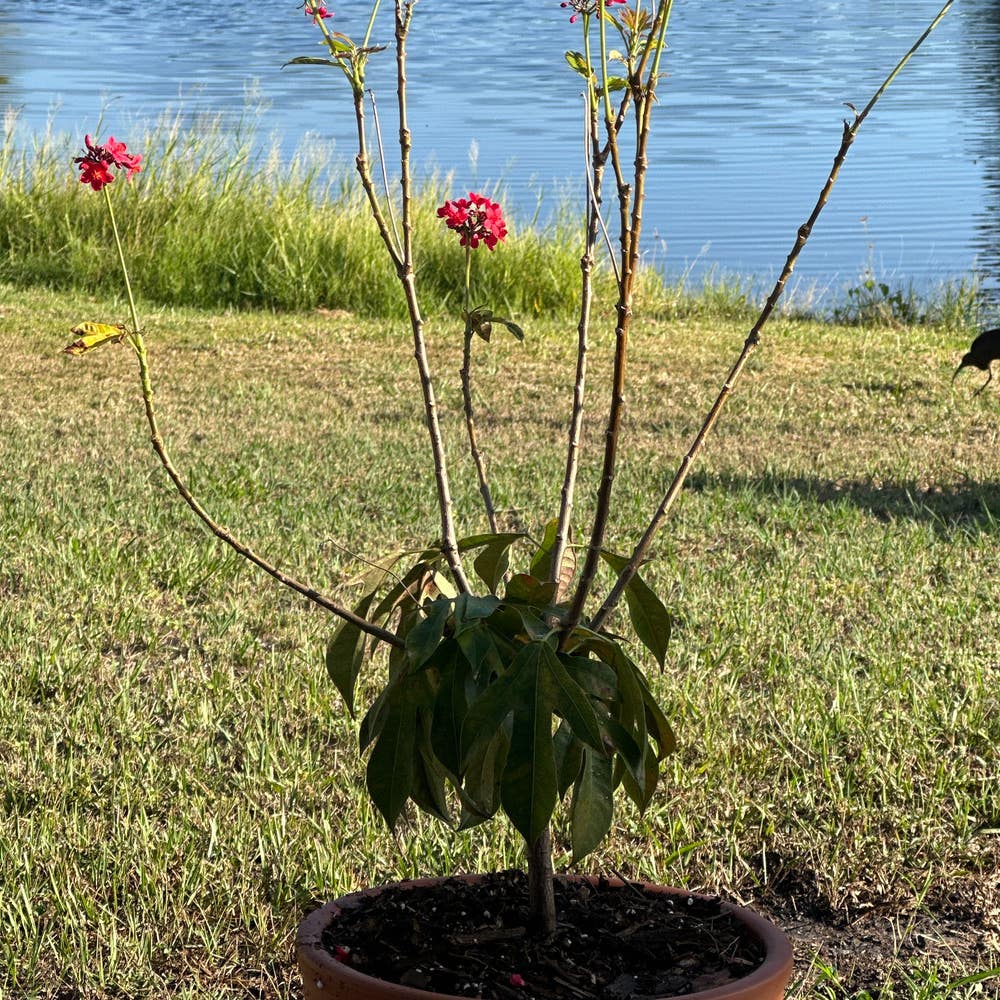
As your coral plant matures, you'll need to adjust its pot size accordingly. For standard varieties, a container size of 10 to 12 inches in diameter is suggested, while dwarf cultivars thrive in pots that are 6 to 8 inches in diameter.
📏 Adjusting size as the plant grows
To ensure your coral plant continues to flourish, it's essential to transition to larger pots as it grows. Aim to increase the pot size by 2 inches in diameter every 1 to 2 years, and keep an eye on root growth and health to determine when it's time for a new pot.
This proactive approach will help your coral plant thrive, setting the stage for the next important aspect of pot selection: materials.
Pot Materials
Benefits of Clay Pots 🌱
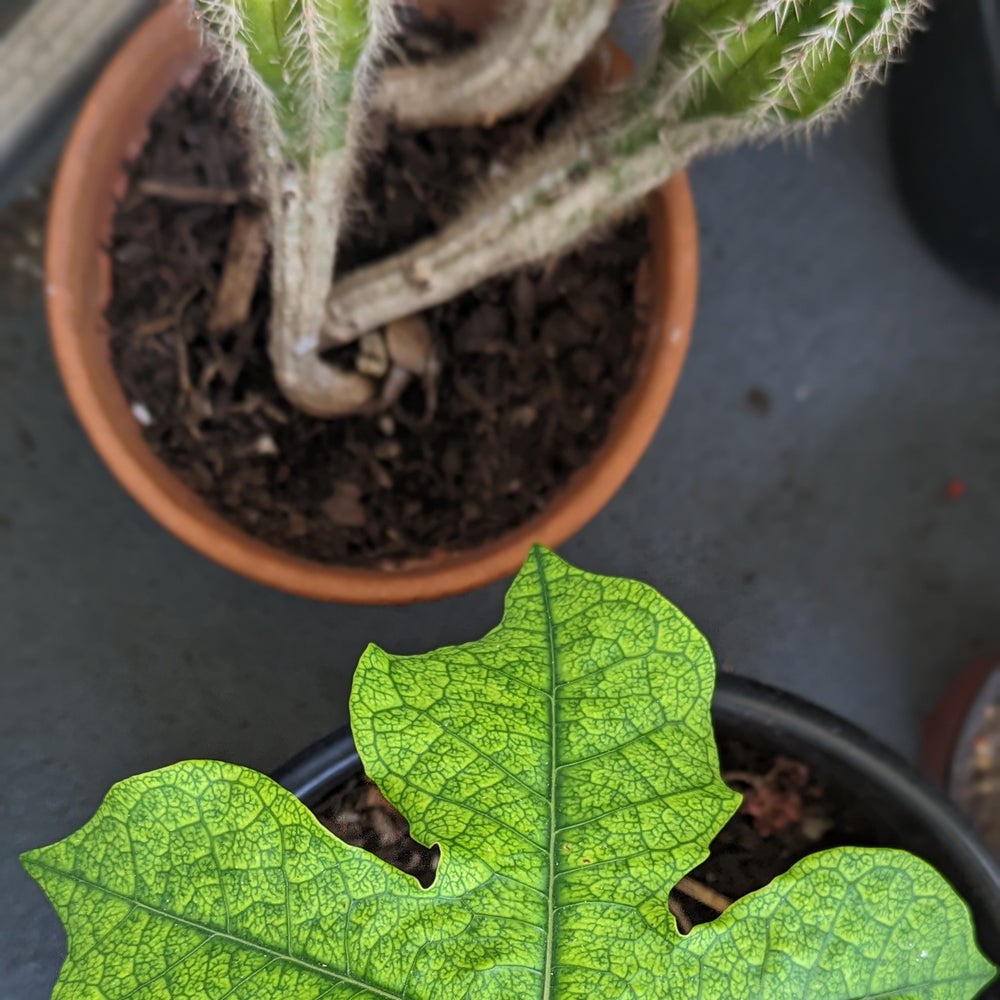
Clay pots are a favorite among plant enthusiasts for good reason. Their excellent breathability promotes healthy root systems, allowing air to circulate effectively.
Additionally, clay pots naturally regulate moisture levels, which helps reduce the risk of overwatering. However, keep in mind that they are heavier than other options, making them a bit of a workout when you need to move them around.
Advantages of Plastic Pots 🪴
Plastic pots offer a lightweight alternative that many gardeners appreciate. They are easy to handle and can be a practical choice, especially for larger plants.
One of the key benefits of plastic pots is their ability to retain moisture longer, which can be a lifesaver in dry conditions. Just remember to check for proper drainage holes to prevent root rot, as stagnant water can be detrimental.
Comparison of Other Materials 🏺
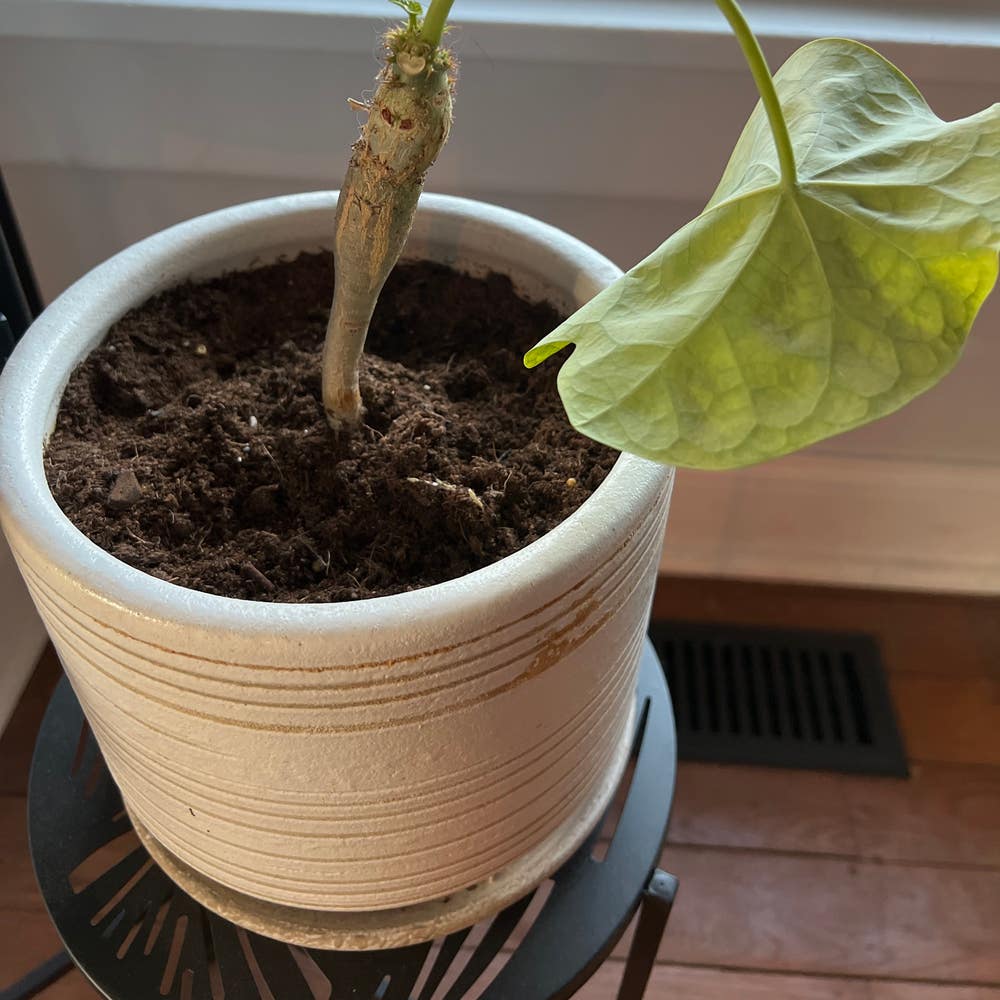
When considering pot materials, ceramic and metal pots also come into play. Ceramic pots are visually appealing and can add a touch of elegance to your plant display, but they may retain too much moisture, which can lead to issues.
On the other hand, metal pots are great for drainage but can heat up quickly in the sun, potentially harming your plant's roots. Each material has its pros and cons, so choose based on your specific needs and the environment in which your coral plant will thrive.
As you weigh your options, remember that the right pot material can significantly impact your plant's health and growth. Next, let’s explore the importance of drainage and how it affects your plant's well-being.
Drainage and Health
Importance of drainage holes 🌊
Proper drainage holes are crucial for the health of your coral plants. They prevent water accumulation, which can lead to root rot, a common issue for many plant owners.
Aim for at least 2-3 drainage holes in your pot to ensure optimal drainage. This simple feature can make a significant difference in your plant's overall health.
How poor drainage affects health 🚫
When drainage is inadequate, your plants will show clear signs of distress. Look out for yellowing leaves and wilting, even if you're watering them correctly.
Root rot is another serious consequence of poor drainage, leading to a decline in plant vitality. Addressing drainage issues promptly can save your plants from further damage.
Solutions for improving drainage 💧
Enhancing drainage is straightforward and can be done with a few simple steps. Start by adding a layer of gravel or stones at the bottom of the pot to facilitate water flow.
Additionally, choose potting soil specifically designed for good drainage. This will help maintain the right moisture levels, keeping your coral plants thriving.
With proper drainage in place, your plants will be better equipped to flourish. Next, let’s explore the signs that indicate when it’s time to repot your coral plants.
Repotting
When to repot 🌱
Recognizing the right time to repot your coral plant is crucial for its health. Look for signs like roots pushing out of the drainage holes or soil that dries out too quickly or retains too much moisture.
Choosing the right pot during repotting 🪴
When selecting a new pot, size and material matter. Increase the pot size by 2 inches in diameter and choose a material that suits your climate and personal style.
Best practices for repotting 🛠️
Follow these steps for a successful repotting experience:
- Prepare the new pot with fresh potting soil to give your plant a nutrient boost.
- Gently remove the plant from its current pot, being careful not to damage the roots.
- Inspect roots for damage and trim any unhealthy sections to promote better growth.
- Place the plant in the new pot, ensuring it sits at the same depth as before.
- Water thoroughly and allow excess water to drain out, ensuring your plant settles into its new home.
By following these guidelines, you can ensure your coral plant thrives in its new environment. Next, let’s explore the importance of drainage and how it impacts plant health.
⚠️ Safety First
This content is for general information and may contain errors, omissions, or outdated details. It is not medical, veterinary advice, or an endorsement of therapeutic claims.
Always consult a qualified healthcare professional before using any plant as food, medicine, or supplement.
Never eat any plant (or feed one to pets) without confirming its identity with at least two trusted sources.
If you suspect poisoning, call Poison Control (800) 222-1222, the Pet Poison Helpline (800) 213-6680, or your local emergency service immediately.
Spotted an error? Please report it here.
Choose the perfect pot for your coral plant 🌱 with Greg's tailored tips and reminders, ensuring it thrives in a healthy environment!