🌸 Ultimate Guide to Companion Plants for Coral Plant
Jatropha multifida
By the Greg Editorial Team
Nov 08, 2024•5 min read
This article was created with the help of AI so we can cover more plants for you. May contain errors. See one? Report it here.
Boost your garden's beauty and health 🌼 by pairing Coral Plants with ideal companion plants for vibrant ecosystems!
- 🌼 Marigolds and Basil repel pests while thriving alongside Coral Plants.
- 🌿 Nasturtiums and Borage enhance aesthetics and attract beneficial insects for Coral Plants.
- ❌ Avoid cabbage and fennel to protect Coral Plants from pests and nutrient competition.
Best Companion Plants for Coral Plant
🌼 Marigold
Marigolds are a gardener's best friend, showcasing bright yellow and orange flowers that not only attract pollinators but also bring a splash of color to your garden. Their natural pest-repellent properties make them particularly effective against nematodes and aphids, keeping your Coral Plant safe from unwanted visitors.
These vibrant flowers thrive alongside Coral Plants due to their similar watering needs and preference for well-drained soil. Plus, the contrasting colors of marigolds and Coral Plant flowers create a stunning visual display that enhances your garden's appeal.
🌿 Basil
Basil is more than just a culinary delight; it's an aromatic herb that repels pesky flies and mosquitoes. By planting basil, you not only enjoy its fresh flavor in your dishes but also contribute to a diverse and healthy garden ecosystem.
This herb flourishes in warm, humid conditions, making it a perfect companion for Coral Plants. Its growth habit complements the Coral Plant's structure, creating a harmonious garden environment.
🌸 Nasturtium
Nasturtiums are a feast for the eyes and the palate, featuring brightly colored flowers and edible leaves. They serve as a trap crop for aphids, effectively diverting these pests away from your Coral Plant.
Thriving in similar soil conditions, nasturtiums also attract beneficial insects that can help maintain a balanced ecosystem. Their vibrant colors and unique textures add depth and interest to your garden.
🌟 Borage
Borage stands out with its star-shaped blue flowers that attract a variety of pollinators. This plant is known for improving soil health and nutrient availability, making it a valuable addition to any garden.
Borage prefers similar growing conditions to Coral Plants, enhancing biodiversity in your garden. Its deep roots aerate the soil, providing essential benefits that support the health of your Coral Plant.
These companion plants not only protect and enhance the growth of your Coral Plant but also contribute to a vibrant and diverse garden. As you explore these options, consider how each plant can work together to create a thriving ecosystem.
Pest Management with Companion Plants
Companion plants are a gardener's secret weapon against pests. By utilizing their natural pest-repellent properties, you can effectively protect your Coral Plant and create a thriving garden ecosystem.
🌱 Creating a Balanced Ecosystem
Companion planting fosters a balanced ecosystem that attracts beneficial insects. These helpful critters, like ladybugs and lacewings, feast on harmful pests, reducing the need for chemical interventions.
🌼 Marigold's Pest-Repelling Power
Marigolds are renowned for their ability to deter nematodes and aphids. Their vibrant blooms not only brighten your garden but also serve as a natural barrier against these pests.
🌿 Basil's Protective Qualities
Basil is more than just a culinary delight; it effectively repels flies and mosquitoes. Planting basil near your Coral Plant not only enhances flavor in your kitchen but also keeps pesky insects at bay.
🌸 Nasturtium as a Trap Crop
Nasturtium plays a unique role in pest management by acting as a trap crop. Its attractive flowers lure aphids away from your Coral Plant, protecting it from potential damage.
By incorporating these companion plants, you can create a pest-resistant environment that supports the health and beauty of your Coral Plant. This strategic planting not only safeguards your garden but also enhances its overall vitality, leading to a flourishing landscape.
Next, let's explore how these companion plants can elevate the visual appeal of your Coral Plant garden.
Visual Appeal and Aesthetic Considerations
Companion plants can significantly enhance the visual appeal of Coral Plant gardens. By creating a vibrant and diverse color palette, these plants transform your garden into a lively and inviting space.
🎨 Creating a Colorful Palette
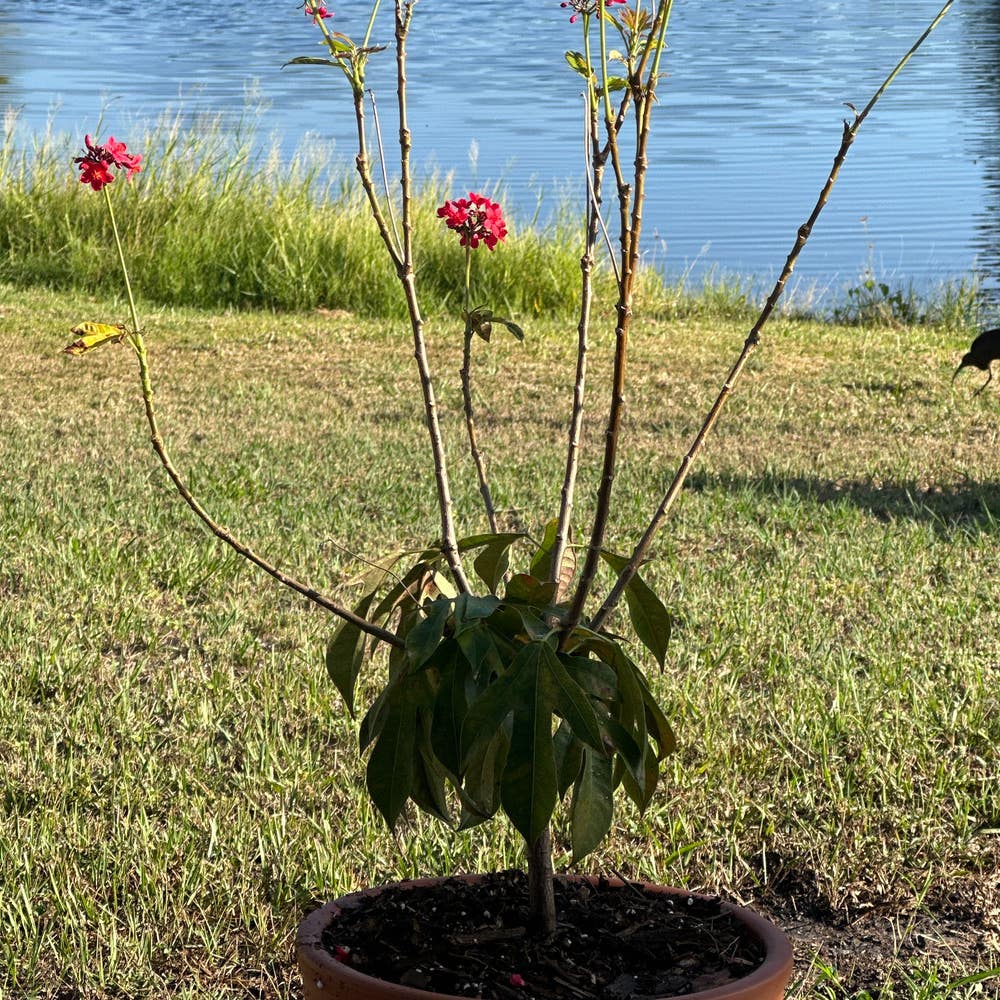
The bright hues of companion plants like Marigold contrast beautifully with the Coral Plant's striking red flowers. This combination not only draws the eye but also creates a dynamic visual experience.
🌿 Adding Texture and Height
In addition to color, companion plants introduce layers of texture and height variation. The lush green foliage of Basil and Nasturtium complements the Coral Plant, adding depth and richness to the garden.
🌈 Harmonious Combinations
When selecting companion plants, consider how their colors and textures interact with the Coral Plant. The vibrant yellows and oranges of Marigold can create a stunning backdrop, while the soft greens of Basil and Nasturtium enhance the overall aesthetic.
🌼 Elevating Garden Design
Incorporating these companion plants not only beautifies your garden but also fosters a sense of harmony. This thoughtful arrangement can inspire creativity and encourage a deeper appreciation for the natural world.
As you plan your garden, remember that the right companion plants can elevate your Coral Plant's beauty while promoting a thriving ecosystem. Next, let’s explore how these plants can help manage pests effectively.
Plants to Avoid Near Coral Plant
When planning your garden, it's crucial to know which plants to steer clear of when growing Coral Plant. Certain companions can create more problems than they solve.
🥬 Cabbage Family
Plants in the cabbage family, such as broccoli and kale, can attract pests that pose a threat to Coral Plant. These pests, like aphids and caterpillars, can quickly become a nuisance, leading to potential damage.
🌱 Fennel
Fennel is another plant to avoid. It competes for nutrients and can inhibit the growth of Coral Plant, stunting its development and overall health.
❌ Incompatibility Explained
The incompatibility of these plants stems from their similar pest attraction. This overlap can lead to increased competition for resources, making it harder for Coral Plant to thrive.
Additionally, some plants may exhibit allelopathy, releasing chemicals that hinder the growth of Coral Plant. This can create a hostile environment, ultimately affecting your garden's success.
By avoiding these plants, you can help ensure a healthier, more vibrant Coral Plant. Next, let’s explore how companion plants can enhance pest management in your garden.
⚠️ Safety First
This content is for general information and may contain errors, omissions, or outdated details. It is not medical, veterinary advice, or an endorsement of therapeutic claims.
Always consult a qualified healthcare professional before using any plant as food, medicine, or supplement.
Never eat any plant (or feed one to pets) without confirming its identity with at least two trusted sources.
If you suspect poisoning, call Poison Control (800) 222-1222, the Pet Poison Helpline (800) 213-6680, or your local emergency service immediately.
Spotted an error? Please report it here.
Enhance your garden's beauty and protect your Coral Plants with companion plants like marigolds and basil, and let Greg provide you with personalized care tips 🌱 to ensure your vibrant landscape thrives!