🐟 How Tall Your Coral Plant Can Get
Jatropha multifida
By the Greg Editorial Team
Nov 08, 2024•5 min read
This article was created with the help of AI so we can cover more plants for you. May contain errors. See one? Report it here.
Master coral plant growth 🌱 with essential tips on conditions and pruning for a vibrant garden display!
- 🌱 Coral plants grow 2 to 4 feet tall, with some dwarf varieties at 1 to 2 feet.
- ☀️ Optimal conditions like full sun and nutrient-rich soil boost growth rates significantly.
- ✂️ Pruning in spring helps control size and encourages bushier growth for coral plants.
Mature Height and Spread
Typical Dimensions 🌱
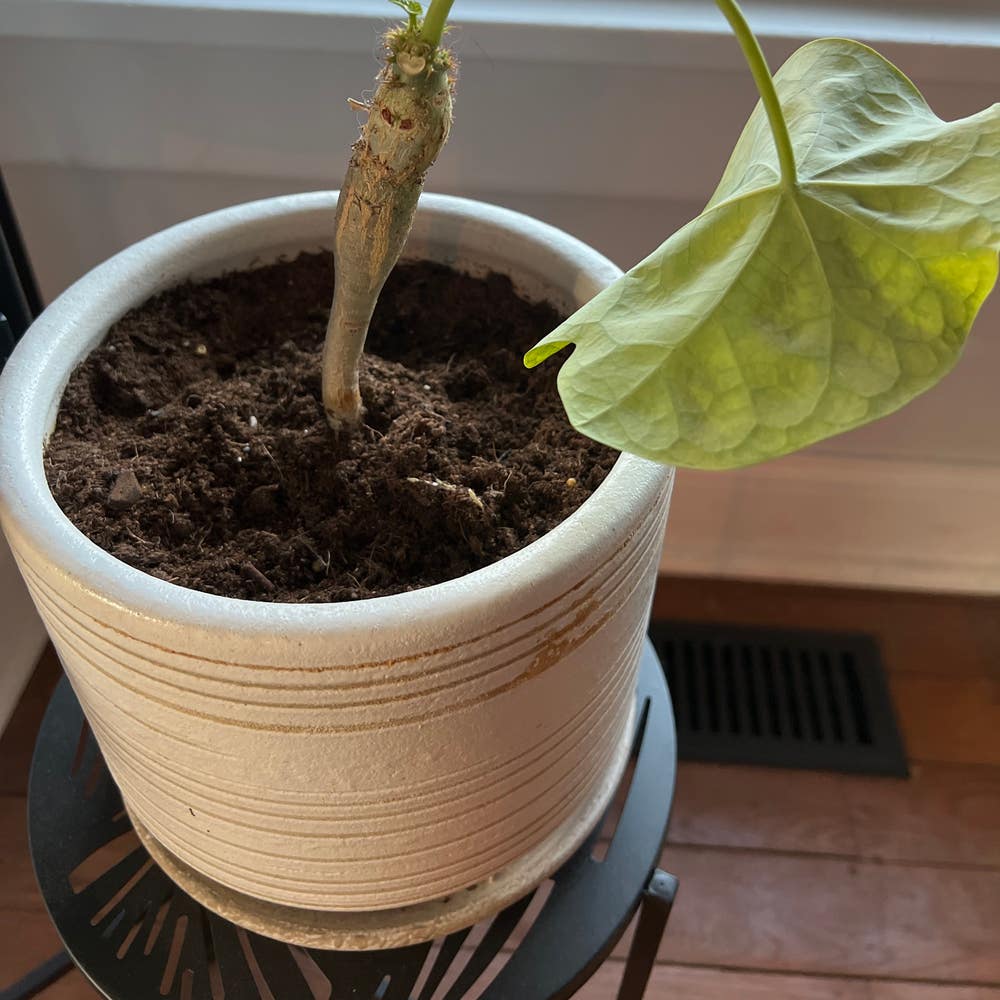
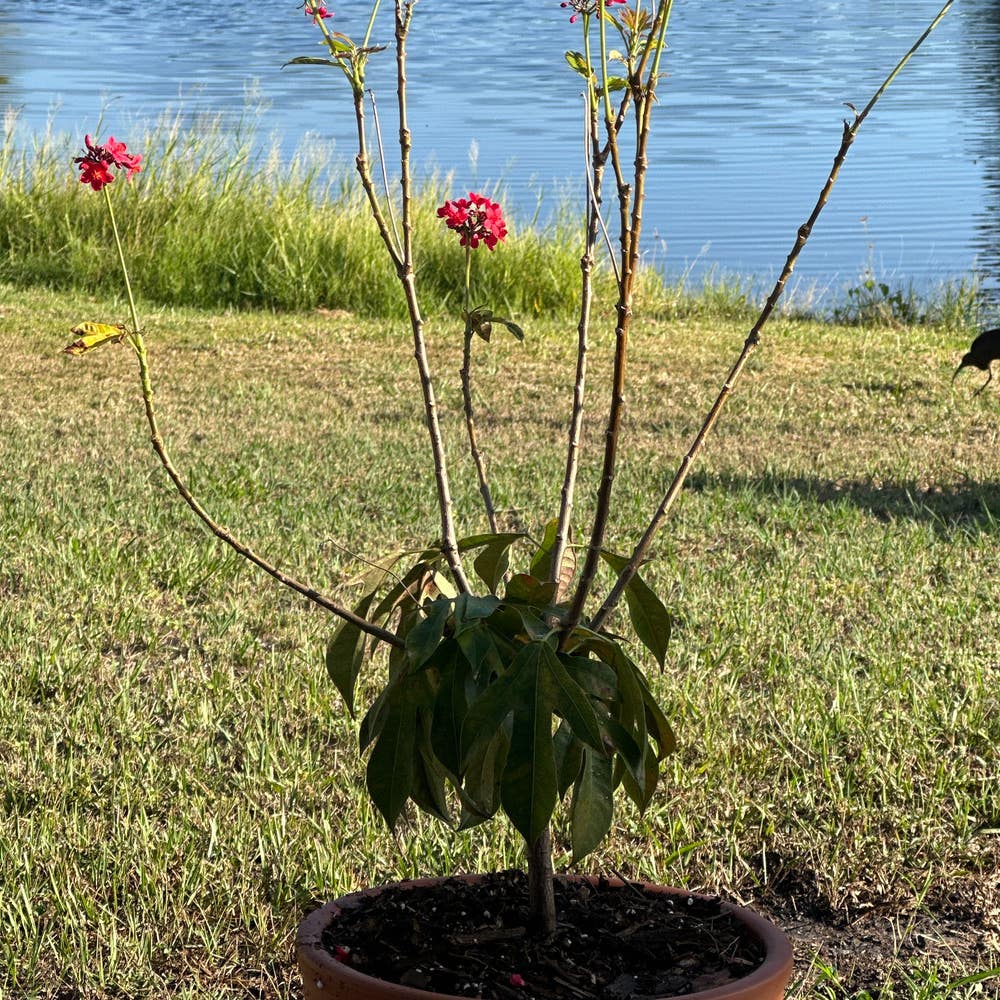
Coral plants typically reach a mature height of 2 to 4 feet, depending on their growing conditions. Their spread usually ranges from 1 to 3 feet wide, making them a manageable addition to any garden.
Size Variability Among Varieties 🌈
There’s a fascinating variety in coral plants. Dwarf varieties can reach heights of just 1 to 2 feet, while giant varieties can exceed 4 feet, showcasing the diversity within this species.
Several factors influence this size variability. Genetic differences, environmental conditions, and care practices all play crucial roles in determining how tall and wide your coral plant will grow. Understanding these factors can help you choose the right variety for your space and gardening goals.
As you consider adding a coral plant to your garden, keep in mind that the right conditions can lead to impressive growth. With proper care, you can enjoy a vibrant, healthy plant that enhances your outdoor space.
Next, let’s explore how the growth rate of coral plants can be influenced by various factors.
Growth Rate
🌱 Factors Influencing Growth Rate
The growth rate of your coral plant hinges on several key factors. Optimal conditions, such as warm temperatures, adequate moisture, and nutrient-rich soil, can significantly boost growth.
Conversely, poor conditions can hinder development. Limited light, inadequate water, or poor soil quality can slow growth considerably, leaving your plant struggling to thrive.
📏 Average Growth Rate
Under ideal conditions, a coral plant can grow approximately 1 to 2 feet per year. This impressive growth rate makes it a popular choice among gardeners looking for vibrant greenery.
When compared to similar species, the coral plant holds its own. Many plants may grow at a similar pace, but the coral plant's unique aesthetic and resilience set it apart in any garden setting.
As you nurture your coral plant, remember that providing the right conditions will maximize its growth potential. This understanding will help you create a thriving environment for your plant, leading to a lush and vibrant display.
Next, let’s explore the time it takes for your coral plant to reach its full size.
Time Taken to Reach Full Size
🌱 Growth Timeline
The journey from seedling to maturity for a coral plant typically spans 2 to 3 years. This timeline can vary significantly based on factors like soil quality, light exposure, and care practices, which can either accelerate or delay growth.
🌞 Seasonal Growth Patterns
During spring and summer, coral plants experience active growth, often leading to noticeable height increases. In contrast, fall and winter bring slower growth rates, with some plants entering a state of dormancy that can affect their overall size.
Understanding these growth timelines and seasonal patterns is crucial for anyone looking to cultivate healthy coral plants. By optimizing conditions during the active growth periods, you can help your plants reach their full potential.
As we explore the next section, we'll delve into how various growing conditions can influence the size of your coral plant.
Influence of Growing Conditions on Size
🌱 Impact of Soil Type
The type of soil you use plays a crucial role in the growth of your coral plant. Well-draining, nutrient-rich soil promotes optimal growth and allows your plant to reach its full potential in size.
In contrast, poor soil conditions can stunt growth and limit the overall size of your coral plant. Ensuring your soil is both rich in nutrients and well-draining is essential for a thriving plant.
☀️ Effects of Light Exposure
Light exposure is another key factor influencing the size of your coral plant. Full sun, which means 6 to 8 hours of direct sunlight daily, encourages maximum growth and height.
On the other hand, partial shade may result in smaller plants with elongated stems. If you want your coral plant to flourish, aim for a sunny spot in your garden.
💧 Influence of Water Availability
Water availability is vital for healthy growth and achieving mature dimensions. Consistent moisture is essential; it keeps your coral plant hydrated and thriving.
However, be cautious of overwatering or drought conditions. Both extremes can lead to stunted growth and reduced size, so finding the right balance is crucial.
🌡️ Temperature and Humidity Effects
Temperature and humidity also significantly impact your coral plant's growth. The ideal temperature range for optimal growth is between 65°F to 85°F (18°C to 29°C).
High humidity levels are favorable for larger growth, while low humidity can hinder size. Keeping your coral plant in a suitable environment will help it flourish and reach impressive heights.
With these growing conditions in mind, you can create the perfect environment for your coral plant to thrive. Next, let’s explore how you can control its size through effective pruning techniques.
Controlling Size through Pruning
✂️ Techniques for Pruning
Pruning your coral plant is essential for controlling its size and promoting healthy growth. One effective technique is pinching back the tips, which encourages bushier growth and can help limit the plant's height.
Another important practice is removing dead or damaged stems. This not only maintains the overall health of the plant but also contributes to a more aesthetically pleasing appearance.
⏰ Best Times for Pruning
Timing is crucial when it comes to pruning. Early spring is the ideal time for major pruning, as it prepares the plant for the upcoming growing season.
In late summer, consider light pruning to help control size before the plant enters dormancy. This approach ensures your coral plant remains manageable throughout the year.
📏 How Pruning Affects Growth Rate and Dimensions
Pruning can have a significant impact on growth rate and dimensions. While it stimulates new growth, improper management can lead to increased overall dimensions, which may not align with your size goals.
Balancing size control with aesthetic appeal is key. Maintaining a healthy plant while managing its size will enhance both its beauty and longevity, ensuring your coral plant thrives in your garden.
With these pruning techniques and timing tips, you can effectively control the size of your coral plant while promoting its health and vibrancy. Now, let’s explore how various growing conditions influence the size of your coral plant.
⚠️ Safety First
This content is for general information and may contain errors, omissions, or outdated details. It is not medical, veterinary advice, or an endorsement of therapeutic claims.
Always consult a qualified healthcare professional before using any plant as food, medicine, or supplement.
Never eat any plant (or feed one to pets) without confirming its identity with at least two trusted sources.
If you suspect poisoning, call Poison Control (800) 222-1222, the Pet Poison Helpline (800) 213-6680, or your local emergency service immediately.
Spotted an error? Please report it here.
Unlock the full potential of your coral plants 🌱 with Greg's tailored watering and care reminders, ensuring they thrive beautifully in your garden!