Ultimate Guide to What's Eating Your Auricula 🐛
Primula auricula
By the Greg Editorial Team
Oct 16, 2024•6 min read
This article was created with the help of AI so we can cover more plants for you. May contain errors. See one? Report it here.
- 🌼 Auricula plants attract herbivores like deer, rabbits, and squirrels due to their tender shoots.
- 🦌 Signs of deer damage include hoof prints and droppings; protect with fencing and repellents.
- 🐦 Encourage beneficial insects for pollination while deterring pests with natural methods like companion planting.
Description and Appeal of Auricula
Appearance 🌼
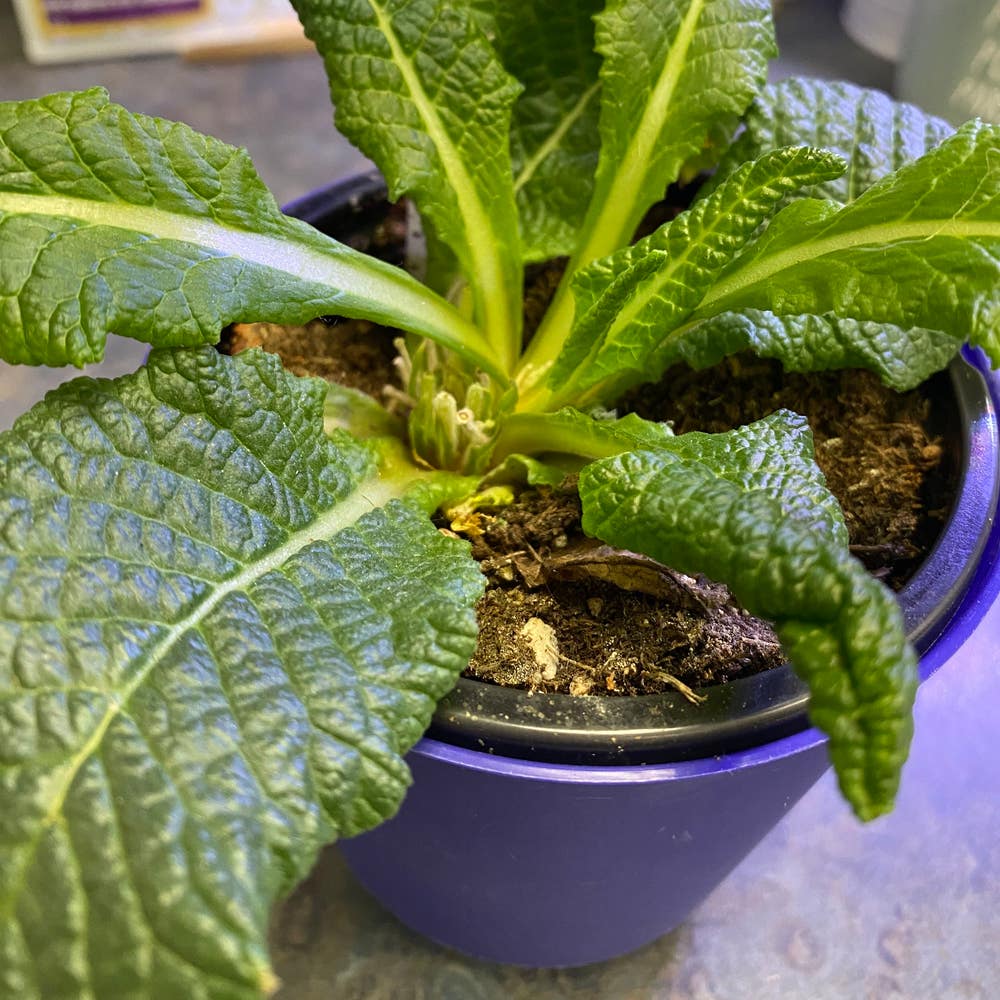
Auricula plants are a sight to behold, featuring a rosette of thick, fleshy leaves that create a lush, vibrant display. Their flowers bloom in striking shades of yellow, purple, and blue, making them a favorite among gardeners.
Common cultivars like 'Goldfinch' and 'Marmalade' stand out for their unique colors and forms. These variations add character to any garden, inviting admiration from all who pass by.
Most Appealing Parts to Animals 🐾
The allure of Auricula extends beyond human appreciation; animals find them irresistible too. The flowers, with their soft texture and high moisture content, are particularly appealing to various herbivores.
Young shoots are another delicacy, tender and nutritious, drawing in hungry critters. This combination of features makes Auricula a target for many garden visitors, both charming and troublesome.
Common Herbivores Affecting Auricula
🦌 Deer
Signs of Presence
Look for distinct hoof prints in your garden, which indicate deer activity. Dark, pellet-like droppings near your Auricula are another clear sign.
Type of Damage
Deer are notorious for browsing on leaves, often stripping them bare or causing significant damage. This can lead to weakened plants and reduced growth.
Interaction
Generally, deer are harmful to Auricula populations. Their feeding habits can decimate your plants, leaving them vulnerable.
Deterrent Methods
To keep deer at bay, consider installing 8-foot tall fencing around your garden. You can also use commercial deer repellents or homemade solutions, like garlic spray, to deter them effectively.
🐇 Rabbits
Signs of Presence
Rabbits leave behind clean cuts on young shoots, indicating they’ve been munching. You might also find small, round droppings scattered around your plants.
Type of Damage
These little critters gnaw on young shoots, leading to stunted growth and overall plant damage. Their appetite can significantly affect the health of your Auricula.
Interaction
Rabbits are generally harmful to your plants. Their feeding can lead to noticeable declines in plant vitality.
Deterrent Methods
To protect young plants, use netting as a physical barrier. Additionally, strong-smelling herbs like mint can serve as natural repellents.
🐿️ Squirrels
Signs of Presence
Squirrels often disturb the soil around the base of your plants, leaving signs of digging. You may also notice irregular holes in the foliage from their chewing.
Type of Damage
They can uproot plants, displacing your Auricula from the soil. This can lead to significant plant loss if not addressed.
Interaction
Squirrels are generally harmful to Auricula. Their antics can disrupt your garden's ecosystem.
Deterrent Methods
Employ scare tactics like reflective objects or noise-making devices to keep squirrels away. Wire mesh barriers around the base of plants can also provide effective protection.
🐦 Birds
Signs of Presence
Look for pecked flowers and damaged seed heads as indicators of bird activity. Nests nearby can also signal their presence in your garden.
Type of Damage
Birds often eat seeds and flowers, which reduces flowering and seed production. This can disrupt the reproductive cycle of your Auricula.
Interaction
Birds are generally harmful to your plants. Their feeding habits can lead to a decline in plant health.
Deterrent Methods
Use predator decoys to scare birds away from your garden. Hanging shiny materials can also deter them from feeding.
🐭 Rodents (Mice, Voles)
Signs of Presence
Rodents leave small burrows or pathways in the soil, indicating their activity. You may also find small, dark pellets near your plants.
Type of Damage
They gnaw on roots, leading to plant stress and potential decline. This root damage can be detrimental to your Auricula's health.
Interaction
Rodents are generally harmful to your plants. Their feeding can cause significant damage over time.
Deterrent Methods
For rodent control, consider using snap traps or live traps. Encouraging natural predators like owls or hawks in your area can also help manage their populations.
Understanding these common herbivores and their impact on Auricula is crucial for maintaining a healthy garden. With the right deterrent methods, you can protect your plants and enjoy their beauty for years to come.
Beneficial Animals and Insects
🐝 Pollinators
Pollinators play a crucial role in the health of your Auricula. Bees, butterflies, and other beneficial insects are essential for seed production, ensuring your plants thrive.
These creatures not only help in reproduction but also contribute to the overall vitality of your garden. Their presence can lead to more vibrant blooms and a healthier ecosystem.
🦋 Role of Beneficial Insects in Pest Control
Beneficial insects like ladybugs and lacewings act as natural predators, keeping harmful pest populations in check. By encouraging these insects, you can create a balanced ecosystem that supports your Auricula.
Maintaining biodiversity is key. A diverse garden attracts various beneficial species, enhancing plant health and resilience against pests.
Incorporating these beneficial animals into your gardening strategy can lead to a flourishing Auricula population. As you nurture your plants, remember that fostering a welcoming environment for these allies is just as important as protecting them from herbivores.
Next, let’s explore general strategies for protecting your Auricula from potential threats.
General Strategies for Protecting Auricula
🛡️ Preventive Measures
Fencing is one of the most effective ways to protect your Auricula from larger herbivores. A sturdy barrier, ideally 8 feet tall, can keep deer and other animals at bay.
Companion planting is another smart strategy. By choosing plants that repel pests or attract beneficial insects, you can create a more resilient garden ecosystem.
⚠️ Reactive Solutions
When prevention isn't enough, setting traps can provide immediate control for rodent issues. Snap traps or live traps can effectively manage populations of mice and voles.
Additionally, applying organic or chemical repellents can deter unwanted visitors. Regularly refreshing these deterrents ensures they remain effective against persistent pests.
🌱 Maintaining a Balanced Ecosystem
Understanding the interactions between your plants and local wildlife is crucial. Balancing protection with ecological roles helps maintain a healthy garden environment.
Encouraging beneficial wildlife, like pollinators and natural predators, can enhance your garden's health. Creating habitats for these allies fosters a balanced ecosystem that supports your Auricula's growth.
By implementing these strategies, you can safeguard your Auricula while promoting a thriving garden. Next, let’s explore the seasonal considerations that affect plant vulnerability and animal attraction.
Seasonal Considerations
🐾 Variations in Animal Attraction
As spring arrives, herbivores become increasingly active, drawn to the fresh growth of Auricula. This surge in activity can lead to significant plant damage as animals seek out tender shoots and vibrant flowers.
In summer, feeding peaks for many animals, making it crucial to monitor your Auricula closely. The lush foliage and blooming flowers serve as an irresistible buffet for various herbivores.
⏰ Timing of Plant Vulnerability
Young shoots are particularly vulnerable in early spring, making them prime targets for hungry critters. During the flowering period, the allure of colorful blooms can attract even more herbivores, heightening the risk of damage.
☠️ Toxicity Considerations
While Auricula is generally safe, it's essential to recognize its potential toxicity. Animals consuming large quantities may experience adverse effects, so understanding these toxicity levels is vital for effective plant management.
Being aware of these seasonal dynamics can help you protect your Auricula and maintain a thriving garden. With the right strategies, you can enjoy the beauty of these plants while minimizing the impact of hungry visitors.
⚠️ Safety First
This content is for general information and may contain errors, omissions, or outdated details. It is not medical, veterinary advice, or an endorsement of therapeutic claims.
Always consult a qualified healthcare professional before using any plant as food, medicine, or supplement.
Never eat any plant (or feed one to pets) without confirming its identity with at least two trusted sources.
If you suspect poisoning, call Poison Control (800) 222-1222, the Pet Poison Helpline (800) 213-6680, or your local emergency service immediately.
Spotted an error? Please report it here.
Keep your Auricula thriving 🌼 by using Greg's personalized pest management tips to fend off those pesky herbivores and ensure your garden stays vibrant!