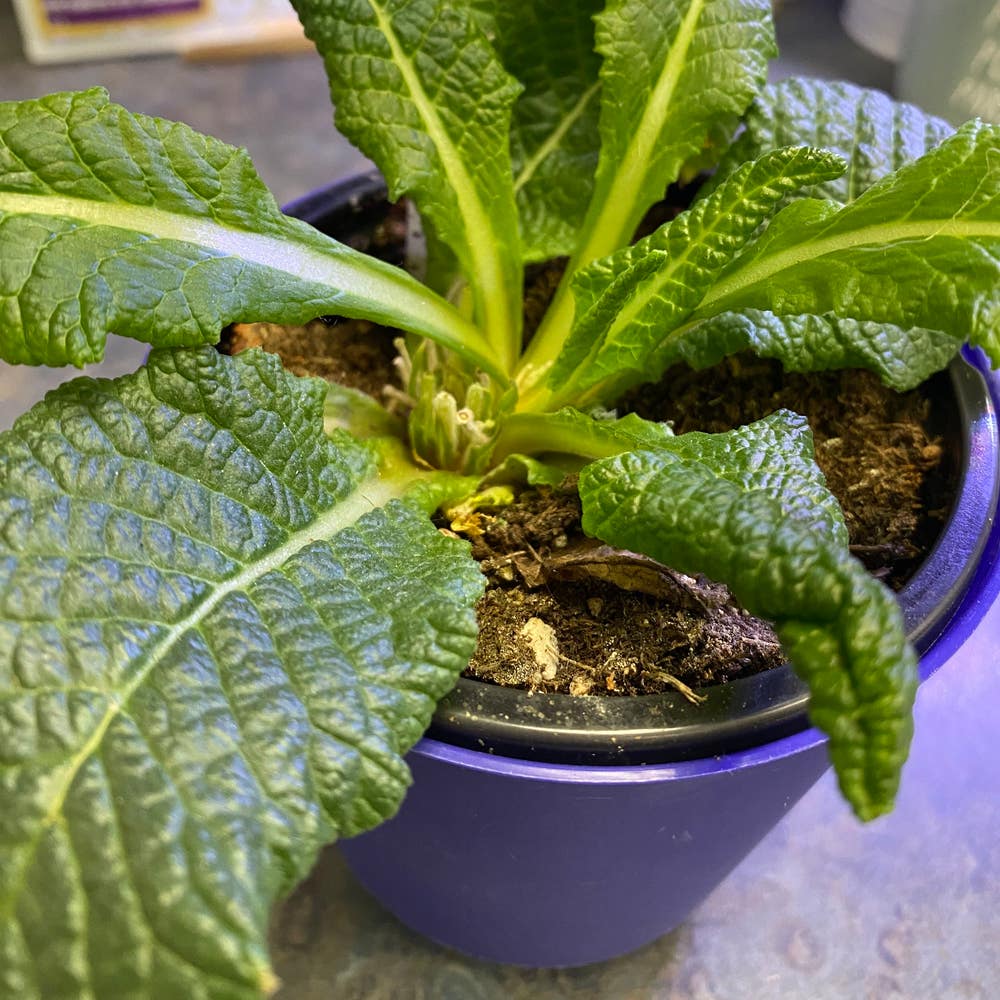
Auricula: A Perennial Plant 🌸
Primula auricula
By the Greg Editorial Team
Oct 16, 2024•4 min read
This article was created with the help of AI so we can cover more plants for you. May contain errors. See one? Report it here.
- 🌼 Auricula thrives for over five years, making it a long-term gardening investment.
- 🌱 Unique rosette leaves and established roots ensure vibrant seasonal regrowth.
- 🌍 Adaptable to various soils, Auricula suits diverse gardening environments effortlessly.
Characteristics of Auricula as a Perennial
🌱 Multi-Year Lifecycle
Auricula plants boast a fascinating multi-year lifecycle. They begin with germination, followed by growth, flowering, and ultimately dormancy.
Typically, these resilient plants can live for several years, often exceeding five years when provided with optimal conditions. This longevity makes them a valuable addition to any garden.
🌿 Growth Patterns and Regrowth
One of the standout features of Auricula is its rosette formation. This unique leaf arrangement not only adds visual interest but also supports its perennial nature.
Each season, Auricula utilizes its established root system to sprout new growth. This regrowth process ensures that the plant remains vibrant year after year.
🌍 Adaptability
Auricula is remarkably adaptable, thriving in various soil types and moisture levels. Its robust root system allows it to withstand different environmental conditions, making it a favorite among gardeners.
This adaptability means that whether you have sandy, clay, or loamy soil, Auricula can find a way to flourish. It's a plant that truly embodies resilience in the garden.
As we explore the seasonal changes and dormancy of Auricula, you'll see how these characteristics play a crucial role in its lifecycle.
Seasonal Changes and Dormancy
💤 Dormancy Periods
Dormancy is a fascinating survival strategy for Auricula. During the winter months, the plant conserves energy, allowing it to endure harsh conditions.
Signs of dormancy are quite noticeable. You’ll see leaf dieback and a significant reduction in activity, signaling that the plant is resting and preparing for the next growth cycle.
🌸 Seasonal Growth and Flowering
As spring arrives, Auricula experiences a remarkable awakening. Growth resumes, and vibrant flowers begin to bloom, bringing life back to the garden.
Several factors influence these seasonal changes. Temperature, light, and moisture levels play crucial roles in determining how quickly and robustly Auricula will thrive after its winter slumber.
Understanding these seasonal dynamics is essential for any gardener. By recognizing the dormancy and growth patterns, you can better plan your garden and ensure your Auricula flourishes year after year.
Next, we’ll explore the advantages of incorporating Auricula into your garden design, highlighting its perennial nature and long-term benefits.
Advantages for Gardeners
Benefits of Perennial Nature 🌱
Auricula plants offer a fantastic advantage for gardeners due to their perennial nature. With Auricula, you can significantly reduce the need for replanting, making it a long-term investment in your garden design.
Their established root systems enhance resilience, allowing them to adapt to various environmental changes. This means less worry about seasonal fluctuations and more time to enjoy your garden.
Expected Lifespan and Influencing Factors ⏳
On average, Auricula can live between 5 to 10 years, depending on the care they receive and the environmental conditions. Factors such as soil quality, moisture levels, and climate can greatly influence their longevity.
Healthy soil and consistent moisture are crucial for maximizing their lifespan. By paying attention to these elements, you can ensure your Auricula thrives for years to come.
With these advantages in mind, let's explore how Auricula adapts across different climate zones.
Variations Across Climate Zones
🌍 Climate Influence on Behavior
Auricula plants are remarkably adaptable, thriving in various USDA hardiness zones. This resilience allows them to flourish in diverse climates, from temperate regions to cooler areas.
Growth variations are evident as well. Depending on local conditions, flowering and overall growth patterns can differ significantly. For instance, in warmer climates, Auricula may bloom earlier, while in cooler zones, the flowering period can be delayed.
⏳ Longevity in Different Conditions
Soil type plays a crucial role in the health of Auricula. Well-draining soil is essential for robust root development, preventing waterlogging that can lead to root rot.
Moisture levels also significantly impact Auricula's lifespan. Consistent watering, without over-saturation, helps maintain plant vitality, ensuring these perennials thrive year after year.
Understanding these factors can help gardeners maximize the benefits of Auricula in their landscapes. As we explore how to incorporate Auricula into garden designs, consider these climate influences for optimal placement and care.
Maximizing Benefits in Garden Planning
Incorporating Auricula in Design 🌼
When planning your garden, consider companion planting with Auricula. Pairing it with plants like primroses or alpine daisies can enhance both aesthetics and health, creating a vibrant display while promoting beneficial interactions.
Strategic placement is crucial for Auricula's success. Choose a location that offers partial shade and well-draining soil to meet its moisture needs, ensuring it thrives throughout the seasons.
Long-Term Cultivation Strategies 🌱
Regular maintenance is key to keeping your Auricula healthy. Monitor for pests and diseases, and ensure the soil remains nutrient-rich to support its growth.
Adjust your care routines based on the plant's dormancy and growth phases. During dormancy, reduce watering, but as spring approaches, gradually increase moisture to encourage robust growth and flowering.
By incorporating these strategies, you can maximize the benefits of Auricula in your garden, ensuring a flourishing and resilient landscape.
⚠️ Safety First
This content is for general information and may contain errors, omissions, or outdated details. It is not medical, veterinary advice, or an endorsement of therapeutic claims.
Always consult a qualified healthcare professional before using any plant as food, medicine, or supplement.
Never eat any plant (or feed one to pets) without confirming its identity with at least two trusted sources.
If you suspect poisoning, call Poison Control (800) 222-1222, the Pet Poison Helpline (800) 213-6680, or your local emergency service immediately.
Spotted an error? Please report it here.
Cultivate a thriving Auricula garden 🌼 with Greg's tailored care tips and watering reminders, ensuring your perennial beauty flourishes year after year!