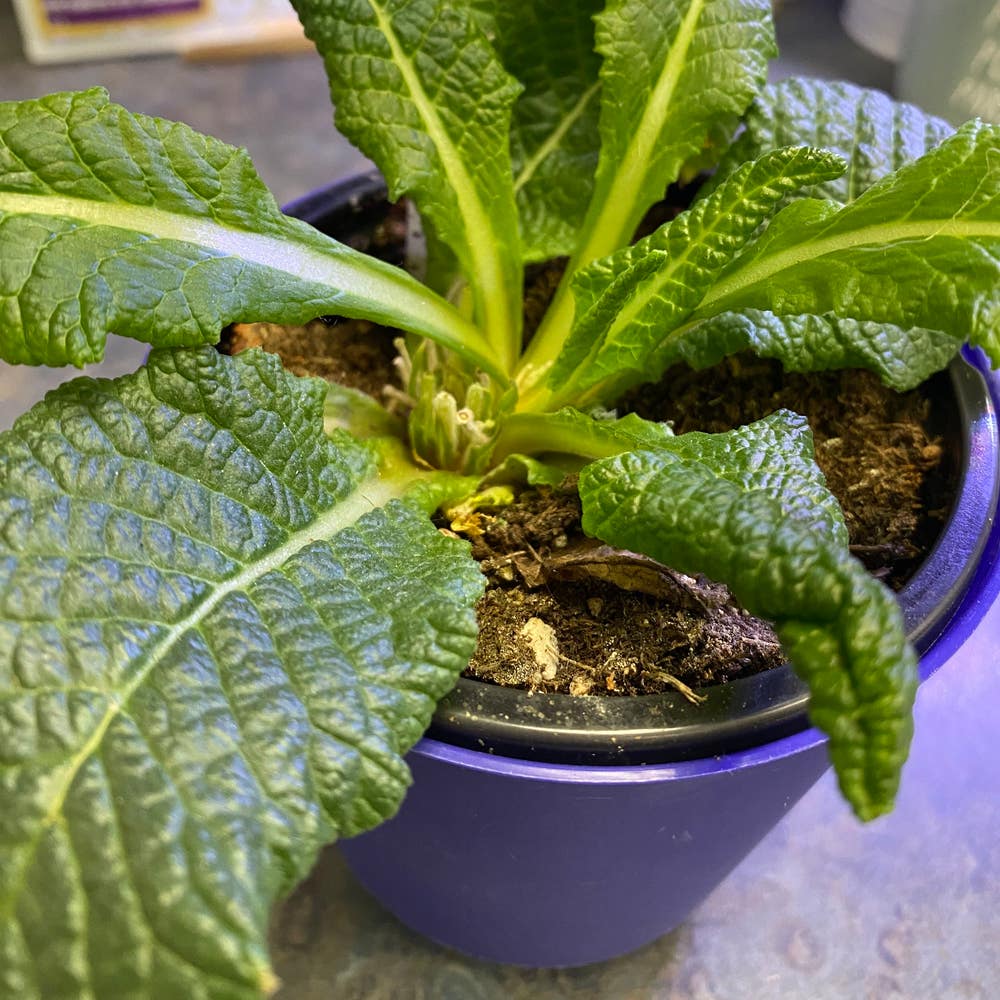
Ultimate Guide to Potting Auricula 🪴
Primula auricula
By the Greg Editorial Team
Oct 16, 2024•5 min read
This article was created with the help of AI so we can cover more plants for you. May contain errors. See one? Report it here.
- 🌱 Use shallow pots (3-4 inches) for seedlings; larger (6-8 inches) for mature Auricula.
- 🏺 Clay pots regulate moisture but dry out quickly; plastic retains moisture longer.
- 🚫 Ensure proper drainage with 3-4 holes to prevent root rot and promote health.
Pot Sizes for Different Growth Stages
Recommended Sizes for Seedlings 🌱
For seedlings, the ideal container size is between 3 to 4 inches in diameter. Shallow pots are crucial for young plants, as they encourage robust root development.
When selecting a potting mix for seedlings, ensure it provides excellent drainage. A mix that retains some moisture while allowing excess water to escape is essential for healthy growth.
Sizes for Mature Plants 🌳
As Auricula matures, the recommended container size increases to 6 to 8 inches in diameter. Larger varieties may require even more space to thrive.
Pot depth is also vital for mature plants, particularly due to their rosette growth habit. A deeper pot allows for better root expansion, supporting the overall health of the plant.
This understanding of pot sizes sets the foundation for selecting the right materials and ensuring proper drainage, which we’ll explore next.
Ideal Pot Materials
🌱 Clay Pots
Clay pots are a popular choice for potting Auricula due to their breathability. This material allows air to circulate through the walls, promoting healthy root development.
Another advantage is moisture regulation; clay can absorb excess water, preventing soggy soil. Plus, they offer a rustic aesthetic that many gardeners love.
However, they do have some drawbacks. Clay pots are heavier, making them less portable, and they can dry out faster than other materials, requiring more frequent watering.
🪴 Plastic Pots
Plastic pots are lightweight and easy to handle, making them a favorite for many gardeners. They retain moisture longer, which can be beneficial for Auricula, especially in warmer conditions.
Additionally, plastic pots are often less expensive, making them a budget-friendly option. However, they are less breathable, which can lead to root rot if drainage isn’t managed properly.
When considering pot materials, think about Auricula's native habitat. In the wild, these plants thrive in well-draining, airy environments, so your choice of pot should reflect that need for balance between moisture retention and drainage.
Choosing the right pot material can significantly impact your Auricula's health and growth. Whether you opt for clay or plastic, understanding their unique characteristics will help you create the perfect environment for your plants.
Next, let’s explore the crucial aspect of drainage considerations to ensure your Auricula thrives.
Drainage Considerations
Importance of Drainage Holes 🌧️
Drainage holes are crucial for preventing waterlogging in your Auricula pots. Without them, excess water can accumulate, leading to root rot and other health issues.
For optimal drainage, aim for at least three to four holes, each about half an inch in diameter. This ensures that water can escape freely, keeping your plants healthy and thriving.
Consequences of Inadequate Drainage ⚠️
Inadequate drainage can result in stunted growth, yellowing leaves, and even plant death. It’s essential to prioritize proper drainage to maintain the vitality of your Auricula.
Ensuring Proper Drainage 🚰
When selecting pots, look for those with built-in drainage features. This simple step can save you a lot of trouble down the line.
Consider using a potting mix that enhances drainage, such as one that includes perlite or sand. These materials help create air pockets, allowing excess moisture to escape.
Techniques for Creating Additional Drainage Layers 🪨
You can also improve drainage by adding a layer of gravel at the bottom of your pot. This technique helps to facilitate water flow and prevents soil from clogging the drainage holes.
By ensuring proper drainage, you set your Auricula up for success. Healthy roots lead to vibrant growth, so take these steps seriously.
Transitioning to the next topic, let’s explore the best practices for repotting your Auricula to keep them flourishing.
Repotting Auricula
Signs That Repotting is Needed 🌱
Recognizing when your Auricula needs repotting is crucial for its health. Look for root-bound indicators, such as roots emerging from drainage holes or circling the pot.
Stunted growth or yellowing leaves can also signal that the pot size is inadequate. Regularly assess your plants, especially during their active growth periods, to determine if it's time for a new home.
Best Practices for Repotting 🛠️
Repotting can be a delicate process, but following these best practices will help ensure success:
- Choosing the right time: Aim for early spring or fall when the plant is less stressed.
- Preparing the new pot: Ensure it’s clean and has proper drainage features.
- Gently removing the plant: Use techniques that minimize root disturbance, like loosening the soil before lifting.
- Filling with appropriate potting mix: Choose a mix that promotes good drainage and aeration for healthy roots.
Choosing the Right Pot When Repotting 🪴
Selecting the right pot is essential for your Auricula's growth. Consider factors like size, material, and drainage features.
Transitioning from plastic to clay pots or vice versa can depend on the plant's growth stage. Always match the pot size to the plant's current health and growth needs to foster optimal development.
With these insights, you're well-equipped to keep your Auricula thriving. Next, let’s explore seasonal considerations for potting to further enhance your plant care routine.
Seasonal Considerations for Potting
Best Time to Pot or Repot 🌱
The ideal time to pot or repot Auricula is during early spring or fall. These seasons provide optimal conditions, minimizing stress on the plant as it transitions into new growth phases.
Seasonal Growth Patterns and Potting Needs 📈
Understanding Auricula's growth cycles is crucial for effective potting. During spring, the plant actively grows, requiring a pot that supports its expanding roots.
In summer, be mindful of temperature and humidity changes. Adjust your potting practices accordingly, ensuring the plant isn't overwhelmed by heat or moisture.
As autumn approaches, monitor moisture levels closely. Auricula can be sensitive to overwatering, especially as it prepares for dormancy.
In winter, avoid repotting unless absolutely necessary. The plant's growth slows, making it less tolerant of disturbances.
By aligning your potting practices with these seasonal patterns, you can ensure your Auricula thrives year-round. This thoughtful approach will lead to healthier plants and a more rewarding gardening experience.
⚠️ Safety First
This content is for general information and may contain errors, omissions, or outdated details. It is not medical, veterinary advice, or an endorsement of therapeutic claims.
Always consult a qualified healthcare professional before using any plant as food, medicine, or supplement.
Never eat any plant (or feed one to pets) without confirming its identity with at least two trusted sources.
If you suspect poisoning, call Poison Control (800) 222-1222, the Pet Poison Helpline (800) 213-6680, or your local emergency service immediately.
Spotted an error? Please report it here.
Potting your Auricula correctly is crucial for its health, and with Greg's tailored reminders for optimal pot size and drainage 🪴, you'll cultivate a thriving plant in no time!