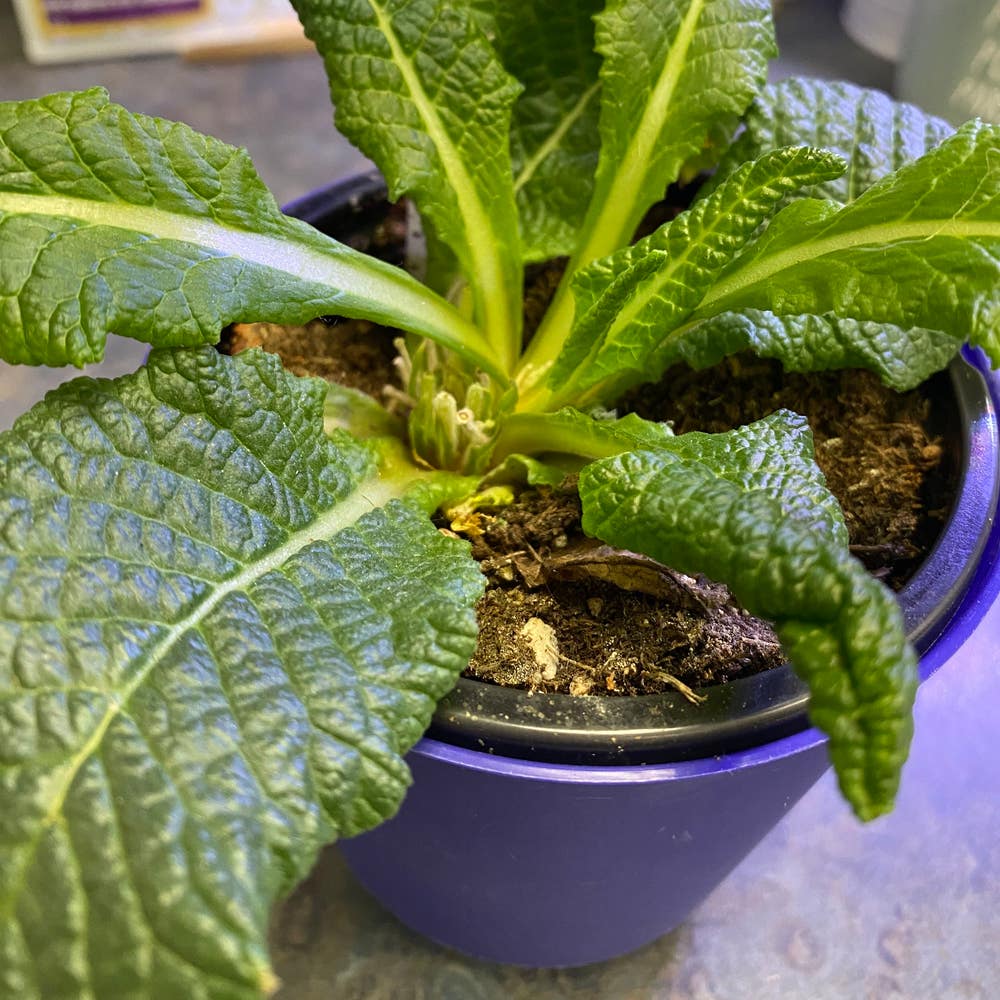
🌸 Auricula Roots 101
Primula auricula
By the Greg Editorial Team
Oct 16, 2024•5 min read
This article was created with the help of AI so we can cover more plants for you. May contain errors. See one? Report it here.
- 🌱 Auricula roots efficiently absorb nutrients with a fibrous system for optimal growth.
- 💧 Avoid overwatering to prevent root rot; consistent moisture is essential for health.
- 🌍 Transplant when rootbound to ensure healthy growth and vibrant Auricula plants.
Root System Characteristics
Type of Root System 🌱
Auricula plants boast a fibrous root system, characterized by a dense network of thin roots. This design allows for efficient nutrient and water uptake, making them well-suited for rocky, well-drained soils.
Specific Characteristics 🌍
These roots are shallow yet spread widely, which helps them capture moisture effectively. However, they are sensitive to overwatering, a crucial trait that enhances their resilience against drought and pests.
Understanding these root characteristics is essential for nurturing healthy Auricula plants. By recognizing their unique adaptations, you can better support their growth and overall vitality.
Next, let’s explore the root depth and spread to further appreciate how these plants thrive in their environments.
Root Depth and Spread
Typical Depth and Spread 🌱
Auricula roots typically reach an average depth of 6-12 inches (15-30 cm). They can spread impressively, extending up to 24 inches (60 cm) in diameter.
Growth Patterns 🌍
These roots tend to grow horizontally rather than plunging deep into the soil. This growth pattern is largely influenced by soil conditions and the availability of moisture, allowing them to efficiently gather nutrients.
Understanding these characteristics is essential for nurturing healthy Auricula plants. With the right care, you can ensure their roots thrive, setting the stage for vibrant growth and resilience.
Watering, Fertilizing, and Transplanting
Watering Needs 🌊
Auricula roots thrive with consistent moisture, but be cautious—overwatering can lead to root rot. Aim to water every 5-7 days during the growing season to keep those shallow roots happy and healthy.
Fertilization Techniques 🌱
To give your Auricula a nutrient boost, use a balanced, water-soluble fertilizer every 4-6 weeks while they’re actively growing. As winter approaches, dial back the frequency to allow the plants to rest.
Transplanting Considerations 🌍
Knowing when to transplant is key to preventing rootbound conditions. Watch for signs like roots emerging from drainage holes or stunted growth, and be ready to give your plant a new home when needed.
By mastering these watering, fertilizing, and transplanting techniques, you’ll set the stage for vibrant Auricula plants that flourish in your care. Next, let’s dive into common root issues and how to tackle them effectively.
Common Root Issues
Identifying Problems 🌱
Root health is critical for Auricula plants. Watch for symptoms of root rot, such as yellowing leaves and wilting, which indicate that your plant is struggling.
Pests can also wreak havoc on roots. Root aphids and nematodes are common culprits that can compromise your plant's health.
Prevention and Solutions 🛡️
To keep your Auricula thriving, ensure you have well-draining soil. This is essential for preventing root rot and promoting healthy growth.
Regularly inspect the roots for pests. If you spot any, don't hesitate to use organic pesticides to manage the problem effectively.
By staying vigilant and proactive, you can maintain the health of your Auricula roots and enjoy a flourishing plant.
Next, we’ll explore how to recognize root health indicators that signal your plant's overall condition.
Root Health Indicators
Visual Cues 🌱
Healthy roots are a gardener's best friend. Look for roots that are firm and exhibit a white or light tan color, signaling vitality and strength.
In contrast, unhealthy roots often present a dark, mushy texture and may emit a foul smell. These signs indicate decay and require immediate attention.
Other Indicators 🔍
Beyond the roots themselves, the overall vigor of the plant can reveal root health. A robust plant with vibrant leaf color typically indicates a thriving root system.
Conversely, if the leaves appear dull or discolored, it may be time to investigate the roots further. Keeping an eye on these indicators can help you maintain a healthy Auricula plant.
Understanding these root health indicators is essential for effective plant care. By recognizing the signs of both healthy and unhealthy roots, you can take proactive steps to ensure your Auricula thrives.
Recognizing Rootbound Conditions
Definition and Signs 🌱
Rootbound conditions occur when roots grow in a tight circle, limiting the plant's growth potential. You can spot this issue if roots start emerging from drainage holes or if the plant shows signs of stunted growth.
Addressing Rootbound Conditions 🛠️
The best way to tackle rootbound conditions is to transplant the plant into a larger pot.
- Loosen the Root Ball: Gently separate the roots to encourage new growth.
- Use Fresh Soil: Opt for well-draining soil to promote healthy root development.
By addressing rootbound conditions promptly, you can help your Auricula thrive and flourish. Understanding these signs and solutions is crucial for maintaining robust root health, setting the stage for successful propagation and overall plant vitality.
Importance of Root Health in Propagation
🌱 Role in Propagation
Healthy roots are the backbone of successful propagation. They not only anchor the plant but also absorb nutrients and water, supporting new growth.
✂️ Techniques for Division
The best time to divide Auricula roots is early spring or fall. This timing ensures that the plant can recover quickly and thrive in its new environment.
Steps for Division
- Prepare the Area: Choose a clean workspace and gather your tools.
- Remove the Plant: Gently take the plant out of its pot, being careful not to damage the roots.
- Separate the Root Ball: Use your hands or a clean knife to divide the root ball into sections.
- Replant Immediately: Place each section into fresh, well-draining soil to encourage healthy growth.
By following these techniques, you can ensure that your Auricula plants not only survive but flourish. Healthy roots lead to vibrant plants, making propagation a rewarding endeavor.
Understanding the importance of root health sets the stage for tackling common root issues, which we'll explore next.
⚠️ Safety First
This content is for general information and may contain errors, omissions, or outdated details. It is not medical, veterinary advice, or an endorsement of therapeutic claims.
Always consult a qualified healthcare professional before using any plant as food, medicine, or supplement.
Never eat any plant (or feed one to pets) without confirming its identity with at least two trusted sources.
If you suspect poisoning, call Poison Control (800) 222-1222, the Pet Poison Helpline (800) 213-6680, or your local emergency service immediately.
Spotted an error? Please report it here.
Unlock the secret to thriving Auricula roots 🌿 with Greg's tailored watering reminders and expert care tips that keep your plants flourishing!