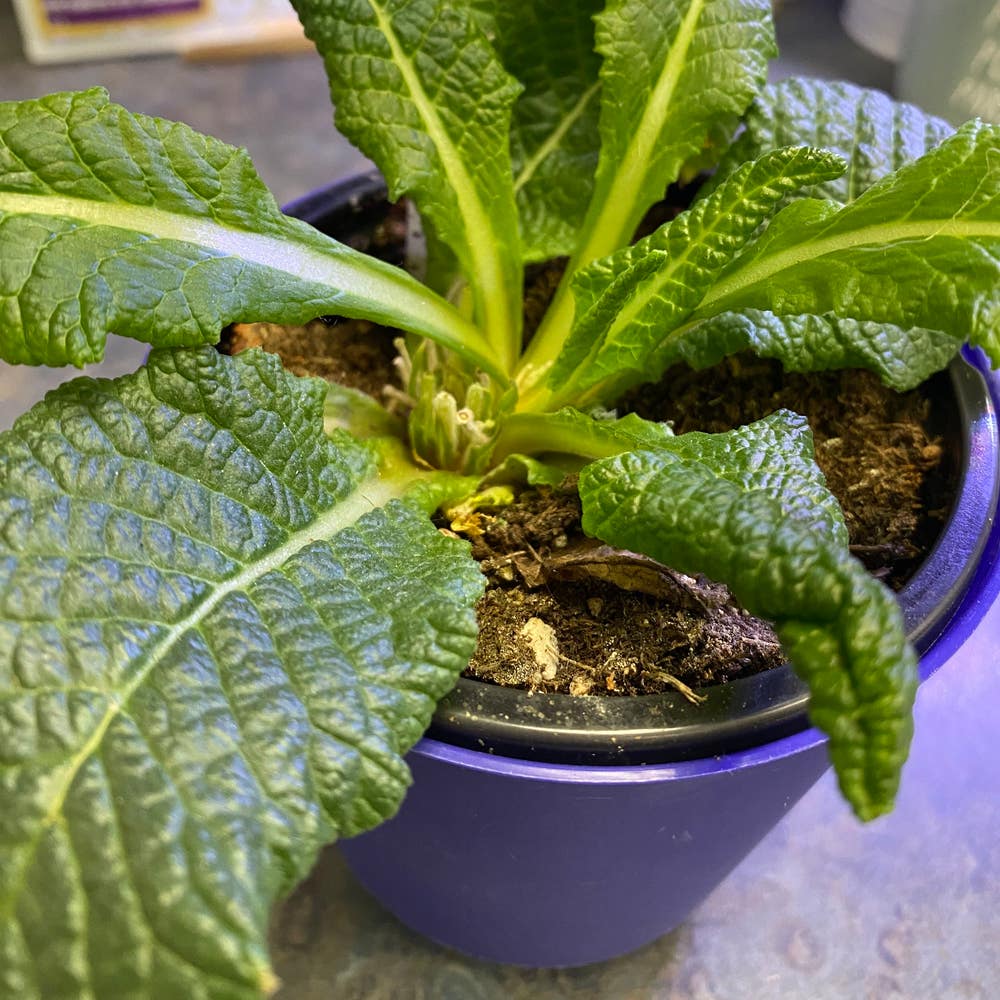
🍃 How to Fix Curling Leaves on Your Auricula
Primula auricula
By the Greg Editorial Team
Oct 16, 2024•4 min read
This article was created with the help of AI so we can cover more plants for you. May contain errors. See one? Report it here.
- 💧 Water every 1-2 weeks; adjust based on soil moisture to prevent curling leaves.
- 🌞 Bright, indirect sunlight is essential; insufficient light causes stretching and pale leaves.
- 🐛 Regularly check for pests and diseases; use neem oil and fungicides for treatment.
Diagnosing the Problem
Assessing Watering Practices 🌊
Watering your Auricula is crucial for its health. Aim to water every 1-2 weeks, adjusting based on the soil's moisture level.
Overwatering can lead to yellowing leaves and mushy stems. In contrast, underwatering results in dry, crispy leaves and soil that pulls away from the pot edges.
Checking for Pests and Diseases 🐛
Inspect the leaves regularly for pests like aphids and slugs, as well as signs of fungal infections. If you spot any, neem oil is effective for pests, while fungicides can tackle diseases.
Evaluating Light Exposure and Temperature ☀️
Auriculas thrive in bright, indirect sunlight. If you notice stretching stems or pale leaves, your plant may not be getting enough light.
Temperature is also key; ensure it stays within the preferred range for optimal growth. Keeping an eye on these factors will help you maintain a healthy Auricula.
With a solid diagnosis in place, you're ready to explore solutions for curling leaves.
Solutions for Curling Leaves
🌊 Adjusting Watering Techniques
To tackle curling leaves, start by testing the soil moisture. You can use a moisture meter or simply stick your finger into the soil to gauge its dampness.
Next, ensure your watering method is effective. Water thoroughly until you see it draining from the bottom of the pot, allowing the roots to absorb what they need.
Finally, adjust your watering frequency based on the moisture readings. If the soil is consistently dry, increase your watering; if it’s too wet, cut back.
🐛 Treating Pests and Diseases
Identifying pests or diseases is crucial for healthy Auricula. Use a magnifying glass to spot tiny pests like aphids or signs of fungal infections.
Once identified, apply neem oil or insecticidal soap as needed. These treatments are effective and generally safe for your plant.
Don’t forget to monitor for re-infestation. Check weekly for any new signs of pests to keep your plant thriving.
🌞 Modifying Light and Temperature Conditions
If your Auricula is struggling, consider relocating it. Move your plant to a spot with bright, indirect light to promote healthy growth.
Temperature control is also essential. Use fans or shade cloths to manage heat, especially during warmer months.
Lastly, humidity management can make a big difference. Use a humidity tray or mist the leaves to maintain optimal moisture levels around your plant.
By implementing these solutions, you can help your Auricula recover from curling leaves and thrive in its environment. Next, let’s explore some preventative measures to keep your plant healthy year-round.
Preventative Measures
Best Practices for Auricula Care 🌱
To keep your Auricula thriving, start with the right soil. Aim for well-draining, rocky soil with a pH between 6.0 and 7.0 to ensure optimal growth.
Fertilization is also key. Use a balanced fertilizer every 4-6 weeks during the growing season to provide essential nutrients.
Seasonal Care Tips to Prevent Leaf Curl 🌦️
Spring is the perfect time to monitor for pests. As new growth appears, keep an eye out for any unwanted visitors.
In summer, provide shade during heat waves. This helps prevent stress on the plant and keeps those leaves healthy.
As fall approaches, reduce watering as growth slows. This adjustment helps the plant prepare for dormancy.
Winter care is crucial. Protect your Auricula from frost and extreme cold to ensure it survives until spring.
Soil and Fertilization Recommendations 🧑🌾
For the ideal soil mix, combine potting soil with perlite. This enhances drainage and keeps the roots happy.
When it comes to fertilizer, consider using slow-release granules or liquid feed. Both options can effectively nourish your plant over time.
By following these preventative measures, you can maintain the health of your Auricula and minimize the risk of curling leaves. Next, let’s explore how to monitor and maintain your plant for long-term success.
Monitoring and Maintenance
Regular Checks for Leaf Health 🌿
To keep your Auricula thriving, conduct weekly inspections. Look for signs of curling or discoloration, as these can indicate underlying issues.
Record keeping is essential. Note any changes in leaf appearance or growth patterns to track your plant's health over time.
Signs of Recovery from Leaf Curl 🌱
When your Auricula begins to recover, you'll notice new growth. Healthy, uncurled leaves emerging is a great sign that your care is paying off.
Improved color is another indicator. Vibrant green leaves returning signal that your plant is back on track.
Long-Term Care Strategies for Auricula 🛠️
Establish a consistent watering schedule. Adjust it based on seasonal changes to meet your plant's needs.
Regular pest checks are crucial. Conduct monthly inspections to catch any issues early before they escalate.
Finally, consider annual repotting. Refreshing the soil and checking root health every 1-2 years will keep your Auricula in optimal condition.
By following these monitoring and maintenance tips, you'll ensure your Auricula remains healthy and vibrant. Next, let’s explore preventative measures to keep those curling leaves at bay!
⚠️ Safety First
This content is for general information and may contain errors, omissions, or outdated details. It is not medical, veterinary advice, or an endorsement of therapeutic claims.
Always consult a qualified healthcare professional before using any plant as food, medicine, or supplement.
Never eat any plant (or feed one to pets) without confirming its identity with at least two trusted sources.
If you suspect poisoning, call Poison Control (800) 222-1222, the Pet Poison Helpline (800) 213-6680, or your local emergency service immediately.
Spotted an error? Please report it here.
Keep your Auricula thriving 🌱 by using Greg's tailored watering reminders and pest alerts to prevent curling leaves and ensure vibrant growth!