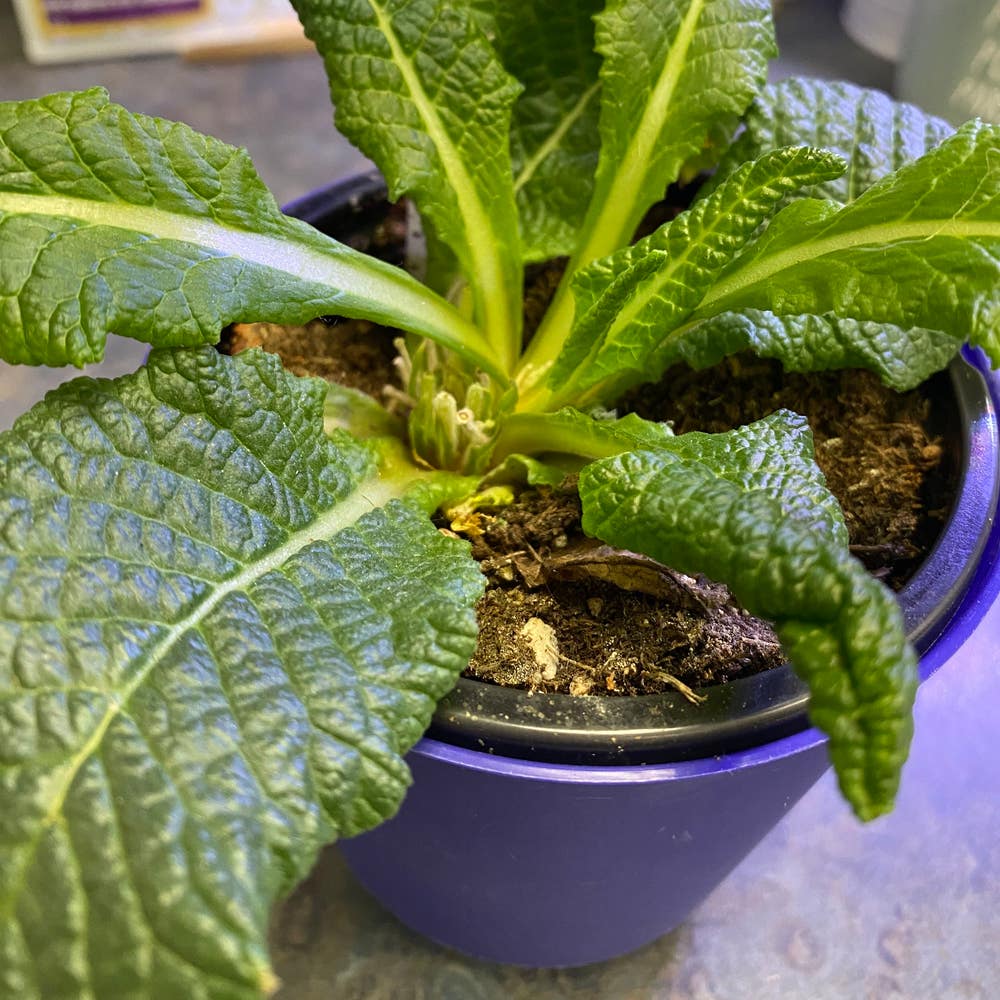
When to Repot Auricula 🪴
Primula auricula
By the Greg Editorial Team
Oct 16, 2024•5 min read
This article was created with the help of AI so we can cover more plants for you. May contain errors. See one? Report it here.
- 🌱 Choose the right pot: Opt for terracotta, plastic, or ceramic based on needs.
- 🕒 Repot when roots are cramped: Select a pot 1-2 inches larger for healthy growth.
- 🚫 Prevent root rot: Ensure pots have drainage holes and use well-draining soil.
Choosing the Right Pot
🏺 Best materials for pots
When selecting a pot for your Auricula, the material plays a crucial role in its health.
Terracotta
Terracotta pots are fantastic for drainage and allow the soil to breathe. However, they can dry out quickly, meaning you’ll need to water more frequently.
Plastic
Plastic pots are lightweight and retain moisture longer, making them a convenient choice. Just ensure they have adequate drainage holes to avoid waterlogging.
Ceramic
Ceramic pots offer aesthetic appeal and good insulation for your plant. On the downside, they can be heavy and may retain too much moisture, which can lead to root issues.
📏 Size considerations for pots
Choosing the right size pot is essential for your Auricula's growth.
The ideal pot should be 1-2 inches larger in diameter than the current one.
Shallow pots are preferred due to Auricula's root system, which doesn’t require deep soil.
Lastly, ensure your pot has drainage holes; this is vital to prevent root rot and keep your plant thriving.
With the right pot in hand, you're one step closer to a healthy Auricula!
Repotting Process
Step-by-step guide to repotting Auricula 🌱
Repotting your Auricula can seem daunting, but it’s a straightforward process. Follow these steps for a successful transition.
- Prepare the new pot: Ensure it has drainage holes and is clean to prevent any contamination.
- Remove the Auricula from its current pot: Gently loosen the soil around the edges to avoid damaging the roots.
- Inspect the roots: Look for healthy roots and trim any that are damaged or dead to promote better growth.
- Add soil to the new pot: Fill it with a well-draining soil mix suitable for Auricula to ensure proper moisture levels.
- Position the plant: Place the Auricula in the center and fill in with soil, making sure it’s stable.
- Water thoroughly: Ensure the soil is moist but not waterlogged to help the plant settle in.
Handling roots during repotting 👐
Gentle handling is crucial during repotting. Avoid pulling on the roots; instead, use a tool to loosen the soil around them.
When trimming, always use sterilized scissors to cut away any damaged roots. This practice helps maintain root health and minimizes shock.
Importance of soil selection for repotting 🧑🌾
Choosing the right soil is vital for your Auricula's health. Opt for a well-draining, rocky soil mix to prevent water retention.
Recommended components include perlite, sand, and peat moss for optimal aeration. Avoid heavy soils, as they can lead to root rot and other issues.
With these steps and considerations, your Auricula will thrive in its new pot. Next, let’s explore how to care for your plant after repotting.
Post-Repotting Care
💧 Watering after repotting Auricula
After repotting, it's crucial to water your Auricula correctly. Start with a light watering to settle the soil, ensuring it’s moist but not saturated.
For ongoing care, allow the top inch of soil to dry out before re-watering. This helps prevent overwatering, which can lead to root rot.
To keep track of moisture levels, consider using a moisture meter. This tool can help you gauge when your plant truly needs water.
☀️ Light requirements post-repotting
Light plays a vital role in your Auricula's recovery. Aim for bright, indirect sunlight to help it adjust without stress.
Avoid direct sunlight during this period to prevent leaf scorch. Your plant is vulnerable right after repotting, and too much sun can be harmful.
Gradually reintroduce your Auricula to brighter light over the course of a week. This slow transition helps it acclimate without shock.
With proper watering and light, your Auricula will thrive in its new pot. Next, let’s explore common issues that may arise during this process and how to tackle them effectively.
Common Issues and Solutions
🌱 Problems Related to Repotting Auricula
Repotting Auricula can lead to a few common issues that every gardener should be aware of.
Root Rot is a significant concern, often indicated by mushy roots and a foul odor. This condition arises when the plant sits in overly wet soil, leading to decay.
Transplant Shock is another issue, manifesting as wilting and yellowing leaves. This shock occurs when the plant struggles to adapt to its new environment.
Soil Compaction can also be problematic, as it leads to poor drainage and negatively impacts root health. Compacted soil restricts airflow and moisture, making it hard for the plant to thrive.
🚨 Addressing Root Rot in Repotted Auricula
If you suspect root rot, immediate action is crucial. Start by removing the plant from its pot and inspecting the roots closely.
Trim away any affected roots with sterilized scissors, ensuring you only keep the healthy parts. After this, repot the Auricula in fresh, dry soil to give it a fighting chance.
To prevent root rot in the future, focus on proper watering practices. Always choose pots with adequate drainage to keep the roots happy and healthy.
⚠️ Signs of Transplant Shock and Recovery Tips
Recognizing the signs of transplant shock is essential for a successful recovery. Symptoms include drooping leaves and slow growth, which indicate that the plant is struggling.
To help your Auricula bounce back, maintain stable conditions in terms of light and temperature. Avoid fertilizing immediately after repotting; give it time to adjust.
Patience is key here. Allow your plant 2-4 weeks to settle in and regain its strength. With the right care, your Auricula will thrive once more.
As you navigate these challenges, remember that every plant has its own journey. Embrace the process, and your efforts will surely pay off!
⚠️ Safety First
This content is for general information and may contain errors, omissions, or outdated details. It is not medical, veterinary advice, or an endorsement of therapeutic claims.
Always consult a qualified healthcare professional before using any plant as food, medicine, or supplement.
Never eat any plant (or feed one to pets) without confirming its identity with at least two trusted sources.
If you suspect poisoning, call Poison Control (800) 222-1222, the Pet Poison Helpline (800) 213-6680, or your local emergency service immediately.
Spotted an error? Please report it here.
Repotting your Auricula is a chance for growth 🌱—let Greg guide you with tailored tips and reminders to help your plant thrive while avoiding pitfalls like root rot and transplant shock!