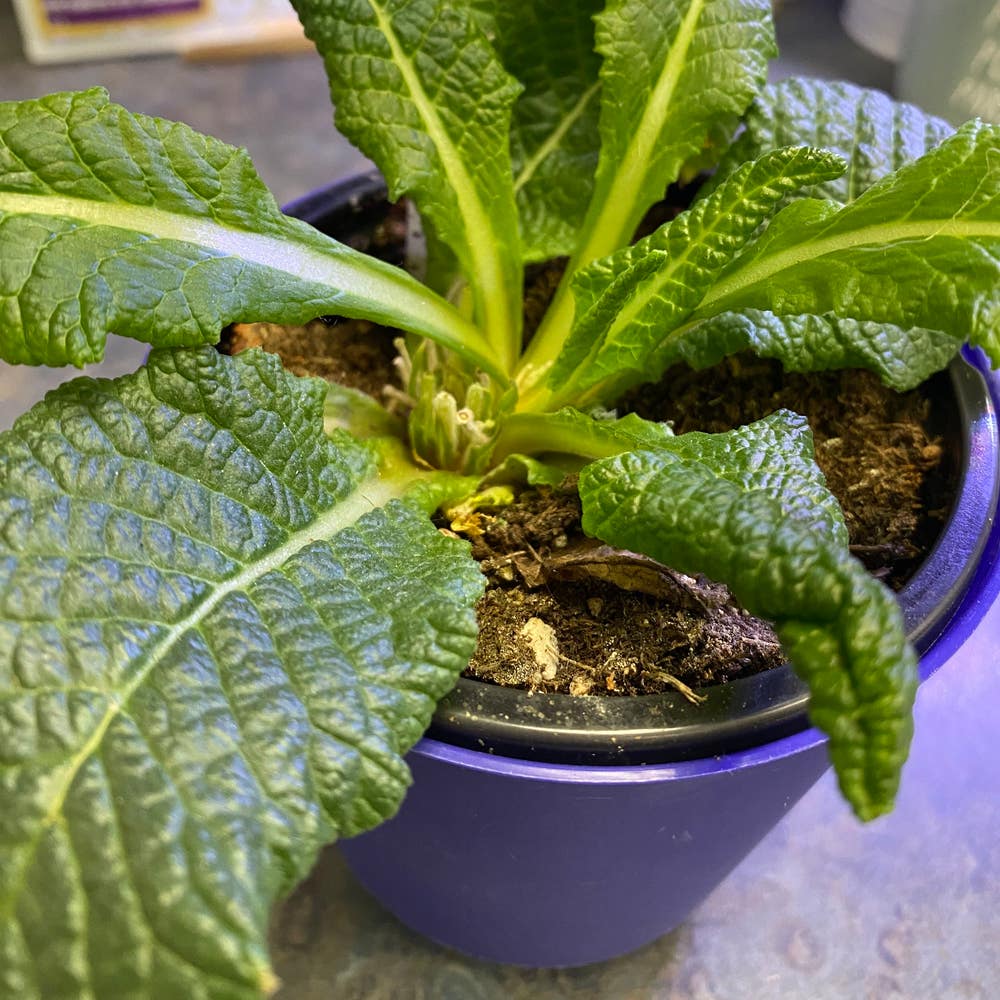
Best Temperature Conditions for Auricula ☀️
Primula auricula
By the Greg Editorial Team
Oct 16, 2024•5 min read
This article was created with the help of AI so we can cover more plants for you. May contain errors. See one? Report it here.
- 🌡️ Auricula thrives best between 10°C to 15°C (50°F to 59°F) for optimal growth.
- 🌞❄️ Temperature stress causes leaf curling and discoloration; monitor conditions closely.
- 🌿 Seasonal care adjustments are crucial for maintaining Auricula's health and vibrancy.
Temperature Stress Indicators
🌡️ Signs of Heat Stress
Heat stress can be a serious issue for Auricula plants. Look out for leaf curling and wilting, which indicate water loss and stress.
Discoloration is another telltale sign; yellowing or browning leaves suggest the plant is struggling. Additionally, you may notice reduced flowering, with fewer blooms or smaller flowers appearing.
❄️ Signs of Cold Stress
Cold stress manifests in several ways. One common indicator is leaf discoloration, where leaves may darken or develop a purpling hue.
Stunted growth is also a concern, leading to slower development and smaller rosettes. In severe cases, frost damage can occur, resulting in blackened leaf tips and edges.
⏳ Long-term Effects of Temperature Stress
Temperature stress can have lasting impacts on your Auricula's health. Compromised plant health makes them more susceptible to pests and diseases.
Moreover, prolonged stress can reduce the lifespan and vigor of the plant. You might also see long-lasting effects on flowering cycles and overall aesthetics, diminishing the beauty of your garden.
Understanding these indicators is crucial for maintaining healthy Auricula plants. By recognizing the signs of temperature stress early, you can take action to protect your plants and ensure they thrive.
Causes of Temperature Stress
🌤️ Environmental Factors
Temperature stress in Auricula can often be traced back to environmental conditions. Prolonged exposure to direct sunlight during peak hours can lead to overheating, causing the plant to struggle.
Poor air circulation can exacerbate heat retention, making it difficult for the plant to cool down. Additionally, inadequate shelter from cold winds or frost can leave Auricula vulnerable to chilling temperatures.
🍂 Seasonal Changes
Seasonal transitions also play a significant role in temperature stress. During spring and fall, temperature fluctuations can be particularly harsh, affecting the plant's stability.
The effects of winter dormancy and summer growth phases can create challenges as well. Each season brings its own set of temperature-related hurdles that need to be managed.
❌ Common Mistakes
Many gardeners unknowingly contribute to temperature stress through common mistakes. Overwatering during hot periods increases the risk of root rot, which can be detrimental to plant health.
Inadequate protection during cold snaps, such as failing to cover or move plants, can lead to severe damage. Ignoring microclimates—areas with unique temperature conditions—can also result in planting in unsuitable locations, further stressing the plant.
Understanding these causes is crucial for maintaining the health of your Auricula. By addressing environmental factors, seasonal changes, and common mistakes, you can create a more stable growing environment for your plants.
Next, let’s explore the geographic considerations that can influence temperature management for Auricula.
Geographic Considerations
🌄 Native Habitat
Auricula, a charming flower, is native to the Alps, where it flourishes in cooler, mountainous regions. These plants thrive in temperature ranges of 10°C to 15°C (50°F to 59°F), making them well-suited for environments that mimic their natural habitat.
🌍 Best Practices for Different Climates
To ensure your auricula thrives, consider the climate in your area.
🌱 Strategies for Temperate Regions
In temperate climates, using shade cloth and mulching can help protect your plants from extreme temperatures. These methods not only regulate soil temperature but also retain moisture.
☀️ Considerations for Warmer Climates
For those in warmer areas, aim for morning sun exposure and afternoon shade. This approach helps prevent heat stress while still allowing your plants to soak up essential sunlight.
❄️ Tips for Colder Climates
If you live in a colder region, consider using cold frames and protective coverings. These tools provide the necessary warmth and shelter during harsh winter months, ensuring your auricula remains healthy.
Understanding the geographic needs of your auricula is crucial for its success. With the right practices tailored to your climate, you can cultivate vibrant blooms year-round.
Next, let’s explore seasonal temperature management strategies to keep your plants thriving through the changing seasons.
Seasonal Temperature Management
Winter Care Strategies ❄️
Protecting your auricula from frost is crucial during the colder months. Use mulch and frost cloths to shield the plants from freezing temperatures.
Adjust your watering routine as well. Reduce the frequency to prevent root rot, which can occur when the soil remains too wet in cold conditions.
Summer Care Strategies ☀️
During the summer, providing shade during peak heat is essential. Utilize shade cloth or natural shade to keep your plants cool and thriving.
Monitoring soil moisture is also important. Ensure the soil is well-drained to prevent waterlogging, which can stress your plants.
Adjusting Care Based on Seasonal Changes 🌱
Recognizing seasonal cues is key to effective plant care. Pay attention to changes in light and temperature to adjust your care routine accordingly.
Modifying fertilization and watering based on temperature trends can significantly benefit your auricula. Observing how your plants respond to seasonal shifts will help you fine-tune your approach for optimal growth.
With these strategies in mind, you can ensure your auricula remains healthy and vibrant throughout the year. Next, let’s explore the geographic considerations that can further enhance your plant care practices.
⚠️ Safety First
This content is for general information and may contain errors, omissions, or outdated details. It is not medical, veterinary advice, or an endorsement of therapeutic claims.
Always consult a qualified healthcare professional before using any plant as food, medicine, or supplement.
Never eat any plant (or feed one to pets) without confirming its identity with at least two trusted sources.
If you suspect poisoning, call Poison Control (800) 222-1222, the Pet Poison Helpline (800) 213-6680, or your local emergency service immediately.
Spotted an error? Please report it here.
Keep your Auricula thriving year-round 🌼 by using Greg's tailored care tips and reminders to maintain its perfect temperature conditions!