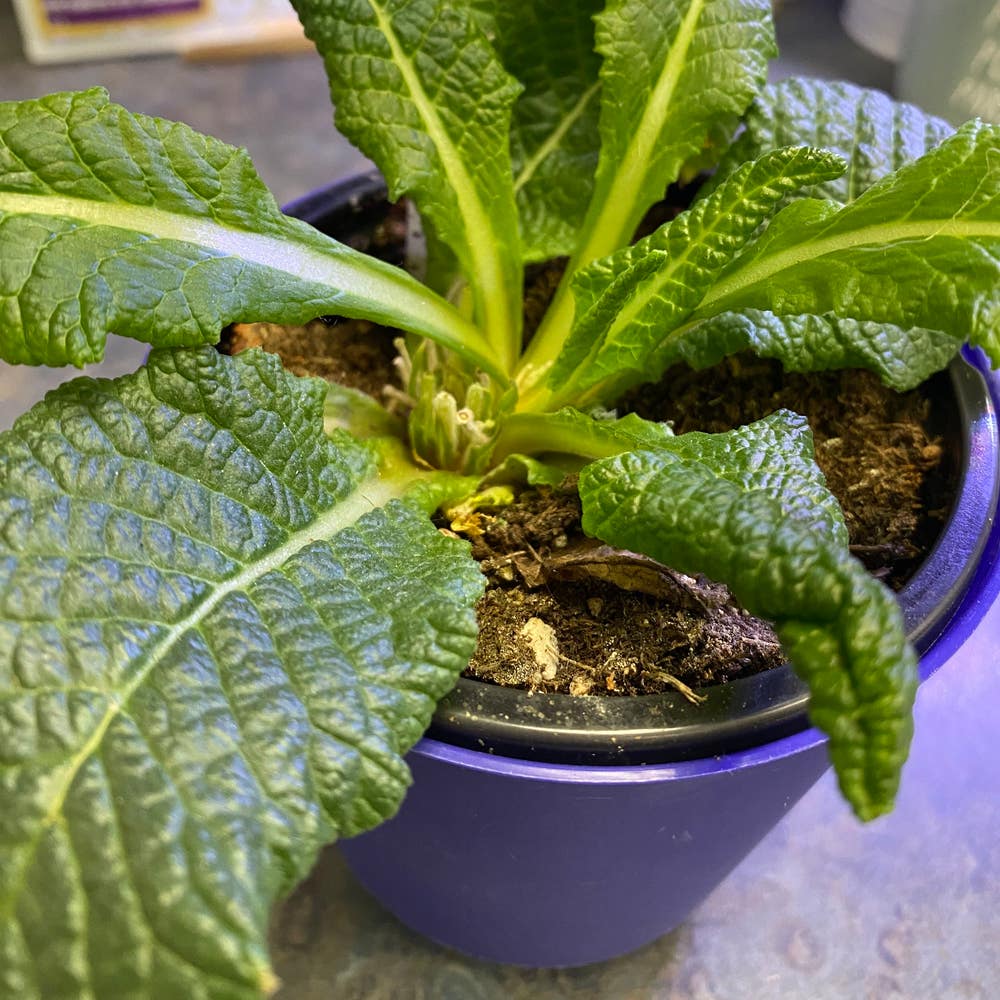
🌸 What To Do About Auricula Dying
Primula auricula
By the Greg Editorial Team
Oct 16, 2024•5 min read
This article was created with the help of AI so we can cover more plants for you. May contain errors. See one? Report it here.
- 🌱 Recognize symptoms like yellowing leaves and wilting to diagnose Auricula health issues.
- 💧 Adjust watering practices to prevent root rot or wilting from over/underwatering.
- ☀️ Ensure proper light exposure to avoid leggy growth and leaf scorching.
Recognizing Unhealthy Auricula
🧐 Symptoms
Identifying an unhealthy Auricula is crucial for its recovery. Here are the key symptoms to watch for:
💛 Yellowing Leaves
Yellowing leaves often indicate stress or a nutrient deficiency. If you notice this, it’s time to assess your plant's care routine.
🌊 Wilting or Drooping
Wilting or drooping leaves suggest issues with watering or root health. This could mean your plant is either too thirsty or has had too much water.
🦠 Fuzzy Growth
Fuzzy growth can be a sign of a fungal infection or pest presence. Keep an eye out for this, as it can escalate quickly if not addressed.
📏 Leggy Growth
Leggy growth indicates insufficient light or poor growth conditions. If your Auricula is stretching for light, it’s a clear signal to adjust its placement.
Recognizing these symptoms early can make a significant difference in your Auricula's health. By staying vigilant, you can take proactive steps to ensure your plant thrives.
Common Problems Specific to Auricula
💧 Incorrect Watering
Identifying Issues
Overwatering can lead to yellowing leaves, mushy stems, and root rot. Conversely, underwatered plants exhibit wilting, dry leaves, and crispy edges.
Causes
Overwatering often stems from poor drainage, heavy soil, or excessive rainfall. Underwatering may result from infrequent watering, dry conditions, or simple neglect.
Resolution Steps
- Check soil moisture; reduce watering if soggy.
- Gradually increase watering frequency for underwatered plants.
- Use well-draining soil to prevent future issues.
- Consider using the Greg plant care app for reminders.
💡 Incorrect Light Conditions
Identifying Issues
Inadequate light results in leggy growth, pale leaves, and slow development. On the flip side, excessive light can scorch leaves, causing browning edges and leaf drop.
Causes
Poor placement or seasonal changes often lead to inadequate light. Excessive light typically occurs from direct sunlight exposure without any shade.
Resolution Steps
- Move the plant to a brighter location if leggy.
- Provide shade if leaves are scorched.
- Monitor light conditions seasonally.
🌡️ Incorrect Temperature
Identifying Issues
Leaves wilting or dropping can indicate extreme temperature fluctuations. Slow growth or dormancy suggests unsuitable temperature ranges.
Causes
Exposure to drafts or heat sources can make conditions too hot or too cold. The ideal temperature range for Auricula is between 15°C to 20°C (59°F to 68°F).
Resolution Steps
- Relocate the plant away from drafts or heat sources.
- Use a thermometer to monitor temperature.
- Consider protective covering during extreme weather.
🐛 Pests
Common Pests
Aphids, spider mites, and mealybugs are common nuisances for Auricula.
Identification
Aphids leave sticky residue and cause curled leaves. Spider mites create fine webbing and stippled leaves, while mealybugs appear as white, cotton-like masses.
Treatment Options
- Use insecticidal soap or neem oil.
- Introduce beneficial insects like ladybugs.
- Regularly inspect for early signs of infestation.
🦠 Diseases
Common Diseases
Auricula can suffer from powdery mildew, rust, black rot, and blight.
Symptoms
Powdery mildew manifests as white, powdery spots. Rust shows orange or yellow spots on the undersides, while black rot presents dark, water-soaked areas. Blight causes rapid wilting and browning.
Treatment and Prevention
- Improve air circulation to reduce humidity.
- Apply fungicides for severe infections.
- Remove and dispose of infected material.
🌱 Root Problems
Identifying Issues
Root rot is characterized by dark, mushy roots with a foul smell. Squishy roots often indicate overwatering or poor drainage.
Causes
Overwatering leads to saturated soil, causing decay. Poor drainage can result from heavy soil or inadequate pot holes.
Resolution Steps
- Inspect roots after removing the plant from its pot.
- Trim rotten roots and repot in fresh soil.
- Adjust watering practices to prevent recurrence.
🍃 Leaf Issues
Identifying Issues
Scorching appears as brown edges and crispy leaves. Yellowing can indicate nutrient deficiency or overwatering, while fuzzy growth often signals a fungal infection.
Causes
Excessive light or heat exposure causes scorching. Yellowing usually results from an imbalance in watering or nutrients.
Resolution Steps
- Adjust light exposure and monitor watering.
- Treat fungal infections with fungicides.
- Fertilize with a balanced nutrient solution if deficiency is suspected.
🌿 Growth Problems
Identifying Issues
Leggy growth features stretched stems and sparse leaves. Etiolated growth shows long, weak stems with few leaves, while non-fruiting indicates a lack of flowers or fruit development.
Causes
Insufficient light leads to weak, stretched growth, while nutrient deficiency affects overall health.
Resolution Steps
- Gradually increase light exposure.
- Fertilize with a balanced fertilizer during the growing season.
- Prune leggy stems to encourage bushier growth.
Understanding these common problems can help you maintain a thriving Auricula. Next, let’s explore preventive measures to keep your plant healthy and vibrant.
Preventive Measures
Best Practices 🌱
To keep your Auricula thriving, start with well-draining soil and pots that have drainage holes. This simple step prevents water from pooling, which can lead to root rot.
Regularly monitor your watering and light conditions. Adjustments can make a world of difference in maintaining plant health.
Seasonal Considerations 🍂
As the seasons change, so should your care practices. For instance, reduce watering during winter when the plant's growth slows down.
Being mindful of seasonal shifts helps you cater to your Auricula's specific needs throughout the year.
Importance of Monitoring 🔍
Regular checks on your plant can catch problems early. This proactive approach ensures your Auricula remains healthy and vibrant.
By staying attentive, you can enjoy the beauty of your Auricula for years to come.
⚠️ Safety First
This content is for general information and may contain errors, omissions, or outdated details. It is not medical, veterinary advice, or an endorsement of therapeutic claims.
Always consult a qualified healthcare professional before using any plant as food, medicine, or supplement.
Never eat any plant (or feed one to pets) without confirming its identity with at least two trusted sources.
If you suspect poisoning, call Poison Control (800) 222-1222, the Pet Poison Helpline (800) 213-6680, or your local emergency service immediately.
Spotted an error? Please report it here.
Keep your Auricula thriving 🌱 by using Greg's personalized care reminders to tackle symptoms early and ensure it gets the love it needs!